
Attorney-General of the Federation and Minister of Justice, Lateef Fagbemi, SAN, has urged judges appointed to the 2027 Election Petition Tribunals to resist political pressure, intimidation and inducement, while recommending multiple tribunal panels in jurisdictions with heavy election petition caseloads to ensure timely justice.
By A1NEWS International
ABUJA, November 9, 2026 – The Federal Government has called on judicial officers appointed to handle electoral disputes arising from the 2027 general elections to uphold judicial independence, demonstrate courage and ensure that electoral justice is administered without fear, favour or political interference.
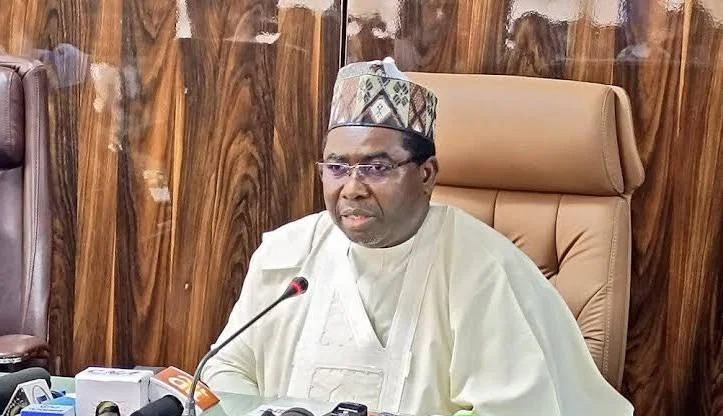
The Attorney-General of the Federation (AGF) and Minister of Justice, Lateef O. Fagbemi, SAN, made the call while delivering a goodwill message at the opening ceremony of a three-day workshop for Justices of the Court of Appeal and members of the 2027 Election Petition Tribunals in Abuja on Monday.
Fagbemi stressed that the credibility of Nigeria’s democratic institutions would depend not only on the conduct of elections but also on the independence, competence and efficiency of the judicial institutions responsible for resolving disputes arising from the electoral process.
He warned that electoral judgments carry enormous implications for national stability, public confidence and the legitimacy of elected governments, insisting that tribunal members must be guided exclusively by the Constitution, applicable electoral laws and credible evidence.
The workshop, organised under the theme “Election Tribunal as a Tool for Political Stability,” brought together senior judicial officers and legal practitioners to examine emerging developments in electoral jurisprudence and strengthen the capacity of judicial officers ahead of the 2027 general elections.
FG Warns Judges Against Political Pressure and Interference
The Attorney-General emphasised that election petition tribunals occupy a strategic position in Nigeria’s democratic architecture because they provide constitutional avenues for resolving electoral grievances peacefully.
According to him, the manner in which electoral disputes are determined often determines whether political disagreements are resolved within the framework of constitutional democracy or degenerate into uncertainty, hostility and political instability.
He therefore urged judicial officers to discharge their responsibilities with unwavering commitment to the Constitution of the Federal Republic of Nigeria, the Electoral Act and established principles of justice.
Fagbemi cautioned tribunal members against allowing public sentiment, partisan interests, media scrutiny, social media campaigns or pressure from influential individuals and organisations to influence their decisions.
He maintained that judicial independence requires judges to uphold what is lawful and just, even when their decisions are unpopular, inconvenient or subject to public criticism.
The AGF further warned against intimidation, inducement and other extraneous considerations capable of compromising the integrity of electoral adjudication.
He observed that the consequences of erroneous electoral judgments could be far-reaching, potentially leaving affected political constituencies waiting another four years for an opportunity to correct the outcome through another electoral cycle.
He consequently stressed that justice must not only be done but must also be seen to have been manifestly done.
Electoral Act 2026 Introduces Far-Reaching Reforms
A major focus of Fagbemi’s address was the Electoral Act 2026, which he described as introducing significant changes to Nigeria’s electoral framework ahead of the 2027 general elections.
He highlighted eight major areas of reform which, according to him, are designed to strengthen electoral transparency, promote internal party democracy, modernise election administration and redefine the framework for resolving electoral disputes.
The reforms identified by the Attorney-General include:
1. Mandatory Digital Membership Registers – Section 77(2)–(7)
Fagbemi explained that political parties are required to maintain comprehensive digital membership registers containing members’ personal and biometric identification details.
According to his address, the registers must be submitted to the Independent National Electoral Commission (INEC) at least 21 days before party primaries, congresses or conventions.
He noted that only registered members would be eligible to participate in the relevant party processes, while non-compliant political parties risk disqualification from presenting candidates.
2. Restriction of Judicial Intervention in Internal Party Affairs – Section 83(5)
The AGF identified provisions restricting judicial intervention in certain disputes concerning the internal affairs of political parties.
He explained that the provision seeks to limit court involvement in internal party disputes, potentially reducing unnecessary judicial interference in party administration.
3. Stringent Sanctions for Intra-Party Litigation – Section 83(6)
Fagbemi also highlighted provisions restricting interim and interlocutory injunctions in specified intra-party proceedings.
He said the legislation provides for accelerated hearings and minimum costs of ₦10 million each against litigants and their legal representatives in the circumstances described by the Act.
According to him, these provisions are intended to discourage frivolous litigation and prevent internal party disagreements from unnecessarily disrupting electoral preparations.
4. Abolition of Indirect Primaries – Sections 84(2) and 86
Another significant reform identified by the Attorney-General is the elimination of indirect primaries, with political parties restricted to direct primaries and consensus arrangements for candidate nomination.
He explained that the change is intended to broaden grassroots participation, reduce the influence of delegates and strengthen internal democracy within political parties.
5. Increased Campaign Expenditure Limits – Section 92
Fagbemi disclosed that the Electoral Act 2026 substantially increases permissible campaign expenditure limits for political candidates.
The figures he outlined include:
Presidential candidates: ₦10 billion.
Governorship candidates: ₦3 billion.
Senatorial candidates: ₦500 million.
House of Representatives candidates: ₦250 million.
State House of Assembly candidates: ₦100 million.
Area Council chairmanship candidates: ₦100 million.
He noted that the revised limits represent a significant adjustment to the financial framework governing election campaigns.
6. Increased Individual Campaign Donations – Section 92(8)
The Attorney-General also identified an increase in the maximum permissible individual campaign donation from ₦50 million to ₦500 million.
He said the adjustment could provide greater opportunities for campaign financing under the new legislative framework.
7. Mandatory Deployment of BVAS – Section 47(2)
Fagbemi highlighted the statutory recognition of the Bimodal Voter Accreditation System (BVAS) as a mandatory instrument for voter accreditation at polling units.
He explained that the provision strengthens biometric verification, reduces electoral impersonation and establishes a clearer legal basis for challenging alleged non-compliance with voter accreditation requirements.
8. Restriction of Grounds for Election Petitions – Section 138(1)
The AGF also drew attention to provisions defining the grounds upon which election results may be challenged.
According to his interpretation, the Act focuses on corrupt practices, substantial non-compliance with electoral legislation and failure to secure a majority of lawful votes.
He further observed that the omission of candidate disqualification as an express post-election ground could shift qualification-related disputes towards pre-election proceedings.
Fagbemi maintained that the ultimate impact of these reforms would depend on effective implementation by INEC, compliance by political parties and consistent judicial interpretation.
Attorney-General Calls for Multiple Election Tribunal Panels
In a significant recommendation concerning the administration of electoral justice, Fagbemi called for consideration of establishing multiple Election Petition Tribunal panels in jurisdictions expected to receive high volumes of petitions.
He observed that the number of election petitions varies considerably across jurisdictions, with some areas likely to experience heavier caseloads because of the number of constituencies and elective positions involved.
According to him, disputes arising from elections into various legislative houses could place considerable pressure on a single tribunal panel, potentially affecting the timely determination of cases.
He therefore suggested that the constitution of additional panels in high-volume jurisdictions would help distribute the workload, accelerate proceedings and ensure compliance with constitutionally prescribed timelines.
The Attorney-General stressed that such arrangements should improve efficiency without compromising the quality of judicial decisions.
FG Advocates Competent Registrars for Election Petition Tribunals
Fagbemi also identified the selection and deployment of competent court registrars as an important factor in the effective administration of election petition tribunals.
He warned that appointing registrars should not be treated as routine administrative postings, arguing that the unique demands of election petition proceedings require experienced, competent and administratively capable personnel.
He explained that tribunal effectiveness depends not only on the knowledge and diligence of judicial members but also on the efficiency of registry operations and the quality of administrative support.
According to him, inexperienced or inadequately equipped registrars could undermine the smooth conduct of proceedings, regardless of the competence of the judges.
He consequently urged the judiciary to exercise considerable care in selecting personnel responsible for supporting the tribunal system.
AGF Seeks NBA Code of Conduct for Election Lawyers
The Attorney-General called on the Nigerian Bar Association (NBA) to develop and issue clear ethical guidelines or a dedicated Code of Conduct for lawyers involved in election-related litigation.
He said the proposed guidelines should particularly address legal practitioners appearing before election petition tribunals and those involved in pre-election matters.
Fagbemi explained that the guidelines should reinforce professionalism, restraint, integrity and respect for judicial proceedings while discouraging conduct capable of undermining public confidence in the administration of electoral justice.
He maintained that courts must remain institutions for the fair and dispassionate resolution of electoral disputes rather than platforms for professional misconduct and unnecessary controversy.
The AGF’s recommendation places additional emphasis on the responsibility of legal practitioners to protect the integrity of the judicial process, especially during politically sensitive election periods.
Judicial Electoral Manual 2026 to Strengthen Consistency
Fagbemi welcomed the unveiling of the second edition of the Judicial Electoral Manual (JEM), 2026, describing it as an important milestone in the development of electoral dispute resolution in Nigeria.
He noted that although the Constitution, Electoral Act, applicable regulations, political party constitutions and binding judicial precedents remain the primary sources of law governing election adjudication, the revised manual would provide useful guidance on recurring procedural and substantive issues.
He expressed confidence that the updated publication would promote consistency in judicial decisions, improve the quality of electoral adjudication and strengthen the capacity of tribunal members to address emerging legal challenges.
The Attorney-General also commended the Chief Justice of Nigeria, Justice Kudirat M. O. Kekere-Ekun, GCON, for her commitment to continuous judicial development and institutional strengthening.
He described the quality of resource persons assembled for the workshop as particularly important, noting that election petition matters require both sound theoretical knowledge and practical experience.
According to him, practitioners who have participated directly in election petition proceedings are better positioned to provide relevant insights into the peculiarities of electoral litigation.
FG Calls for Further Electoral Reforms Ahead of 2027
The Attorney-General urged participants to use the workshop as an opportunity to identify institutional and legislative gaps requiring attention before the 2027 general elections.
He observed that previous amendments to Nigeria’s electoral laws had benefited from discussions and recommendations generated through professional engagements involving judicial officers and other stakeholders.
Fagbemi expressed hope that the deliberations would similarly produce practical recommendations capable of improving electoral administration and strengthening the framework for resolving disputes.
He encouraged participants to engage in frank discussions and develop proposals that would deliver lasting improvements to Nigeria’s electoral justice system.
He further maintained that the Federal Government remained committed to supporting initiatives that strengthen the administration of justice, deepen democratic governance and advance the rule of law.
Early Tribunal Preparations Signal Judicial Readiness
Fagbemi described the early swearing-in of judicial officers designated for the 2027 Election Petition Tribunals as evidence of the judiciary’s proactive preparations for the forthcoming general elections.
He said the development sends a strong message that Nigeria is taking steps to ensure electoral disputes are handled promptly, competently and in accordance with the law.
He urged other stakeholders to demonstrate similar commitment by making adequate and timely preparations for the elections.
The Attorney-General maintained that the success of the democratic process would require collective responsibility among the judiciary, electoral administrators, political parties, legal practitioners and other institutions.
Conclusion: Electoral Justice Must Be Protected From Political Influence
The Attorney-General’s message underscores the Federal Government’s emphasis on judicial independence, institutional preparedness and effective dispute resolution as Nigeria approaches the 2027 general elections.
His recommendations on additional tribunal panels, competent registrars and an NBA Code of Conduct for election lawyers highlight practical administrative and professional challenges that could influence the effectiveness of electoral adjudication.
However, the success of the Electoral Act 2026 reforms will ultimately depend on their implementation, compliance by political parties, effective electoral administration and consistent judicial interpretation.
With the 2027 elections approaching, the credibility of Nigeria’s democracy will be tested not only at polling units but also in courtrooms where the legality of electoral outcomes will be determined.
For the judiciary, the challenge is clear: protect the rule of law, resist political interference, deliver timely justice and preserve public confidence in the democratic process.


Leave a Reply