
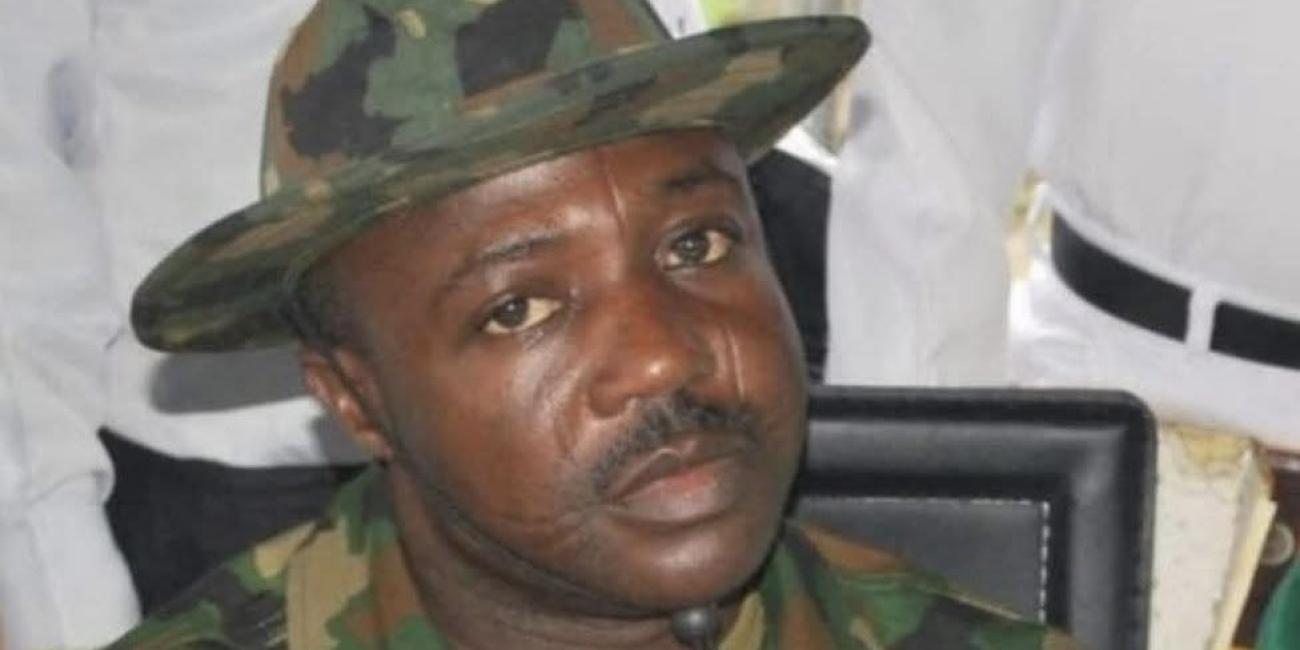
Court documents reveal accused officer’s claims of frustration over denied promotion, poor troop welfare and worsening insecurity, as Defence authorities press ahead with prosecutions over the alleged 2025 coup plot.
By A1NEWS International
ABUJA, Nigeria — July 31, 2026
Fresh revelations emerging from the ongoing prosecution of military officers accused of plotting to overthrow the administration of President Bola Ahmed Tinubu have provided an unprecedented glimpse into the alleged motivations behind what authorities describe as one of the gravest threats to Nigeria’s constitutional democracy since the return to civilian rule in 1999.
At the centre of the case is Colonel Mohammed Ma’aji, one of the principal suspects standing trial over the alleged failed coup plot. During interrogation, the senior military officer reportedly claimed that years of frustration over repeated denial of promotion, deteriorating welfare conditions within the Armed Forces and growing insecurity across Nigeria pushed him toward supporting an unconstitutional change of government.
The statements, reportedly obtained by Premium Times, have reopened debates over morale within the Nigerian military, promotion processes, troop welfare and the constitutional consequences of military involvement in politics.
It is important to note that these are allegations and statements reportedly made by the accused during investigation. The allegations remain subject to judicial determination, and no court has convicted the defendants at the time of this report.
Promotion Disappointment Allegedly Sparked Discontent
According to interrogation documents, Ma’aji told investigators that his dissatisfaction with military leadership began after he failed to secure promotion to the rank of Brigadier General, despite believing his service record merited advancement.
The Niger State-born officer reportedly said his frustrations dated back to the closing years of former President Muhammadu Buhari’s administration.
He claimed that repeated failures to gain promotion gradually eroded his confidence in the military hierarchy and contributed to his growing resentment.
According to his statement, the disappointment was compounded by concerns over worsening insecurity across Nigeria and declining welfare conditions affecting serving and retired military personnel.
‘Movement’ Allegedly Began in 2023
Investigators quoted the officer as saying discussions about a possible military intervention allegedly began in 2023.
According to his account, some officers believed Nigeria’s worsening security situation and dissatisfaction within the Armed Forces required urgent intervention.
He claimed that military intelligence agencies became aware of his activities during that period.
According to his statement, he was invited by the Defence Intelligence Agency (DIA) over allegations that politicians intended to use him to interfere with the 2023 general elections.
His mobile phone was reportedly seized for forensic examination before he was released.
“I was released with a verbal apology because there was no evidence,” the statement quoted him as saying.
A1NEWS International could not independently verify this specific claim, and no official confirmation has been issued by the Defence Intelligence Agency regarding the alleged apology.
Second Failed Promotion Allegedly Revived Coup Discussions
Ma’aji reportedly told investigators that his failure to secure promotion again in 2024 reignited conversations among associates who allegedly encouraged him to revive plans for military intervention.
According to the statement:
“When I missed my second attempt at promotion to brigadier general in 2024, some of the boys started disturbing and calling on me that we needed to revive the movement again.”
He claimed some colleagues feared his anticipated retirement would permanently end any possibility of implementing their alleged plans.
Investigators are examining whether these assertions correspond with evidence gathered from other suspects.
Alleged Sting Operation Led to Arrest
One of the most dramatic aspects of the interrogation relates to the circumstances surrounding Ma’aji’s arrest on September 29, 2025.
According to his account, he received a telephone call from the Chief of Staff to the then Chief of Army Staff, Lieutenant General Olufemi Oluyede, directing him to report to House 12, Niger Barracks.
He further alleged that General Oluyede personally called him shortly afterwards, informing him that discussions regarding his long-delayed promotion would take place.
The officer claimed he was also asked whether he had spoken with retired Major General A. Mohammed, popularly known as “Bandect.”
Believing his promotion had finally been approved, he said he travelled to the meeting “with very high morale.”
Meeting Allegedly Turned Into Arrest
According to Ma’aji’s statement, initial discussions centred on his military career and promotion prospects.
He alleged that he was questioned about:
- His service history.
- Professional performance.
- Military courses.
- Promotion eligibility.
He claimed he was assured that his promotion would soon be approved.
However, he said events changed dramatically when the Chief of Defence Intelligence, Lieutenant General Emmanuel Undiandeye, allegedly instructed him to accompany him to Defence Intelligence Agency headquarters.
According to the statement, he was told he would collect a message for retired Major General Bandect.
The accused officer further alleged that before departing, he received 1,000 US dollars from the Army Chief as welfare support.
A1NEWS International has not independently verified this allegation, and military authorities have not publicly responded to that specific claim.
Interrogation Begins at DIA Headquarters
According to Ma’aji, upon arrival at Defence Intelligence headquarters, he was escorted into the office of Brigadier General Nicholas Ashinze, Director of Operations.
There, he alleged, investigators immediately confronted him with questions regarding the alleged coup conspiracy.
He claimed he initially denied knowledge of any plot.
According to the statement, investigators informed him that another suspect, Lieutenant S.S. Felix, had already been arrested, while Lieutenant Colonel Shamsuddeen Bappah had allegedly gone into hiding.
“That was how the investigation commenced on 29 September 2025 till today,” he reportedly stated.
Appeal for Leniency
During the interrogation, Ma’aji reportedly appealed for mercy on behalf of other suspects.
According to the documents, he argued that many of those implicated had realised the consequences of their alleged actions during the investigation.
He further claimed that the alleged conspiracy was motivated not by personal ambition but by what participants believed were patriotic concerns over Nigeria’s future.
That assertion has not been tested in court.
Military Welfare Raised as Major Concern
Beyond the alleged conspiracy itself, the officer reportedly painted a troubling picture of conditions within the Nigerian Armed Forces.
According to his statement, officers and soldiers face:
- Poor remuneration.
- Inadequate accommodation.
- Declining morale.
- Economic hardship.
- Limited welfare support after retirement.
He reportedly urged military authorities to create confidential internal mechanisms through which personnel could express grievances without fear of victimisation.
Military analysts have long identified welfare, promotion transparency and operational stress as important factors affecting morale across security institutions, although they caution that such challenges cannot justify unconstitutional actions.
How the Alleged Coup Plot Unfolded
The alleged conspiracy first entered public attention in October 2025, when reports emerged that several senior military officers had been arrested over an alleged plan to overthrow President Tinubu’s government.
Subsequent investigations reportedly expanded the list of suspects to include:
- Serving military officers.
- Retired senior officers.
- Civilians.
- A police inspector.
- A Presidential Villa staff member accused of conducting reconnaissance.
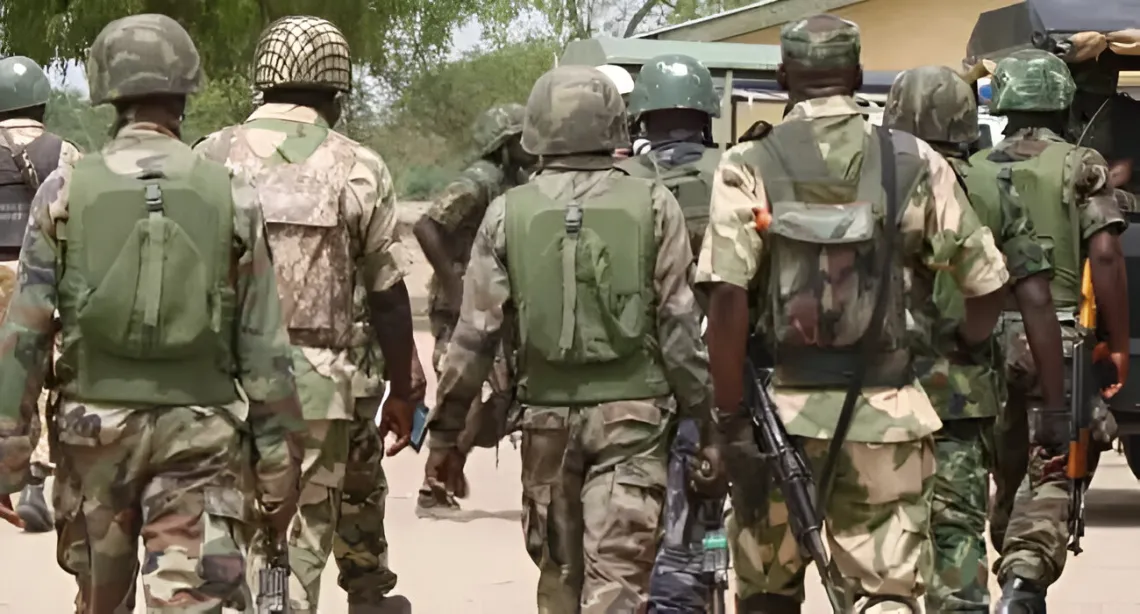
Following months of investigation, the Defence Headquarters confirmed that serving military personnel implicated in the alleged plot would face court martial, while civilians and retired officers would be prosecuted before the Federal High Court.
The alleged conspiracy also coincided with major developments within Nigeria’s military establishment, including the cancellation of the country’s October 1 Independence Day parade and a significant reshuffle of senior military appointments.
Constitutional and Security Implications
Security experts describe coup allegations as among the most serious offences under Nigeria’s constitutional order.
Since the country’s return to democracy in 1999, civilian control of the military has remained one of the pillars of democratic governance.
Analysts say any credible allegation of unconstitutional attempts to seize power demands thorough investigation, while equally stressing that accused persons retain the constitutional right to a fair trial and the presumption of innocence until proven guilty.
They also argue that concerns relating to promotion, welfare and institutional reform should be addressed through lawful military and governmental mechanisms rather than extra-constitutional actions.
The interrogation statements attributed to Colonel Mohammed Ma’aji provide a rare insight into the frustrations that he claims influenced his alleged involvement in the 2025 coup conspiracy.
Whether those claims withstand judicial scrutiny will ultimately be determined by the courts.
Beyond the criminal proceedings, however, the case has reignited broader conversations about military professionalism, troop welfare, institutional accountability and the importance of preserving Nigeria’s democratic constitutional order.
As the trials continue, the outcome is expected to shape not only the future of the accused but also public confidence in the Armed Forces and Nigeria’s commitment to civilian democratic governance.



Leave a Reply