
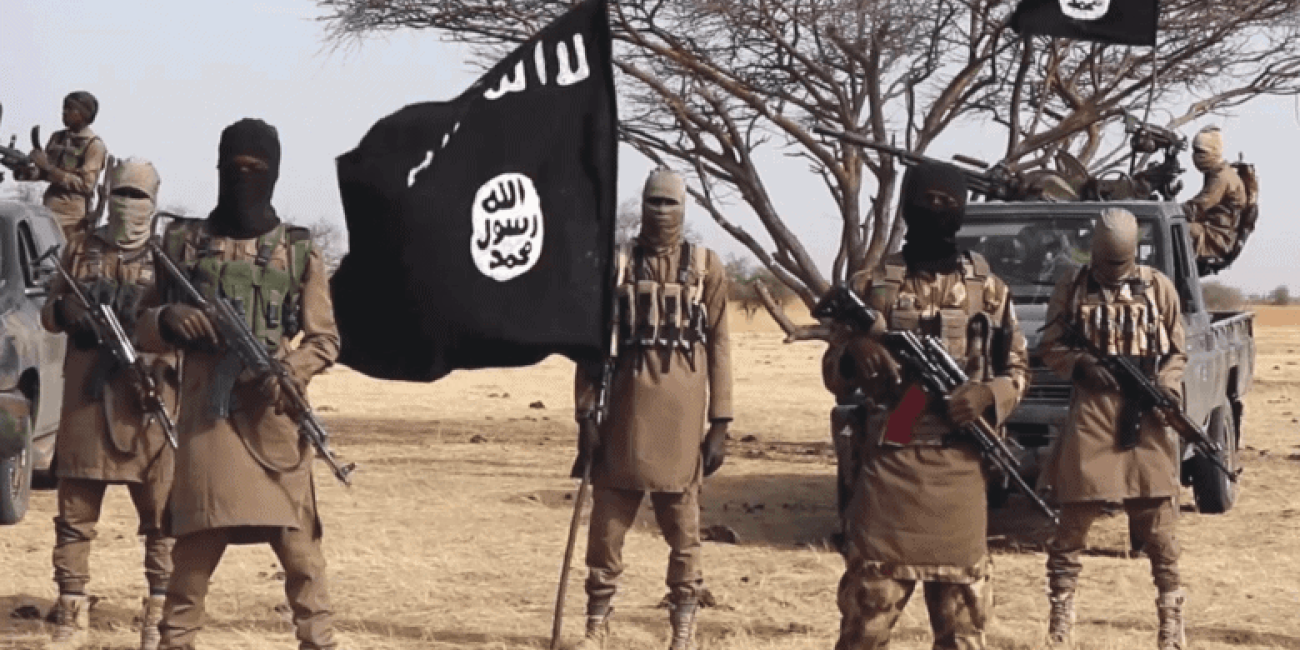
Families accuse Federal and Borno State governments of silence as abductees—including a nursing mother and infant—remain in terrorist captivity; legal and security experts warn of the dilemma over Nigeria’s no-ransom policy.
By Bukar Goni
Maiduguri, Borno State | July 30, 2026
More than three months after 13 travellers were abducted along the notorious Biu-Damaturu highway in Borno State, suspected Boko Haram insurgents have reportedly demanded that the Federal Government negotiate directly with them and pay a ransom before the captives can regain their freedom.
The development has renewed public attention on Nigeria’s prolonged insurgency in the North-East and the difficult balance between government policies against negotiating with terrorists and the desperate pleas of families whose loved ones remain in captivity.
According to relatives of the victims, the demand was conveyed during a recent telephone conversation allegedly permitted by the kidnappers, marking the first reported communication from the captives since their abduction on April 15, 2026.
While the claims have been made by family members and reported by SaharaReporters, there has been no official confirmation from the Federal Government, the Borno State Government, the military or security agencies regarding the reported demand or any negotiations.
Families Say Terrorists Want Government Negotiation
A relative of one of the abducted travellers disclosed that one of the captives was recently allowed to telephone his brother in Abuja.
During the conversation, the hostage reportedly identified himself, confirmed details surrounding the abduction and relayed the insurgents’ message that government authorities should negotiate and pay ransom for their release.
According to the family, the communication provided reassurance that at least some of the victims remain alive after more than 100 days in captivity.
The families say they immediately contacted relevant authorities following the phone call but claim they have yet to receive any official response.
106 Days in Captivity
The travellers were reportedly kidnapped on April 15, 2026, when suspected Boko Haram fighters attacked commercial vehicles travelling along the Biu-Damaturu highway, one of the roads frequently affected by insurgent activity in Borno State.
Witnesses had earlier reported that heavily armed gunmen riding motorcycles intercepted two commercial vehicles near the Kamuya axis.
While some elderly passengers and drivers were reportedly released, 13 others were allegedly forced into the Sambisa Forest area, long regarded as one of the insurgents’ operational strongholds.
Their prolonged captivity has intensified fears among relatives about deteriorating health conditions and the possibility of further violence.
Concerns Grow Over Woman and Infant in Captivity
Among those reportedly abducted is a woman whose seven-month-old baby was said to have recently been discharged from the University of Maiduguri Teaching Hospital before the journey.
According to family members, the mother pleaded with the gunmen to spare her because of the infant’s medical condition.
Relatives allege that the insurgents ignored the plea and forced both mother and child into captivity.
Reports also suggest that another abducted woman may have given birth while in captivity, although this has not been independently verified by government authorities.
Humanitarian organisations have consistently warned that pregnant women, nursing mothers and young children face heightened health risks during prolonged captivity because of limited access to healthcare, nutrition and sanitation.
Families Accuse Government of Silence
Relatives of the victims say they have repeatedly appealed to both the Federal Government and the Borno State Government for updates but claim little information has been provided regarding rescue efforts.
Several family members expressed frustration over what they describe as prolonged uncertainty.
One relative lamented that the families have been left waiting for answers while their loved ones remain in terrorist custody.
Neither the Federal Government nor the Borno State Government had publicly responded to the latest reported ransom demand as of the time of filing this report.
Allegations of Religious Targeting
Some relatives have alleged that most of the abducted passengers were Christians, claiming the insurgents selectively targeted them during the attack.
These allegations have not been independently verified by A1NEWS International, and no official investigation has publicly confirmed whether religion influenced the selection of victims.
Security analysts caution that such claims require careful verification because insurgent groups have historically targeted civilians for multiple reasons, including geography, perceived government affiliation and opportunities for ransom.
Nigeria’s No-Ransom Policy Faces Fresh Test
The reported demand places renewed attention on Nigeria’s longstanding policy against negotiating with terrorist organisations.
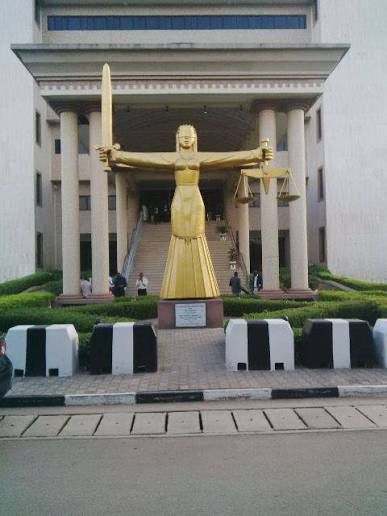
Under the Terrorism (Prevention and Prohibition) Act, 2022, the payment of ransom to terrorists or kidnappers is prohibited and may attract significant criminal penalties.
Successive Nigerian governments have maintained that paying ransom encourages further kidnappings, strengthens terrorist financing and undermines national security.
However, families of abducted persons often argue that prolonged government refusal to negotiate leaves innocent civilians trapped in life-threatening situations with limited hope of rescue.
The issue remains one of Nigeria’s most difficult security and humanitarian dilemmas.
Security Challenges Persist Along Biu-Damaturu Highway
The Biu-Damaturu road has for years remained one of the North-East’s most dangerous transport corridors.
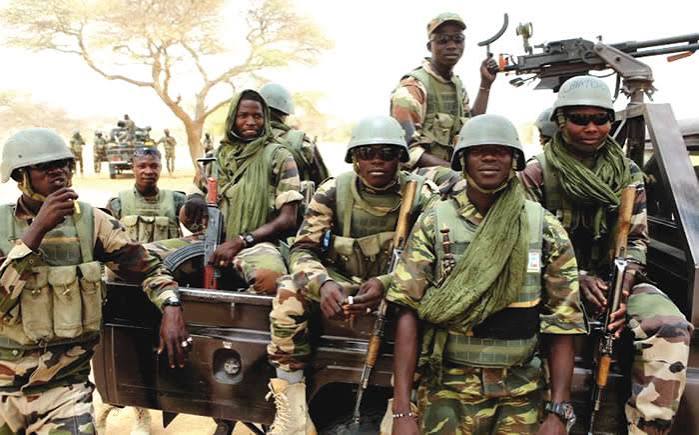
Despite sustained military offensives against Boko Haram and the Islamic State West Africa Province (ISWAP), insurgent attacks, ambushes and kidnappings continue to occur in parts of Borno State.
Security experts attribute the persistence of attacks to difficult terrain, forested hideouts and the ability of armed groups to launch surprise assaults before retreating into remote areas.
Travellers are frequently advised to monitor security advisories and, where possible, travel under military escort in high-risk locations.
Humanitarian Cost of Nigeria’s Insurgency
Beyond the military campaign against insurgents, the latest incident highlights the continuing humanitarian consequences of the North-East conflict.
Thousands of families have experienced displacement, loss of livelihoods and prolonged psychological trauma resulting from kidnappings and insurgent violence.
Experts say prolonged hostage situations often leave survivors with lasting emotional, physical and financial challenges, even after eventual release.
They argue that stronger intelligence gathering, improved highway security, victim support programmes and sustained counterterrorism operations remain essential to reducing future abductions.
The reported demand by suspected Boko Haram insurgents for government negotiations and ransom payments underscores the complex security and humanitarian challenges confronting Nigeria’s counterterrorism efforts. While the Federal Government has consistently rejected ransom negotiations as a matter of policy and law, families of the 13 abducted travellers continue to plead for decisive action to secure the safe return of their loved ones.
As the captives enter their 106th day in detention, the incident raises difficult questions about civilian protection, highway security, hostage recovery strategies and the balance between national security policy and humanitarian obligations. Until official authorities provide further information, the fate of the abducted travellers remains uncertain.








Leave a Reply