
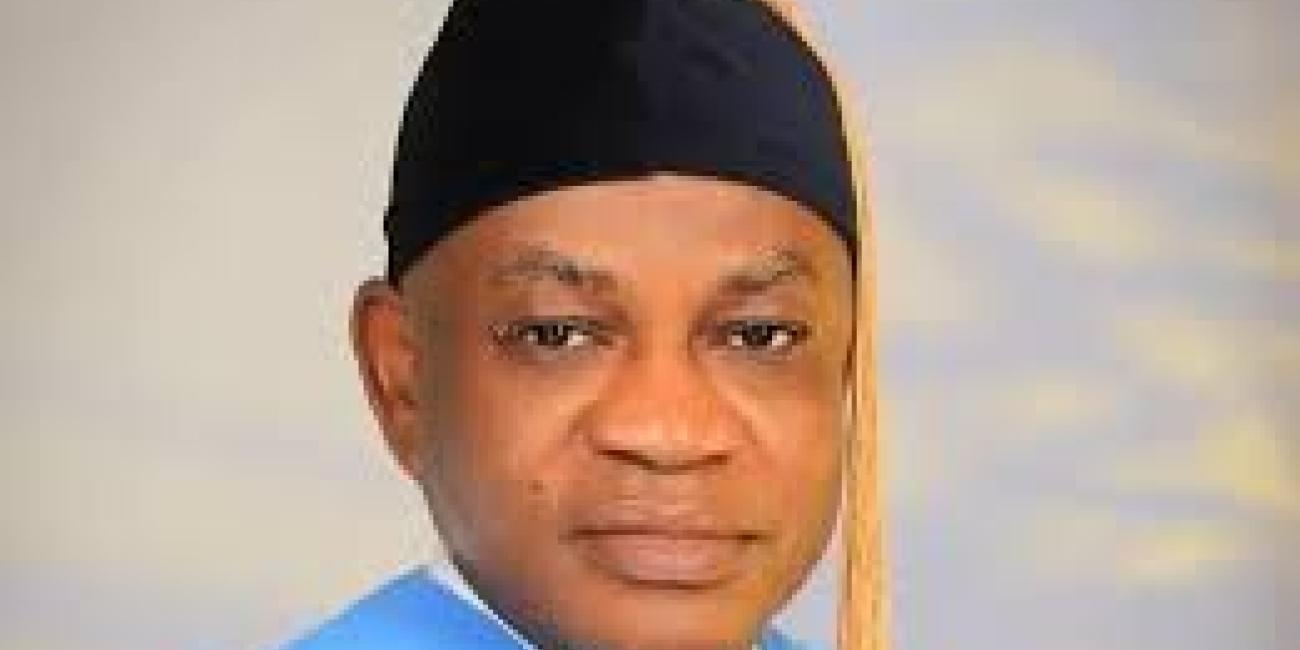
The Federal Ministry of Education has nullified the controversial appointment of 24 personal aides by the Vice-Chancellor of the Federal University of Technology, Owerri (FUTO), Prof. Ikechukwu Dozie, describing the exercise as irregular and inconsistent with regulations governing Nigeria’s federal university system. The Vice-Chancellor has also been summoned to Abuja to explain the appointments.
By Nneka Nwakama – June 27, 2026
OWERRI, Imo State – The Federal Ministry of Education has intervened in a growing administrative controversy at the Federal University of Technology, Owerri (FUTO), directing the immediate withdrawal of the appointment of 24 personal aides made by the institution’s Vice-Chancellor, Professor Ikechukwu Dozie.
The ministry described the appointments as irregular, alleging that they violated established regulations, due process and administrative procedures guiding appointments within Nigeria’s federal university system.
In a further indication of the seriousness attached to the matter, the Ministry has summoned the Vice-Chancellor to Abuja for a high-level meeting with senior officials on Monday, June 29, 2026, where he is expected to account for the circumstances surrounding the appointments.
The development has sparked fresh debate over governance, accountability and compliance with extant regulations in Nigeria’s tertiary education sector.
Ministry Orders Immediate Withdrawal of Appointments
Documents obtained by A1NEWS International show that the Federal Ministry of Education acted swiftly after becoming aware of a memorandum authorising the appointment of 24 aides in various capacities within the Office of the Vice-Chancellor.
In a directive signed by the Acting Director of University Education, Dr. Kareem Olalekan, on behalf of the Minister of Education, Dr. Tunji Alausa, the Ministry ordered that the appointments be withdrawn immediately.
According to the Ministry, the appointments failed to comply with existing regulations governing personnel administration in federal universities.
The letter stated that after reviewing the memorandum and the circumstances surrounding the appointments, the Honourable Minister concluded that the exercise was inconsistent with established procedures and principles of due process.
The Ministry further instructed the university to provide documentary evidence confirming compliance with its directive without delay.
FUTO Implements Immediate Reversal
Following the Ministry’s directive, the management of FUTO formally announced the withdrawal of all 24 appointments.
In an official circular dated June 24, 2026, addressed to members of the university community, the Registrar, Mr. Chiedozie Uba, confirmed that the earlier appointments had been rescinded with immediate effect.
The circular referenced an earlier memorandum issued on June 22 and informed staff and stakeholders that the appointments communicated therein were no longer valid.
The reversal effectively restores the status quo pending further directives from the Federal Ministry of Education.
Vice-Chancellor Summoned to Abuja
Beyond reversing the appointments, the Ministry has directed Professor Dozie to appear before senior officials in Abuja on Monday, June 29.
Sources familiar with the matter indicate that the meeting will focus on:
- The legal basis for the appointments;
- Compliance with extant regulations;
- Administrative procedures followed;
- Internal approval processes adopted by the university;
- Measures to prevent similar occurrences.
Although the Ministry has yet to publicly disclose possible sanctions, education stakeholders believe the meeting could shape subsequent administrative decisions regarding the controversy.
Why the Appointments Generated Concern
The appointment of 24 personal aides within the Office of the Vice-Chancellor immediately attracted attention across the university community and the wider education sector.
Higher education governance experts note that appointments within federal universities are generally expected to comply with statutory regulations, approved organisational structures, governing council policies and public service guidelines.
The Ministry’s intervention suggests concerns that these procedures may not have been fully observed.
The controversy has renewed discussions on transparency, institutional governance and administrative accountability within publicly funded tertiary institutions.
Federal Universities Under Increasing Regulatory Scrutiny
The latest development reflects the Federal Ministry of Education’s increasing emphasis on enforcing compliance across Nigeria’s federal universities.
In recent years, the Ministry has strengthened oversight of university administration, particularly in areas relating to appointments, financial management, procurement, governance and adherence to extant regulations.
Education policy analysts argue that strict observance of due process remains essential to maintaining institutional credibility and protecting public confidence in higher education governance.
They note that decisions affecting staffing and administration must be guided by transparency, fairness and existing legal frameworks.
Stakeholders Await Outcome of Abuja Meeting
Attention is now focused on the scheduled meeting between the Vice-Chancellor and officials of the Federal Ministry of Education.
The outcome could provide greater clarity on:
- Whether additional administrative actions will follow;
- Whether institutional procedures require review;
- Whether existing regulations governing university appointments need further clarification.
Observers say the meeting may also establish an important precedent for governance standards across Nigeria’s federal university system.
Broader Governance Questions
The controversy has reignited broader conversations about the balance between administrative discretion and regulatory compliance within tertiary institutions.
Governance experts argue that while university administrators require sufficient authority to manage their institutions effectively, such powers must always operate within the limits prescribed by law and established public service procedures.
They maintain that effective oversight strengthens institutional autonomy rather than undermining it by promoting accountability and public trust.
The Federal Ministry of Education’s decision to halt the appointment of 24 aides by the Vice-Chancellor of FUTO underscores the government’s determination to enforce due process within Nigeria’s federal university system.
As Professor Ikechukwu Dozie prepares to appear before ministry officials in Abuja, the education sector will closely monitor the outcome of the engagement and any policy implications arising from it.
Beyond the immediate controversy, the episode serves as a reminder that transparency, accountability and adherence to statutory regulations remain fundamental pillars of effective university administration.
Whether the matter ends with administrative clarification or results in broader institutional reforms, stakeholders agree that compliance with established governance procedures is essential to safeguarding the integrity and credibility of Nigeria’s higher education system.








Leave a Reply