
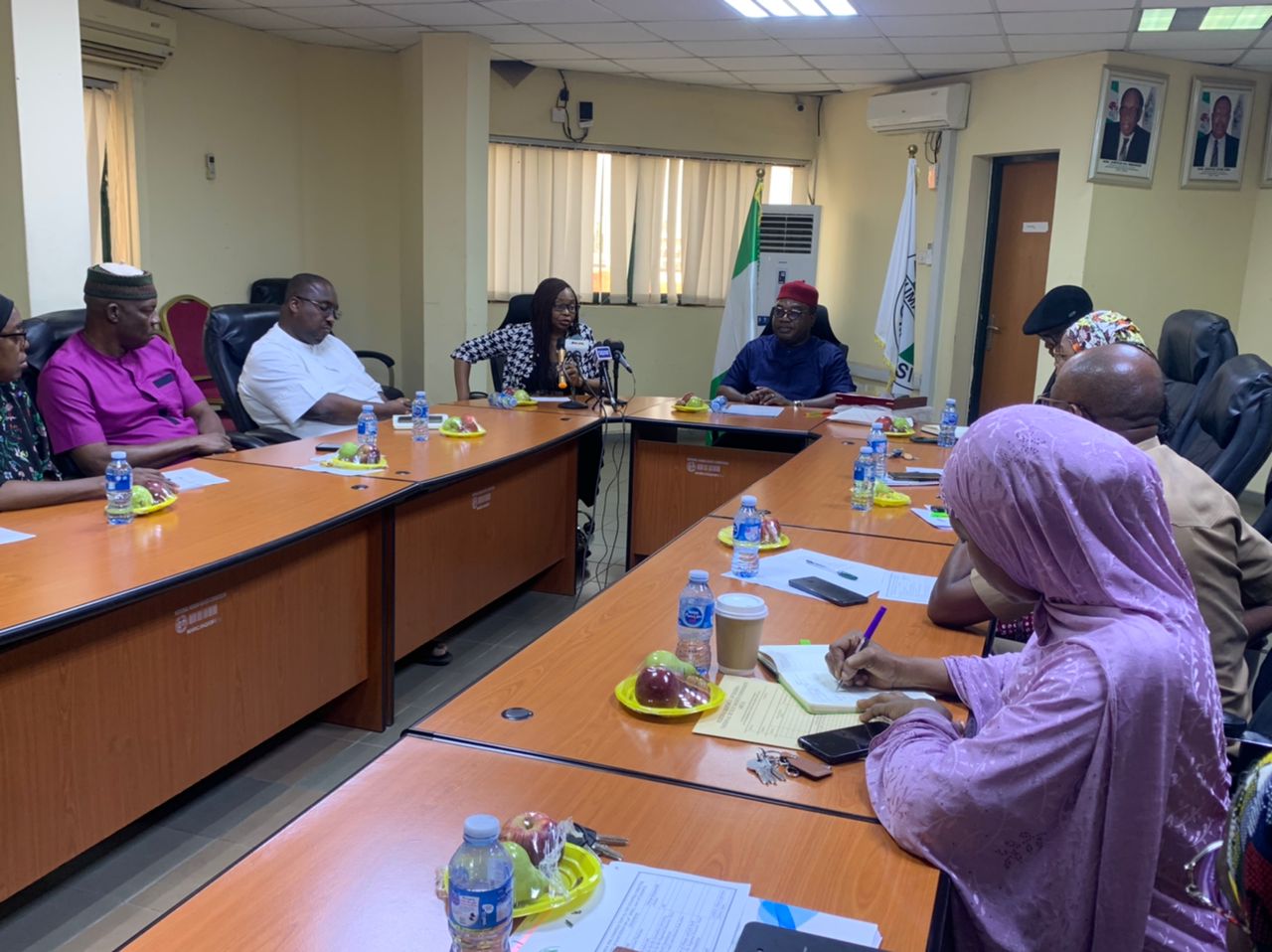
Catherine Aniagolu-Okoye says dignity, justice and human rights are the foundation of sustainable development.
By A1 News International | Abuja, Nigeria
The Ford Foundation has called for stronger commitment to human rights as the basis for national development, saying dignity, justice and inclusion remain essential to progress in health, education and economic wellbeing.
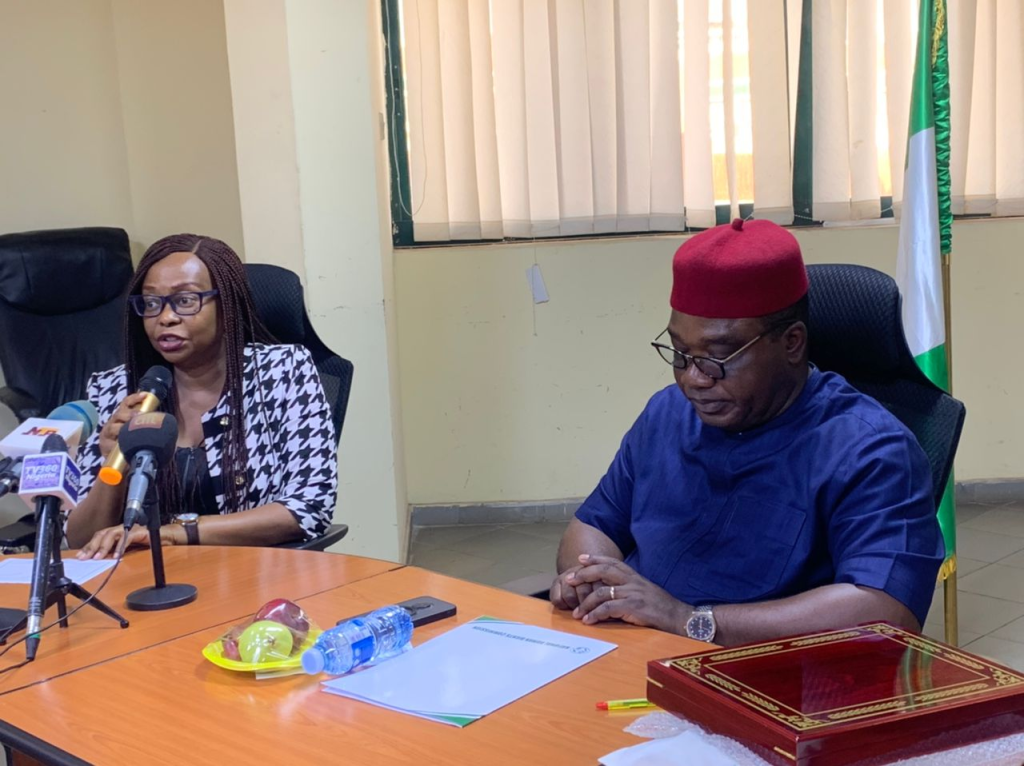
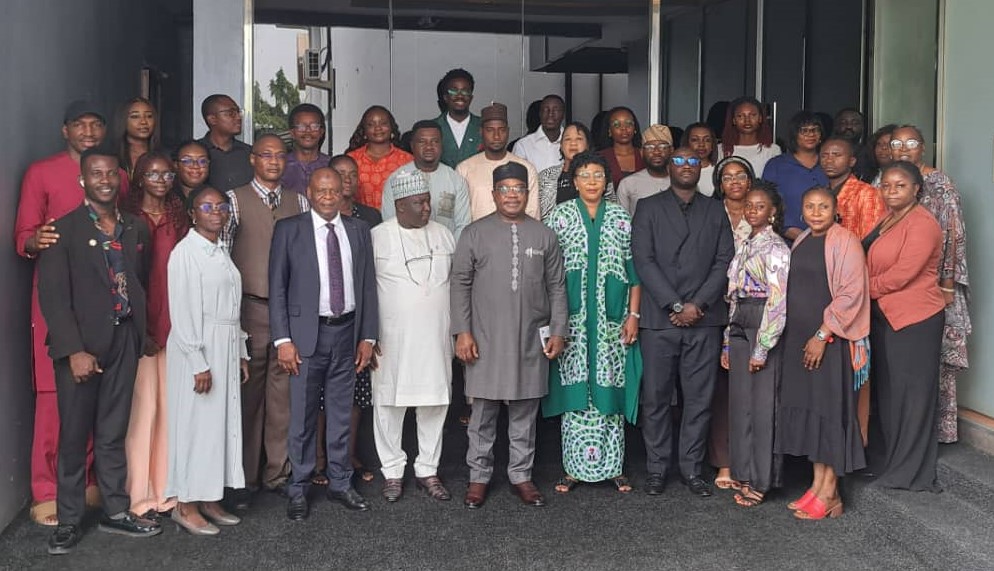
The Foundation’s West Africa Regional Director, Catherine Aniagolu-Okoye, also known as ChiChi, made the remarks in Abuja on Tuesday while receiving an award from the National Human Rights Commission (NHRC) for its long-standing support for human rights promotion in Nigeria.
Human rights at the centre of development
Aniagolu-Okoye said the award was an honour, but stressed that the greater recognition the Foundation desired was a country where human rights are consistently protected and respected.
According to her, development cannot be separated from human rights, arguing that people who lack dignity cannot fully access education, healthcare or economic opportunity.
She noted that although many developing countries often prioritise urgent survival needs such as food, health and schooling, those goals are best achieved where human rights are protected.
She emphasized that human rights are not secondary to development priorities such as food security, healthcare, and education, but rather the foundation upon which these sectors thrive.
According to her, decades of experience—spanning over 65 years in Nigeria and 90 years globally—have demonstrated that sustainable development is impossible without dignity and rights.
“Where people lack dignity, they cannot provide for themselves or contribute meaningfully to society. Human rights must be seen as central to development, not optional,” she said.
CALL FOR STRONGER GOVERNMENT COMMITMENT
Aniagolu-Okoye acknowledged Nigeria’s complex human rights history, including periods of military rule and democratic challenges, but commended the government for sustaining the NHRC.
However, she cautioned that funding constraints often undermine institutions tasked with protecting rights. While development partners like the Ford Foundation provide support, she stressed that the ultimate responsibility lies with the state.
“External partners can only complement efforts. The real protection of human rights must come from within—through strong national institutions and political will,” she stated.
She added that the Foundation’s greatest reward would be to see Nigeria emerge as a model for human rights protection, where dignity is upheld as a minimum standard.
Ford Foundation pledges continued support
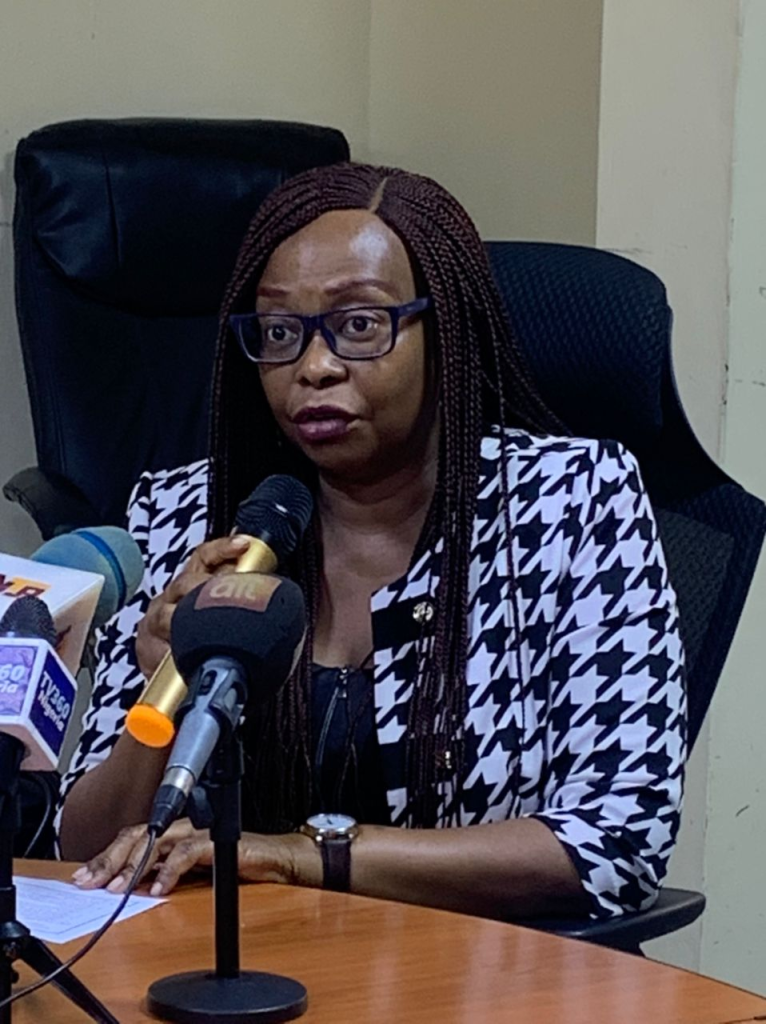
The regional director said the Ford Foundation would continue supporting efforts that strengthen rights protection in Nigeria, but maintained that government must remain the primary guarantor of human rights.
She said external partners could only complement the state, not replace it, adding that the Foundation’s goal is to see Nigeria become a stronger pillar of rights protection for its citizens.
Aniagolu-Okoye also acknowledged the Nigerian government’s continued support for the NHRC, while noting that the country has had a difficult history, including periods under military rule and the challenges of democracy.
NHRC COMMENDS DECADES OF SUPPORT
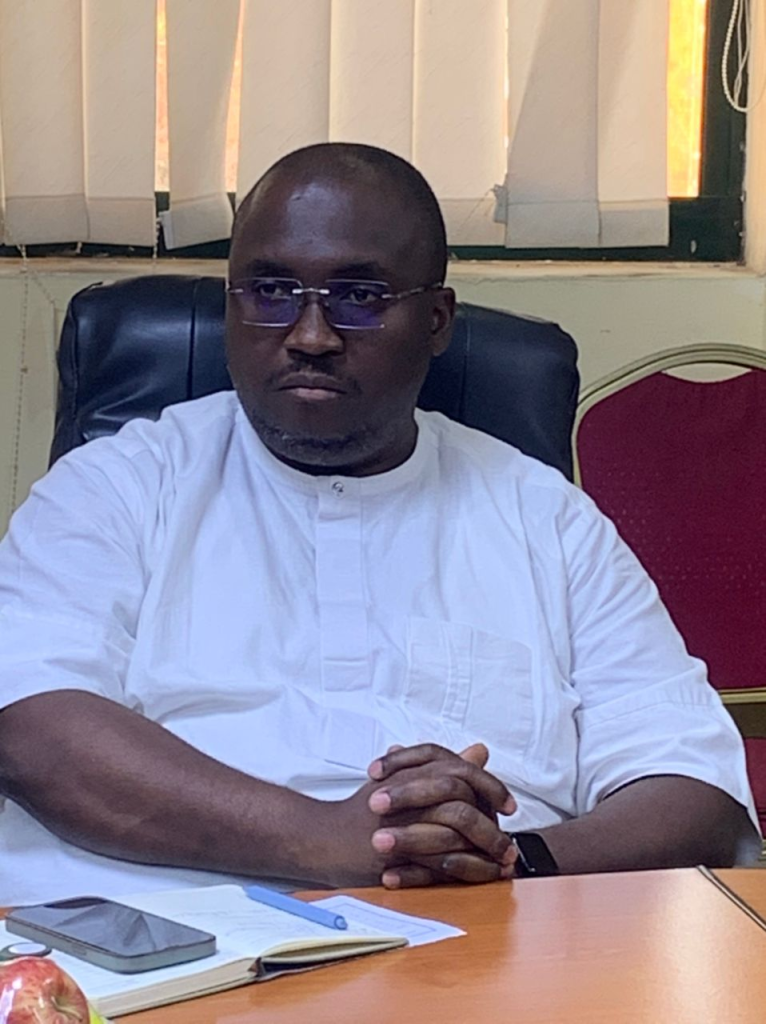
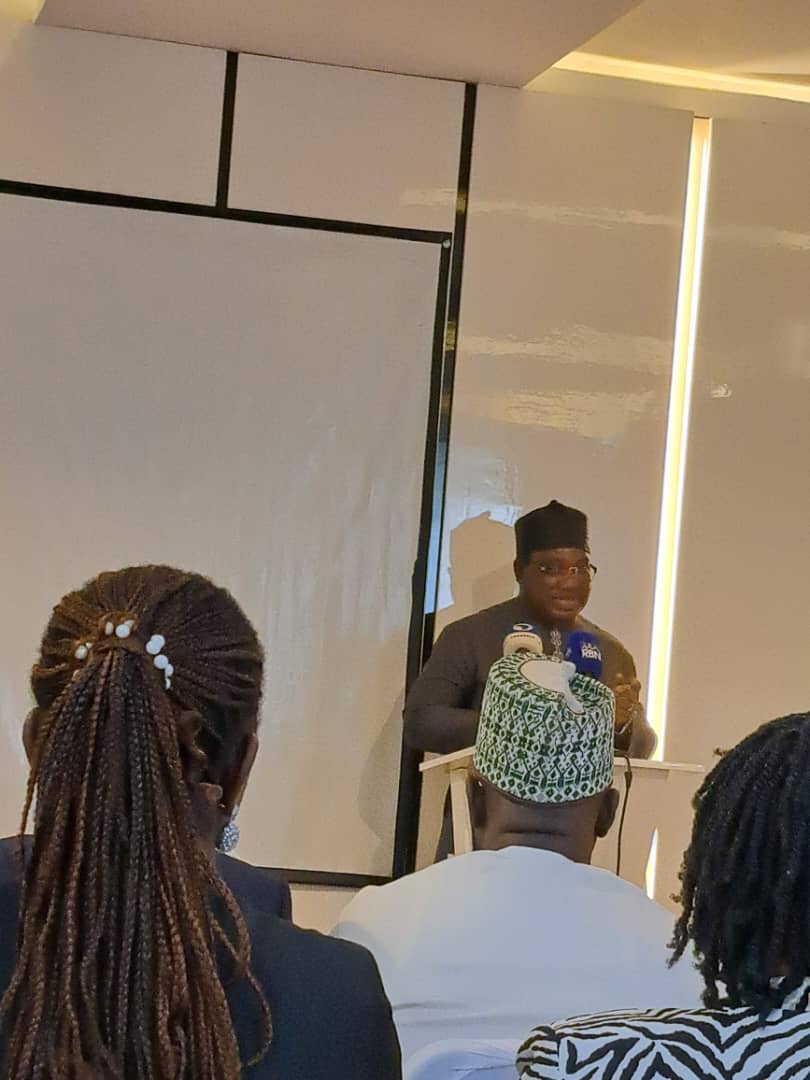
In his remarks, Executive Secretary of the NHRC, Tony Ojukwu (SAN), described the award as recognition of the Foundation’s enduring partnership and impact.
He noted that since 1997, the Ford Foundation has consistently supported the Commission through funding, institutional strengthening, and leadership development.
“The Foundation has played a critical role in advancing democratic values, justice sector reforms, and the protection of vulnerable groups across Nigeria,” Ojukwu said.
IMPACT ON JUSTICE, GENDER EQUALITY, AND ELECTIONS
Ojukwu highlighted several key interventions by the Foundation, including nationwide human rights campaigns across Nigeria’s 36 states and efforts to combat gender-based violence.
He also referenced the Foundation’s support for the MOVE project during the 2023 general elections, which aimed to integrate human rights into electoral processes and political campaigns.
These initiatives, he said, have expanded access to justice, strengthened civic engagement, and deepened the human rights movement in Nigeria.
PARTNERSHIP CRUCIAL AMID EMERGING CHALLENGES
The NHRC boss stressed that evolving threats—ranging from inequality to new forms of rights violations—require sustained collaboration between government, civil society, and development partners.
He described the Ford Foundation as a dependable ally whose interventions align with the aspirations of Nigerians and institutional priorities.
LOOKING AHEAD: A SHARED RESPONSIBILITY
Ojukwu reaffirmed the Commission’s commitment to strengthening its partnership with the Foundation, expressing confidence that continued collaboration would drive meaningful progress.
“The advancement of human rights is a shared responsibility. With partners like the Ford Foundation, we are better positioned to address emerging challenges and safeguard human dignity,” he said.
While accepting the award, the Ford Foundation reiterated that recognition alone is not enough. Its ultimate expectation, it said, is a Nigeria where human rights are fully institutionalized and citizens’ dignity is respected as a fundamental benchmark for development.





Leave a Reply