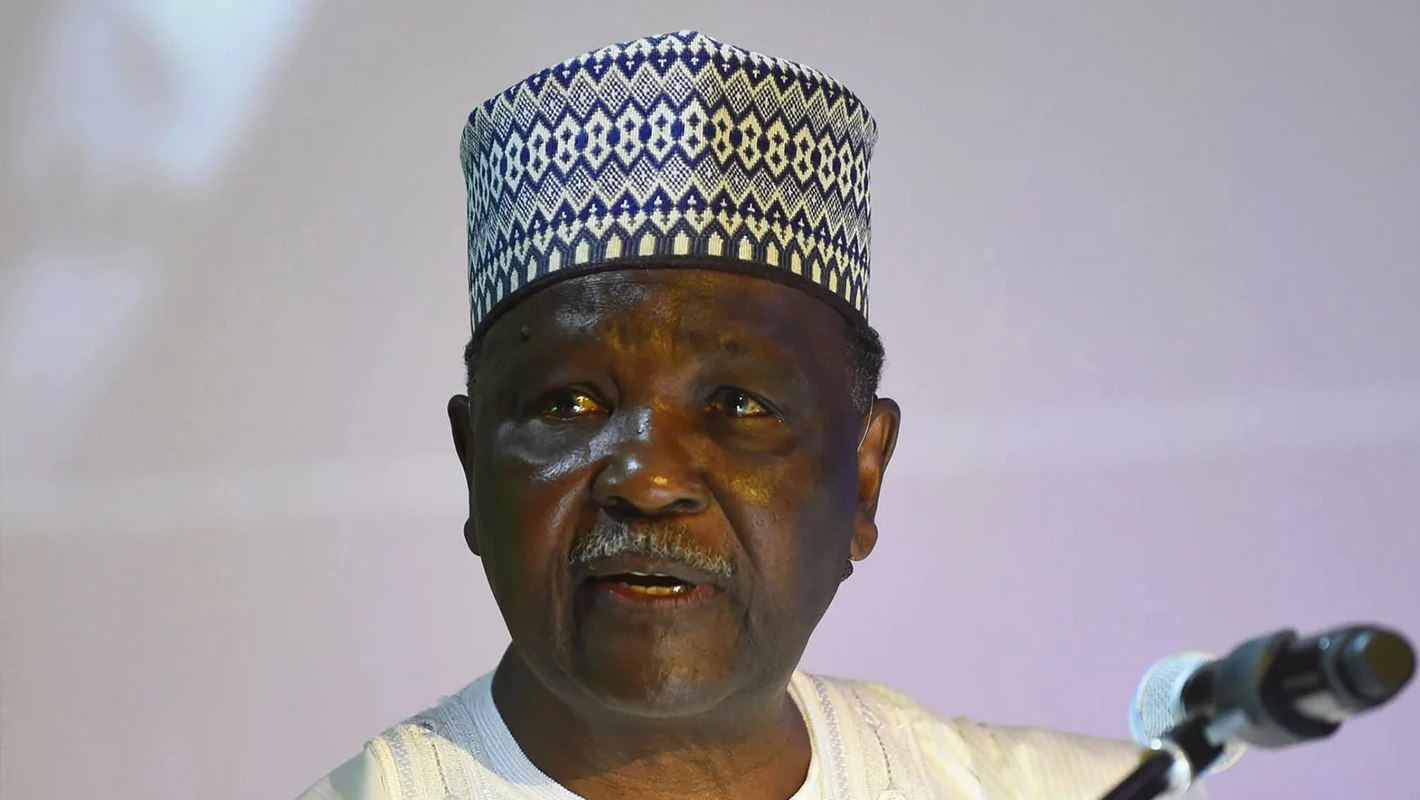
Prominent industrialist and elder statesman, Dr. Chike Obidigbo, has criticized former Head of State, General Yakubu Gowon (rtd), over what he described as omissions and distortions in the retired military leader’s recently released autobiography. Obidigbo argues that key facts surrounding the Nigerian Civil War, the Aburi Accord, and the eventual declaration of Biafra were deliberately left out, calling for a comprehensive historical reckoning and national reconciliation.
Abuja, Nigeria – Fresh controversy has erupted over Nigeria’s civil war history following strong criticism of former Head of State, General Yakubu Gowon (rtd), by elder statesman and Convener of Igbochukwu Organisation, Dr. Chike Obidigbo.
Obidigbo accused Gowon of failing to disclose critical truths about the events that culminated in the 1967–1970 Nigerian Civil War, particularly the circumstances surrounding the collapse of the Aburi Accord and the eventual declaration of the Republic of Biafra.
The remarks come in response to Gowon’s recently released memoir, My Life of Duty & Allegiance, which seeks to document his military and political career, including his role during one of the most tragic periods in Nigeria’s history.
The intervention has reignited long-standing debates about historical accountability, ethnic reconciliation, and unresolved grievances stemming from the war that claimed an estimated one to three million lives.
OBIDIGBO QUESTIONS GOWON’S VERSION OF HISTORY
In a statement released on Monday, Obidigbo expressed disappointment that Gowon, now in his nineties, failed to provide what he described as a complete and honest account of the events that led to the conflict.
According to him, the autobiography reads more like a military command narrative designed to defend institutional positions rather than uncover historical truths.
The elder statesman argued that at this stage in life, key actors in Nigeria’s post-independence history should prioritize truth and reconciliation over preserving political legacies.
He maintained that younger generations deserve an honest account of the decisions, pressures, and geopolitical interests that shaped the civil war.
“We cannot continue to deceive the younger generation. At our twilight years, truth should take precedence over political convenience,” Obidigbo stated.
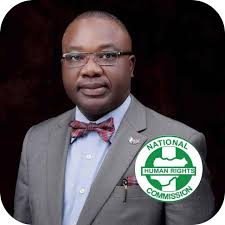
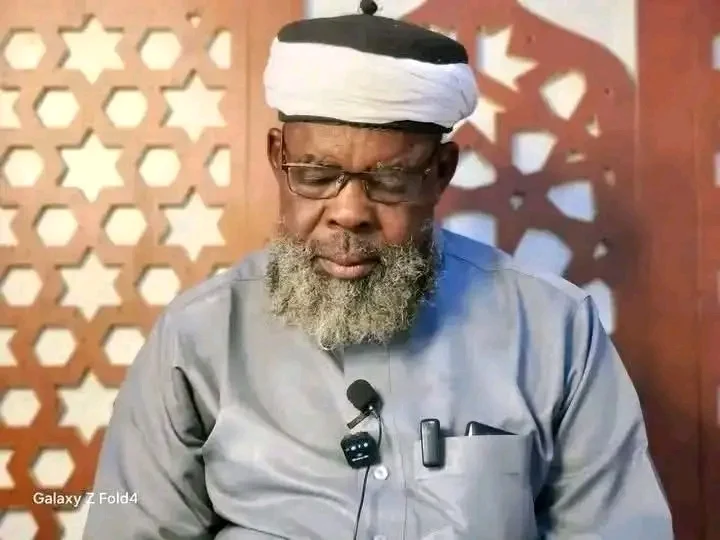
Dr. Chike Obidigbo
THE ABURI ACCORD AND THE ROAD TO WAR
Central to Obidigbo’s criticism is the fate of the Aburi Accord, a peace agreement reached in January 1967 between military leaders from Nigeria’s regions during negotiations held in Aburi, Ghana.
The accord was intended to prevent Nigeria’s disintegration following the political crises and ethnic violence that followed the January and July 1966 military coups.
According to Obidigbo, Gowon’s memoir failed to adequately explain why the agreement eventually collapsed and how that breakdown contributed directly to the outbreak of war.
He contended that former Eastern Region Military Governor, Lt. Col. Chukwuemeka Odumegwu Ojukwu, did not initially seek secession but was compelled by circumstances arising from widespread attacks against Easterners living in Northern Nigeria.
CLAIMS OF FOREIGN PRESSURE AND BRITISH INVOLVEMENT
Perhaps the most controversial aspect of Obidigbo’s statement concerns allegations of British involvement in the events leading to the declaration of Biafra.
He claimed that in April 1967, a delegation allegedly comprising British diplomatic and corporate representatives visited Ojukwu in Enugu and encouraged the Eastern Region to consider secession.
According to Obidigbo, the visitors discussed issues relating to future oil exploration activities and allegedly assured Ojukwu of international support should Biafra emerge as an independent state.
The claims, which have not been independently verified, form part of longstanding debates among historians regarding foreign interests and geopolitical calculations during the Nigerian Civil War.
Successive British governments have maintained that their support for Nigeria during the conflict was based on the principle of preserving the country’s territorial integrity.
“OJUKWU DID NOT ORIGINALLY SEEK BIAFRA”
Obidigbo insisted that Ojukwu’s primary concern at the time was the protection of Eastern Nigerians rather than the creation of a separate state.
He alleged that after consultations with military officers, civil servants, traditional rulers, and community leaders across the Eastern Region, support for secession eventually emerged as a response to escalating insecurity and fears of continued persecution.
According to his account, the name “Biafra” was proposed during consultations involving traditional rulers and was eventually adopted because it was perceived as ethnically neutral and representative of the region’s diverse ethnic groups.
Historical records indicate that the Republic of Biafra was officially declared on May 30, 1967, leading to a military conflict that lasted until January 1970.
THE HUMAN COST OF WAR
The Nigerian Civil War remains one of Africa’s deadliest conflicts.
Millions of civilians were displaced, while widespread famine, disease, and military operations caused enormous human suffering.
Obidigbo argued that despite Gowon’s famous declaration of “No Victor, No Vanquished” at the end of the war, neither Nigeria nor Biafra truly emerged victorious.
Instead, he suggested that both sides suffered devastating losses whose effects continue to shape Nigeria’s political and socio-economic landscape more than five decades later.
He maintained that unresolved questions about justice, equity, and national integration remain central to contemporary tensions across parts of the country.
CALLS FOR RECONCILIATION AND HISTORICAL CLARITY
The elder statesman urged Gowon and other surviving actors from that era to embrace what he described as a final opportunity for national healing by openly discussing the decisions and external influences that shaped the conflict.
He also called for broader reconciliation efforts involving communities affected by the war and renewed conversations on national unity, inclusion, and constitutional reforms.
According to him, confronting difficult historical truths remains essential for preventing future divisions and strengthening Nigeria’s democratic foundations.
HISTORIANS DIVIDED OVER CIVIL WAR NARRATIVES
The latest controversy highlights the enduring complexity of Nigeria’s civil war history.
For decades, scholars, former military officers, diplomats, and political leaders have offered differing accounts of the factors that led to the conflict.
While some emphasize ethnic violence, constitutional disputes, and military rivalries, others point to international interests, resource politics, and Cold War calculations.
The publication of memoirs by key actors continues to generate renewed scrutiny as historians seek to piece together a comprehensive understanding of one of Nigeria’s defining historical moments.
As debates over General Yakubu Gowon’s memoir continue, Dr. Chike Obidigbo’s intervention underscores the persistent demand for transparency, accountability, and historical truth regarding Nigeria’s civil war experience.
More than five decades after the guns fell silent, questions surrounding the Aburi Accord, the declaration of Biafra, foreign involvement, and the war’s lasting consequences remain deeply relevant to Nigeria’s search for national cohesion.
Whether Gowon or other surviving actors choose to respond, the renewed discussion demonstrates that the story of the Nigerian Civil War remains far from settled in the minds of many Nigerians.





Leave a Reply