
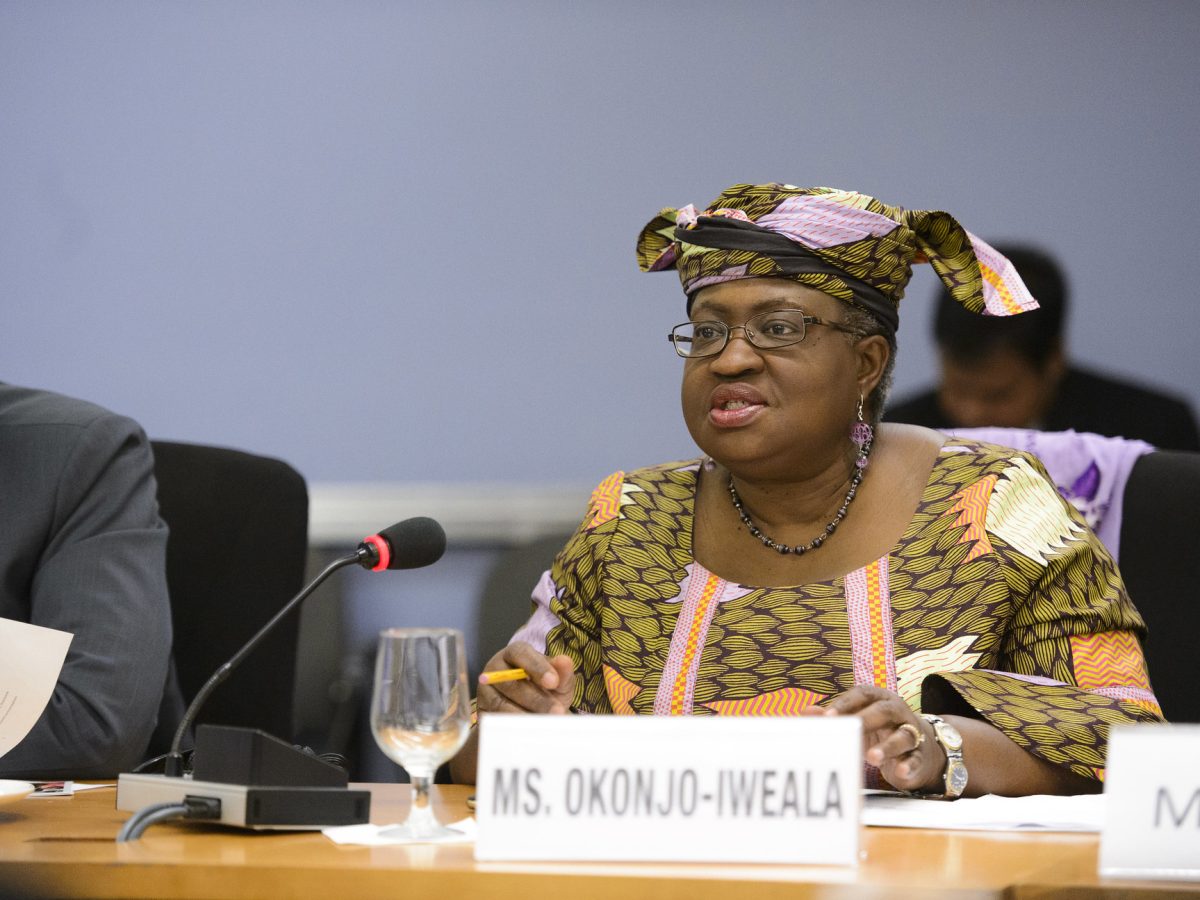
WTO Director-General says public trust, strategic communication and difficult reforms helped Nigeria secure one of Africa’s biggest sovereign debt relief deals, as she urges national unity and competence-driven leadership.
By A1NEWS International
Abuja, Nigeria | July 30, 2026
Director-General of the World Trade Organisation (WTO), Dr. Ngozi Okonjo-Iweala, has offered fresh insight into one of the most significant economic milestones in Nigeria’s history, revealing that the country’s landmark $18 billion Paris Club debt relief was achieved not only through fiscal reforms and international negotiations but also through a deliberate communication strategy that won public confidence.
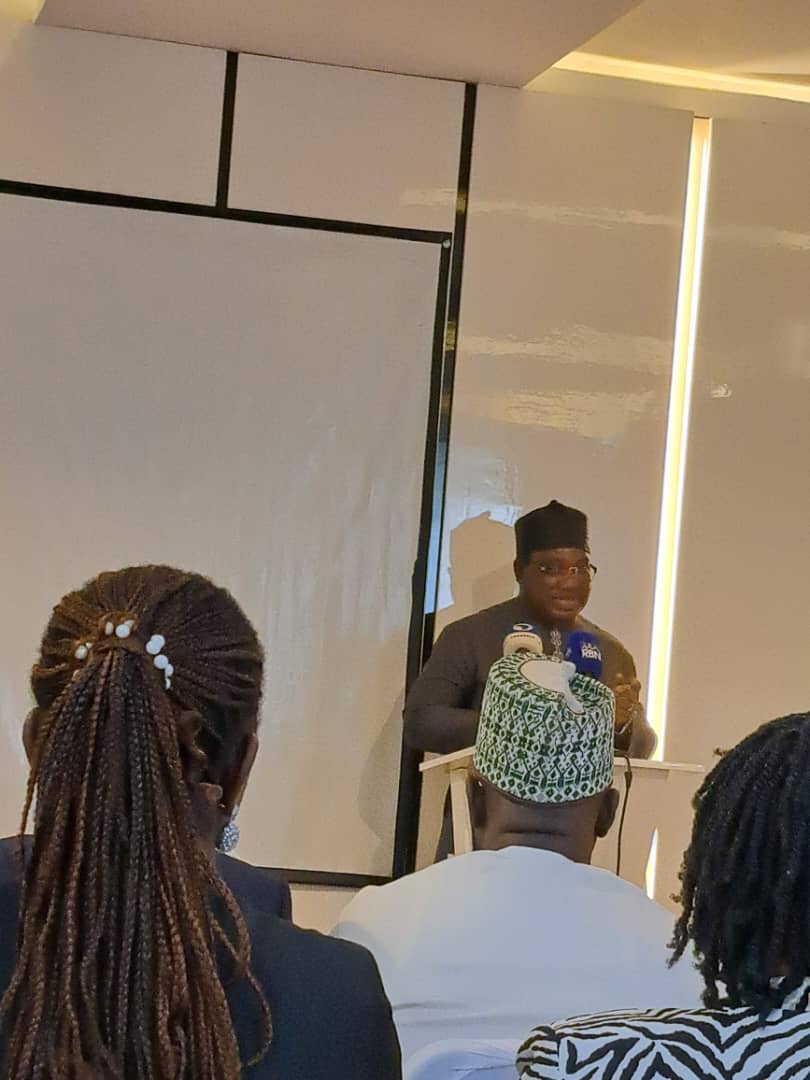
Speaking at the public presentation of “The Pain and the Promise,” a new book authored by communications strategist Paul Nwabuikwu, Okonjo-Iweala said Nigeria’s success in convincing international creditors to cancel approximately 60 percent of its $30 billion Paris Club debt depended on persuading Nigerians to understand and support painful economic reforms.
Her remarks revisit a defining moment in Nigeria’s economic history while raising broader questions about leadership, governance, public trust and the role of effective communication in implementing difficult national reforms.
Nigeria’s Debt Crisis Before the Historic Deal
When former President Olusegun Obasanjo assumed office in 1999, Nigeria was burdened by a crippling external debt estimated at nearly $30 billion, much of it owed to the Paris Club—an informal group of creditor nations.
The debt consumed a significant portion of government revenues through annual servicing payments, leaving fewer resources for infrastructure, education, healthcare and poverty reduction.
Upon returning from the World Bank in 2003 as Minister of Finance, Okonjo-Iweala said she was assigned the task of stabilising Nigeria’s finances and negotiating debt cancellation.
“I had been brought in from the World Bank to help straighten up and strengthen Nigeria’s weak finances, including getting rid of the $30 billion of the country’s debt owed to the Paris Club.”
Economic Reforms Came Before Debt Relief
According to Okonjo-Iweala, creditors were unwilling to grant debt relief without clear evidence that Nigeria was committed to fiscal discipline and structural reforms.
The administration therefore embarked on wide-ranging economic measures that included:
- Strengthening public financial management.
- Improving fiscal transparency.
- Controlling government expenditure.
- Fighting corruption.
- Increasing oil revenue accountability.
- Introducing macroeconomic reforms.
However, implementing these policies required Nigerians to make significant sacrifices.
Winning Public Confidence Became a Strategic Priority
Rather than focusing solely on policy implementation, Okonjo-Iweala said she quickly realised that public understanding would determine whether the reforms succeeded.
She therefore recruited communications expert Paul Nwabuikwu to lead the government’s public communication strategy.
According to her, explaining difficult economic decisions in language ordinary Nigerians could understand proved just as important as negotiating with international creditors.
“One important component in my mind then was that we would need a crack communications person or team to help us reach Nigerians, to explain all of this in simple language.”
She credited Nwabuikwu’s strategic communication efforts with helping sustain public confidence throughout the reform programme.
“We wouldn’t have had as much success with the reform programme if we had not had a masterful steering of communications.”
Communication: The Often Forgotten Pillar of Economic Reform
Okonjo-Iweala argued that governments frequently underestimate the importance of communication when introducing difficult policies.
According to her, reforms cannot succeed in democratic societies without public trust.
She maintained that citizens must understand:
- Why reforms are necessary.
- What sacrifices are expected.
- What long-term benefits may result.
- How government intends to implement change.
“Reform,” she noted, “is about persuading people, explaining trade-offs and building enough trust that governments can continue despite resistance.”
Analysts say the observation remains relevant today as governments worldwide struggle to build public support for subsidy reforms, tax adjustments and economic restructuring.
The Historic Paris Club Agreement
Nigeria eventually secured one of the largest sovereign debt relief agreements in African history.
In 2005, members of the Paris Club agreed to cancel approximately $18 billion of Nigeria’s external debt after negotiations led by the Federal Government.
The agreement represented roughly 60 percent of Nigeria’s bilateral debt.
The debt exit was fully completed on April 21, 2006, after Nigeria settled the agreed balance.
Economists have widely described the agreement as one of the country’s biggest fiscal achievements since independence because it significantly reduced debt servicing obligations and improved Nigeria’s international credit profile.
Okonjo-Iweala Calls for National Unity
Beyond reflecting on the past, the WTO Director-General expressed concern about Nigeria’s present governance challenges.
She argued that persistent ethnic, religious and regional divisions continue to undermine national development.
According to her, sustainable economic progress requires Nigerians to embrace a common national vision above sectional interests.
She warned that unless citizens and leaders forge a stronger social compact, the country could struggle to achieve the level of prosperity its population deserves.
Competence Should Replace Identity Politics
Okonjo-Iweala also advocated merit-based appointments in both public and private institutions.
She stressed that talent exists across every region of Nigeria and should not be overshadowed by ethnic or regional considerations.
According to her, professionalism and competence remain essential ingredients for national development.
Observers note that the remarks resonate with ongoing national debates over federal appointments, inclusion and public sector reforms.
Book Revisits Three Decades of Nigerian Governance
Reviewing “The Pain and the Promise,” Okonjo-Iweala described the publication as an important account of Nigeria’s political and economic evolution over the past thirty years.
She recommended the book particularly for young Nigerians seeking to better understand the country’s governance journey and reform experiences.
Former Minister of Aviation Osita Chidoka, who also spoke during the event, said Nigeria needs constructive criticism, accountable leadership and stronger engagement between government and citizens.
According to him, although many of the country’s current challenges are self-inflicted, there remains enormous promise in Nigeria’s people, creativity and democratic potential.
Why the Story Matters Today
Two decades after the Paris Club agreement, Nigeria once again faces rising public debt, persistent fiscal pressures and growing calls for structural reforms.
Economic experts say the reflections shared by Okonjo-Iweala offer important lessons for current policymakers:
- Public trust is critical to reform success.
- Economic policies require transparent communication.
- Fiscal discipline enhances international credibility.
- National unity strengthens development outcomes.
- Competence-based governance improves institutional performance.
As Nigeria continues to navigate inflation, debt servicing pressures and economic restructuring, those lessons remain highly relevant.
Dr. Ngozi Okonjo-Iweala’s account of Nigeria’s successful Paris Club debt negotiations provides more than a historical reflection—it offers a blueprint for governance rooted in transparency, communication and public trust. Her remarks suggest that economic reforms cannot succeed through policy design alone; they require citizens who understand the purpose of difficult decisions and leaders capable of building confidence across political, ethnic and regional divides.
As Nigeria confronts fresh fiscal and economic challenges, the experience of the 2005–2006 debt relief negotiations remains a reminder that sustainable reform depends not only on technical expertise but also on effective leadership, institutional credibility and national consensus.






Leave a Reply