
Internal directive grants rest to parade participants, but questions emerge over manpower gaps and policing continuity
By Jumai Musa | Abuja, Nigeria
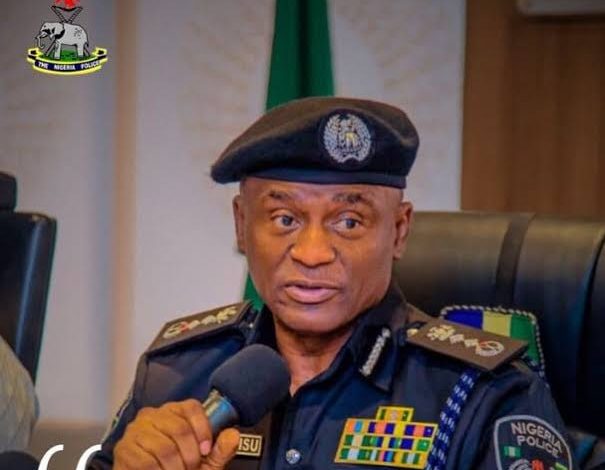
The Inspector-General of Police, Olatunji Disu, has approved a two-week break for officers who participated in the 2026 National Police Day parade, in what authorities describe as a morale-boosting measure.
However, findings indicate the directive may raise operational concerns regarding personnel deployment and policing capacity nationwide.
The approval was conveyed through an internal wireless message from the Force Headquarters and circulated across key formations of the Nigeria Police Force.
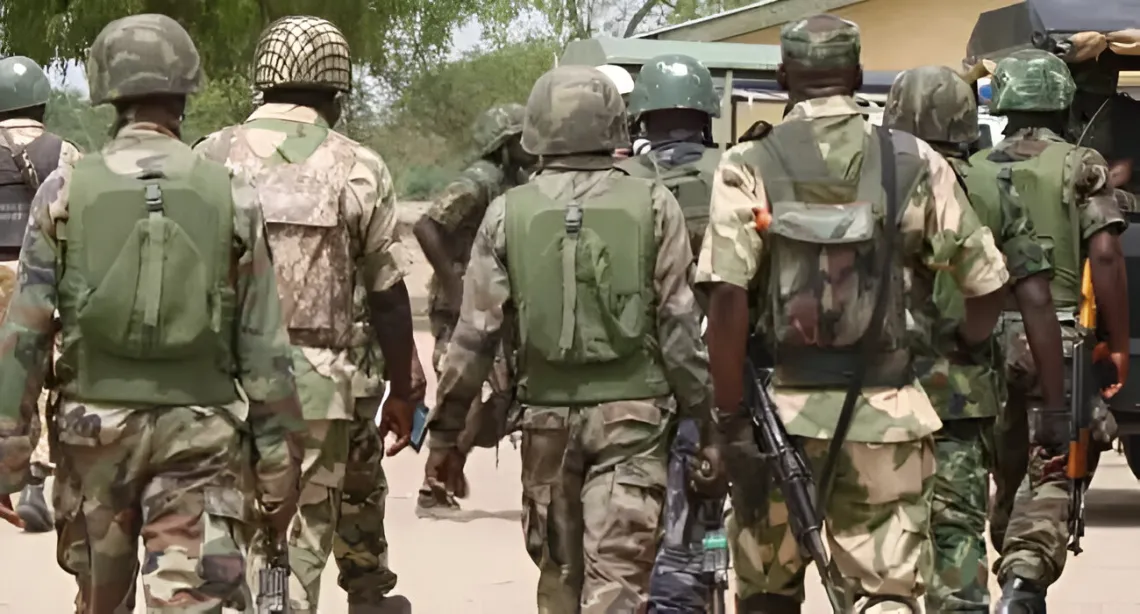
According to the signal, the break applies strictly to officers and personnel directly involved in the nationwide parade, which concluded recently after weeks of coordinated preparation.
The directive was distributed to multiple units, including the Force Criminal Investigation Department (FCID), ICT Department, Mobile Police units, Federal Operations, and state commands, among others.
Internal Signal and Implementation Scope
Part of the official communication confirmed that the leave was granted in recognition of the officers’ participation in what was described as a successful and well-coordinated event.
The National Police Day parade, held annually, involves extensive mobilisation of personnel across commands, often requiring weeks of rehearsals, logistical coordination, and operational adjustments.
Sources within the Force indicate that implementation of the directive is immediate, with commands instructed to ensure that only eligible personnel benefit from the break.
Morale Boost vs Operational Gaps
While the move is being framed as a welfare initiative aimed at boosting morale, security analysts warn it could create temporary manpower shortages, particularly in high-risk areas already facing policing deficits.
Nigeria continues to grapple with multiple security challenges—including insurgency, banditry, and urban crime—raising concerns about the timing and scale of the break.
Insiders suggest that the number of officers involved in the parade, drawn from various strategic units, could impact routine policing operations if not carefully managed.
Lack of Public Transparency
The directive, communicated through internal channels, has not been publicly detailed by police authorities, leaving questions about the number of officers affected and contingency measures in place.
Experts argue that such large-scale personnel decisions require clear communication, especially in a security environment where public confidence depends heavily on visible policing presence.
Broader Welfare Debate Within the Force
The development also highlights ongoing concerns about welfare conditions within the police force, where officers frequently complain of burnout, poor working conditions, and inadequate rest periods.
While the two-week break may offer temporary relief, stakeholders say broader structural reforms—ranging from staffing levels to welfare policies—are needed to sustain operational efficiency.
The IGP’s directive underscores a balancing act between officer welfare and national security demands.
As implementation begins, attention will focus on whether the Force can maintain operational effectiveness while granting large-scale leave, or if the move exposes deeper structural gaps within Nigeria’s policing system.










Leave a Reply