
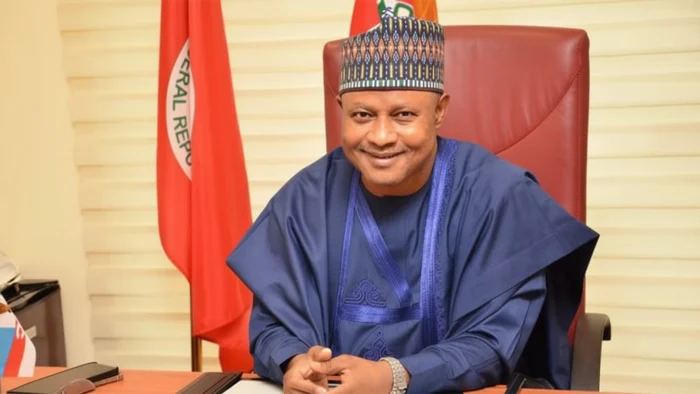
Governor Uba Sani moves to clear inherited salary arrears, leave grants, and allowances owed to judiciary staff as unions push for wider reforms
By Zakari Sani / May 22, 2026
KADUNA, Nigeria —The Kaduna State Government has approved nearly ₦1 billion for the settlement of outstanding entitlements owed to judiciary workers, in a move officials say is aimed at restoring trust, easing labour tensions, and strengthening institutional justice delivery in the state.
The approval was announced by Governor Uba Sani during a meeting with the leadership of the Judiciary Staff Union of Nigeria (JUSUN), Kaduna State Chapter, at Sir Kashim Ibrahim House.
The intervention comes amid growing concerns over unpaid allowances and arrears affecting judiciary staff across several states in Nigeria, with unions increasingly resorting to protests and industrial actions to press home their demands.
Inside the ₦1bn Judiciary Workers’ Settlement Plan
According to details provided during the meeting, the financial package covers multiple outstanding obligations inherited from previous administrations.
These include:
- Two months’ salary arrears (April and May 2021)
- Leave grants for 2023, 2024, and 2025
- Outstanding robe and outfit allowances for judiciary staff
Government officials described the intervention as part of a broader fiscal effort to address legacy liabilities while balancing current budgetary constraints.
Governor Sani stressed that despite economic pressure, his administration considers workers’ welfare a non-negotiable priority in governance.
JUSUN Raises Concerns Over Welfare and Backlog Payments
The delegation from the Judiciary Staff Union of Nigeria, led by its Chairman Auwalu Sarki, used the visit to highlight persistent challenges faced by judiciary workers in the state.
Union representatives reportedly commended recent government efforts but urged sustained action to fully resolve outstanding entitlements and improve working conditions.
Labour observers note that judiciary workers’ welfare has remained a recurring source of tension nationwide, with multiple state chapters engaging in strikes over unpaid allowances, leave bonuses, and structural reforms.
Sani Defends Fiscal Intervention Amid Economic Constraints
Governor Sani said the decision to clear the backlog of payments reflects his administration’s commitment to fairness, institutional respect, and responsible governance despite limited fiscal space.
He explained that the intervention is intended to strengthen confidence in the justice system and ensure that judicial personnel are adequately supported to perform their constitutional duties.
Sani also commended judiciary workers for their role in safeguarding justice delivery and reinforcing public trust in democratic institutions.
Broader Push for Judicial Sector Stability
Beyond the immediate financial intervention, the Kaduna State Government says it is pursuing reforms aimed at improving judiciary infrastructure and deepening cooperation between the executive and judicial arms of government.
Officials say the long-term objective is to enhance efficiency in justice delivery, reduce institutional friction, and address structural issues affecting public sector compensation.
Labour Context: Growing National Pressure on State Governments
The development in Kaduna comes amid a wider pattern of labour unrest involving judiciary workers in several Nigerian states over unpaid entitlements.
Unions have repeatedly warned that failure to address accumulated arrears could trigger fresh industrial actions, further straining the justice system.
Conclusion
While the ₦1 billion approval is being presented as a significant step toward resolving inherited liabilities, the broader challenge of sustainable judiciary funding and workers’ welfare remains unresolved.
Analysts say the real test will lie in whether the Kaduna State Government can maintain timely payments and prevent the re-emergence of arrears in the future.












Leave a Reply