
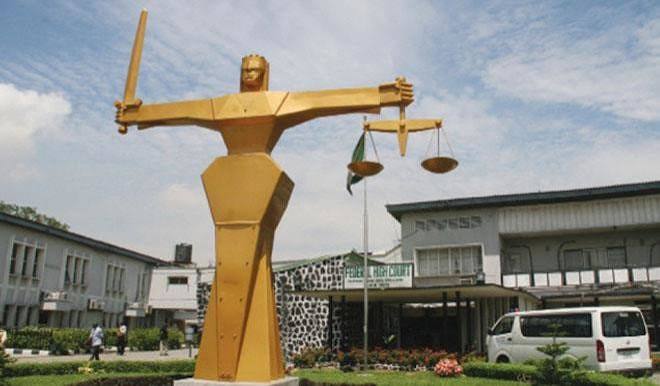
Former Power Minister tells FCT High Court he cannot confirm whether the Federal Executive Council ratified the controversial meeting minutes preceding the award of the Mambilla hydropower contract to Sunrise Power, as cross-examination of a key EFCC prosecution witness continues.
By A1NEWS International
ABUJA, NIGERIA — Former Minister of Power and Steel, Senator Liyel Imoke, has told the High Court of the Federal Capital Territory (FCT), Abuja, that he has no personal knowledge of whether the minutes of the Federal Executive Council (FEC) meeting held on May 21, 2003, were subsequently adopted or ratified by the Council.
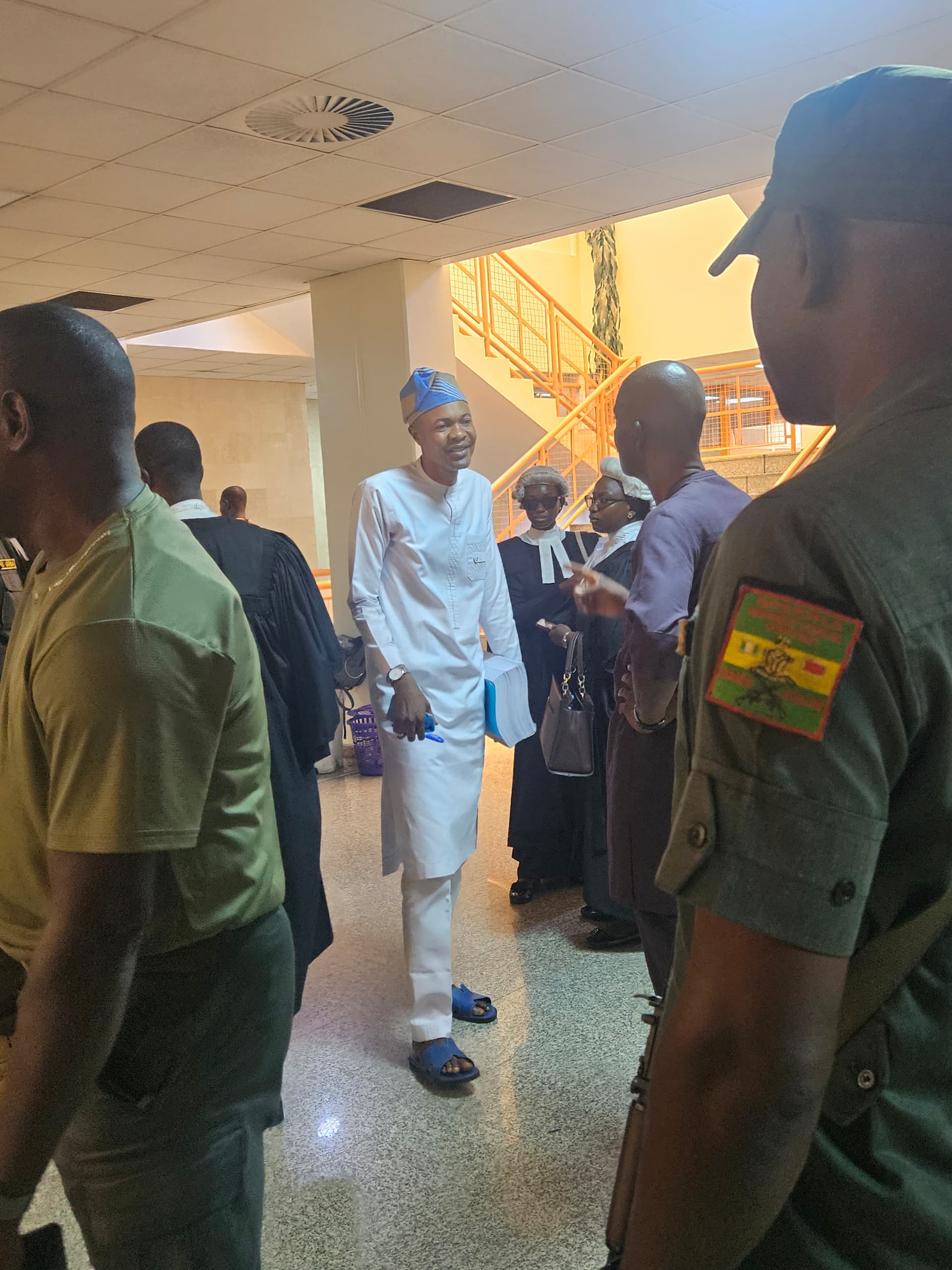
Imoke made the disclosure on Monday while being cross-examined as the sixth prosecution witness (PW6) in the ongoing criminal trial of former Minister of Power and Steel, Dr Olu Agunloye, over allegations surrounding the controversial award of the Mambilla Hydroelectric Power Project contract.
The former minister, who served as governor of Cross River State from 2007 to 2015, maintained that he could not make assumptions about proceedings of a Federal Executive Council whose membership he did not belong to at the time.
His testimony has brought renewed attention to the administrative procedures, documentary records and presidential approvals surrounding the controversial Mambilla power project, particularly the status of the May 21, 2003 FEC meeting minutes and their subsequent adoption.
The proceedings took place before Justice Jude Onwuegbuzie at the FCT High Court, Apo, Abuja, where Agunloye is facing an amended seven-count charge bordering on alleged disobedience to presidential directives, conspiracy, forgery and receiving gratification.
FEC MINUTES AND THE CONTROVERSIAL MAY 2003 CONTRACT APPROVAL
During cross-examination by defence counsel, Adeola Adedipe, SAN, Imoke confirmed that the established administrative practice during his time in government was for minutes of Federal Executive Council meetings to be presented for consideration and adoption at subsequent Council meetings.
According to him, the conclusions reached at FEC meetings were extracted and circulated to relevant officials, while the full minutes were subsequently read and considered page by page at the next Council meeting.
However, the former minister said he could not establish whether this procedure was completed in respect of the May 21, 2003 meeting, which preceded the controversial award of the Mambilla hydropower contract.
Imoke told the court that the last FEC meeting before the contract was awarded was reportedly held on May 21, 2003, while the contract award followed on May 22, 2003.
He, however, stressed that he was not a member of the Council at the time and could not independently confirm whether another meeting was convened to adopt the minutes before the administration was dissolved.
“I was not a member of Council; I was not privy to it,” he told the court.
The former minister also explained that the practice of circulating extracts of Council decisions continued even after the dissolution of the Council.
“The extract of Council meeting was the practice then. The Council’s conclusions are derived from the meeting and circulated. At the next meeting, the minutes are read and considered page by page,” Imoke explained.
When pressed on which subsequent Council meeting adopted the minutes of May 21, 2003, considering the transition between presidential administrations, the witness reiterated that extracts of the Council’s conclusions had been circulated after the Council was dissolved.
‘I BECAME MINISTER IN AUGUST 2003’
A significant aspect of the cross-examination centred on Imoke’s position within the Federal Government at the time of the disputed FEC meeting.
The former governor explained that he only assumed office as Minister of Power and Steel in August 2003, several months after the May 21 meeting and the subsequent award of the Mambilla contract.
He served in the ministry between August 2003 and November 2006.
Consequently, he insisted that he was not in a position to provide firsthand evidence about whether the minutes of the May 21, 2003 FEC meeting were formally adopted by any subsequent Council meeting.
Responding to repeated questions from Adedipe, the witness said:
“I wasn’t a member of the Council. I did not become minister until August 2003. I don’t want to make any assumptions on something I have no knowledge.
“I don’t have knowledge of the adoption. I can’t recall. This happened in 2003.”
His response underscored the evidential limitations surrounding his testimony on the specific administrative proceedings that preceded the contract award.
DEFENCE SEEKS DOCUMENTARY PROOF OF FEC RATIFICATION
Following Imoke’s inability to confirm whether the May 21, 2003 FEC minutes were adopted, Adedipe applied to the court for the prosecution’s previously tendered documents to be made available to the witness.
The defence counsel wanted Imoke to examine the documents and identify whether any of them contained evidence establishing that the minutes of the disputed FEC meeting were subsequently considered and adopted by the Council.
The request was particularly relevant to the defence’s examination of the documentary trail surrounding the government’s decision-making process and the circumstances under which the Mambilla project contract was approved.
After the documents were presented to him, Imoke informed the court that he would require additional time to examine the records.
“It will take me sometimes to go through all of these documents,” he said.
The development left the question of whether the May 21, 2003 FEC minutes were formally adopted unresolved during the day’s proceedings.
EFCC’S ALLEGATIONS AGAINST FORMER MINISTER AGUNLOYE
Agunloye, who served as Minister of Power and Steel under former President Olusegun Obasanjo, is being prosecuted by the Economic and Financial Crimes Commission (EFCC) on behalf of the Federal Government.
The anti-graft agency accused him of allegedly disobeying presidential directives relating to the award of the Mambilla Hydroelectric Power Project contract.
Among other allegations, the EFCC claimed that Agunloye conspired with Leno Adesanya, associated with Sunrise Power and Transmission Company Limited, to facilitate the award of the project under a Build, Operate and Transfer (BOT) arrangement.
The commission further alleged that Agunloye received gratification amounting to N5.212 million in 2019 through Jide Abiodun Sotirin into his Guaranty Trust Bank (GTB) account.
According to the prosecution, the alleged payment was connected to the conveyance of Federal Government approval for the construction of the Mambilla project.
The EFCC also accused the former minister of conspiring with Adesanya to forge a document titled “Construction of 3,960MW Mambilla Hydroelectric Power Station on a Build, Operate and Transfer Basis.”
Agunloye has denied the allegations and pleaded not guilty to all the charges preferred against him.
The allegations remain matters for determination by the court, and the defendant is presumed innocent until proven guilty.
PROSECUTION SEEKS ADJOURNMENT AS CROSS-EXAMINATION CONTINUES
Towards the end of Monday’s proceedings, prosecuting counsel, Abba Mohammed, SAN, requested an adjournment, informing the court of the need to allow the witness attend to a personal matter.
Following the application, Justice Jude Onwuegbuzie adjourned the case until Wednesday, November 11, for the continuation of the cross-examination of Imoke, the sixth prosecution witness.
The resumed proceedings are expected to provide an opportunity for the witness to further examine the documentary evidence presented by the prosecution and respond to questions concerning the administrative records surrounding the controversial project.
WHY THE MAY 2003 FEC MINUTES MATTER
The question of whether the May 21, 2003 Federal Executive Council minutes were formally adopted is significant to the ongoing trial because of the wider dispute over the administrative and legal circumstances surrounding the approval and award of the Mambilla hydropower project.
The distinction between decisions reached at an FEC meeting, extracts subsequently circulated and the formal adoption of meeting minutes could become relevant to the court’s assessment of the documentary evidence and the sequence of government approvals.
However, Imoke’s testimony did not establish that the minutes were never adopted. Rather, he told the court that he had no personal knowledge of their adoption and could not identify a subsequent Council meeting at which this occurred.
The court will ultimately determine the evidential significance of the documents and testimonies presented by both the prosecution and defence.
TIMELINE: KEY DATES IN THE MAMBILLA PROJECT TESTIMONY
May 21, 2003: Federal Executive Council meeting reportedly held, with its minutes subsequently becoming a subject of controversy in the trial.
May 22, 2003: Date on which the prosecution’s account places the award of the controversial Mambilla project contract.
May 29, 2003: Former President Olusegun Obasanjo inaugurated for his second presidential term.
August 2003: Liyel Imoke assumed office as Minister of Power and Steel.
November 2006: Imoke’s tenure as Minister of Power and Steel ended.
2007–2015: Imoke served as governor of Cross River State.
Monday’s court proceedings: Imoke testified that he had no knowledge of the subsequent adoption of the May 21, 2003 FEC minutes.
November 11: Scheduled date for continuation of his cross-examination, as announced by the court.
The testimony of Senator Liyel Imoke has introduced another important dimension into the ongoing legal examination of the Mambilla Hydroelectric Power Project, particularly the documentary and administrative procedures surrounding the Federal Government’s decisions in May 2003.
Although the former minister confirmed the established practice of adopting FEC minutes at subsequent Council meetings, he could not verify whether that procedure was followed in respect of the May 21, 2003 meeting.
With the defence seeking to establish the existence or otherwise of documentary evidence of such adoption, attention is now focused on the records already tendered before the court.
As the trial continues, the court’s examination of the documentary evidence, presidential directives and testimonies of government officials will remain central to determining the allegations against Agunloye and the circumstances surrounding the controversial Mambilla project.
A1NEWS International will continue to monitor the proceedings and provide updates as the trial unfolds.





Leave a Reply