
Fresh Intelligence From Captured Devices Reveals Command Structure as Troops Intensify Counter-Terrorism Operations in Borno
By Bukar Goni
MAIDUGURI, Borno State | August 6, 2026
The Nigerian military has announced a significant intelligence breakthrough in its ongoing counter-terrorism campaign in the North-East, identifying several senior commanders of the Islamic State West Africa Province (ISWAP) and Islamic State (ISIS) operating within the volatile Lake Chad Basin.
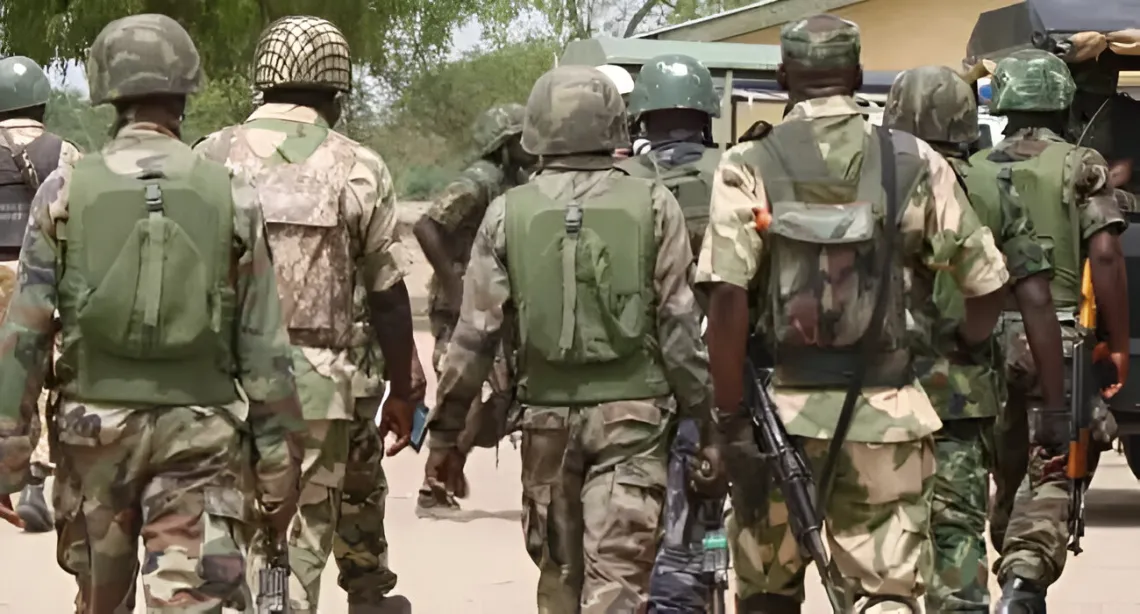
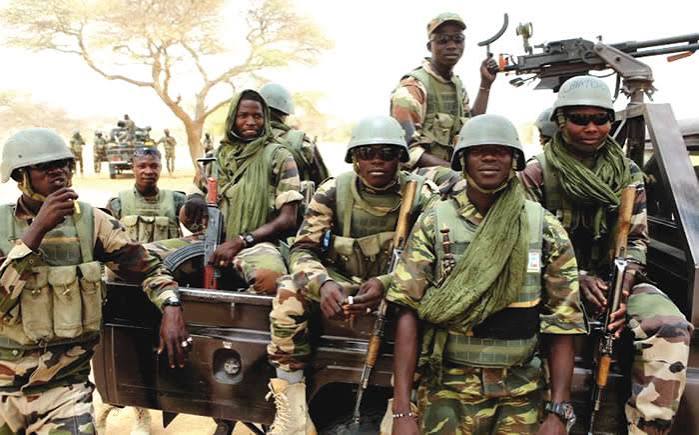
The development follows recent offensive operations conducted by troops of Operation HADIN KAI in Northern Borno State, where security forces reportedly recovered high-value intelligence materials capable of exposing the terrorist group’s operational network, leadership hierarchy and hideouts.
Security analysts describe the discovery as one of the most significant intelligence gains in recent months, potentially providing fresh momentum in the military’s efforts to dismantle insurgent command structures that have sustained attacks across Nigeria’s North-East and neighbouring countries.
Captured Devices Yield Critical Intelligence
In a statement issued on Wednesday by the Acting Military Information Officer, Headquarters Joint Task Force (North East), Operation HADIN KAI, Captain Mohammed Goni, the military disclosed that troops recovered sophisticated technical equipment during clearance operations against terrorist enclaves.
Among the recovered items was a camcorder allegedly used by ISWAP to record propaganda videos, operational briefings and other activities intended for recruitment, indoctrination and strategic communication.
Military authorities said forensic analysis of the electronic devices generated actionable intelligence that enabled investigators to identify several terrorist camps and senior commanders operating within the Mangari–Metele–Dogon Chukun corridor, located along the fringes of the Lake Chad Basin in Abadam and Kukawa Local Government Areas of Borno State.
Officials believe the intelligence will enhance precision military operations and improve surveillance across one of the insurgency’s remaining strongholds.
Military Names Senior ISWAP Commanders
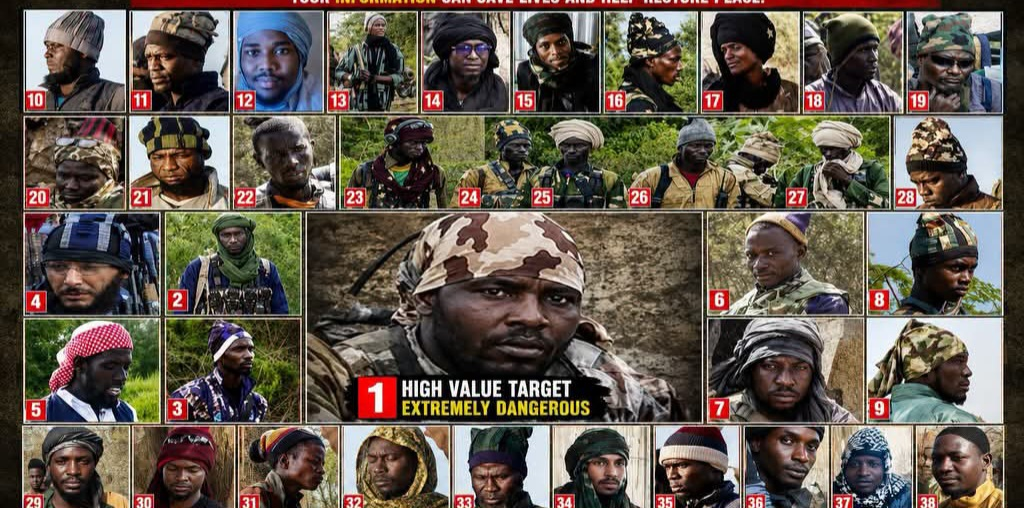
The military identified several high-ranking insurgent leaders believed to be coordinating ISWAP operations in the Lake Chad region.
Among those listed are:
- Abu Musa Al-Mangawi Baa Shuwa – Identified as the Wali (Governor) of the Islamic State West Africa Province (ISWAP).
- Muhammad Jidda, also known as “The One-Handed Man,” identified as Deputy Wali and Amirul Jaish (Military Commander).
- Hamad Abu Hanifa, identified as the Amirul-Fiya, another key operational commander within the terrorist organization.
According to military intelligence, these individuals play strategic roles in coordinating insurgent operations, recruitment activities, logistics and territorial administration across parts of the Lake Chad Basin.
Top Commander Declared Most Wanted
Operation HADIN KAI singled out Abu Musa Al-Mangawi Baa Shuwa as the highest-priority terrorist target currently operating within the Lake Chad region.
Military authorities announced that a substantial financial reward would be offered to anyone providing credible intelligence that directly leads to his arrest.
The military assured potential informants that all information received would remain strictly confidential and that the identities of those assisting security agencies would be protected under established operational procedures.
The reward initiative forms part of broader intelligence-driven counter-terrorism efforts aimed at weakening insurgent leadership without placing civilians at unnecessary risk.
Public Urged to Support Counter-Terrorism Efforts
As military operations continue across the North-East, Operation HADIN KAI appealed to residents of affected communities and the general public to support security agencies by reporting suspicious movements and providing timely intelligence.
Citizens were advised to channel information through established security reporting mechanisms or the dedicated emergency line 0708 498 8859.
Authorities stressed that members of the public should never attempt to confront, arrest or engage suspected terrorists, warning that such actions could endanger lives and compromise ongoing military operations.
Lake Chad Basin Remains Strategic Battlefield
The Lake Chad Basin continues to serve as one of the most complex theatres in Nigeria’s fight against terrorism.
Its difficult terrain, porous international borders and vast waterways have long provided insurgent groups with opportunities to establish hideouts, launch cross-border attacks and evade security operations.
Military experts note that sustained intelligence gathering, regional cooperation among Lake Chad Basin countries and continuous surveillance remain essential to disrupting the operational capabilities of ISWAP and other extremist groups active in the region.
The latest intelligence breakthrough underscores the increasing importance of technology-driven operations, digital forensics and intelligence exploitation in modern counter-insurgency campaigns.
Security Experts Call for Sustained Pressure
While the identification of senior insurgent commanders represents a major operational achievement, security analysts caution that eliminating terrorist leadership alone may not end the insurgency.
Experts argue that long-term success will depend on sustained military offensives, improved intelligence sharing, community cooperation, rehabilitation programmes for surrendered fighters, strengthened border security and continued regional collaboration among countries within the Lake Chad Basin Commission.
The latest intelligence breakthrough by Operation HADIN KAI signals another important step in Nigeria’s ongoing campaign against terrorism in the North-East.
By identifying key ISWAP commanders and exposing elements of the group’s command structure, the military has strengthened its capacity to conduct targeted operations against insurgent leadership.
Whether these gains translate into lasting security improvements will depend on sustained intelligence-led operations, effective regional cooperation and continued public support in the fight against terrorism.








Leave a Reply