
Says station-level misconduct can destroy public trust, urges officers to embrace intelligence-led policing
By A1NEWS International / ABUJA, Nigeria / May,15,2026
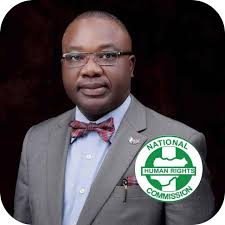
The Executive Secretary of the National Human Rights Commission, Dr. Tony Ojuku, has issued a strong call for sweeping reforms in police operations across the Federal Capital Territory, warning that human rights violations and outdated policing methods continue to undermine public confidence in law enforcement institutions.
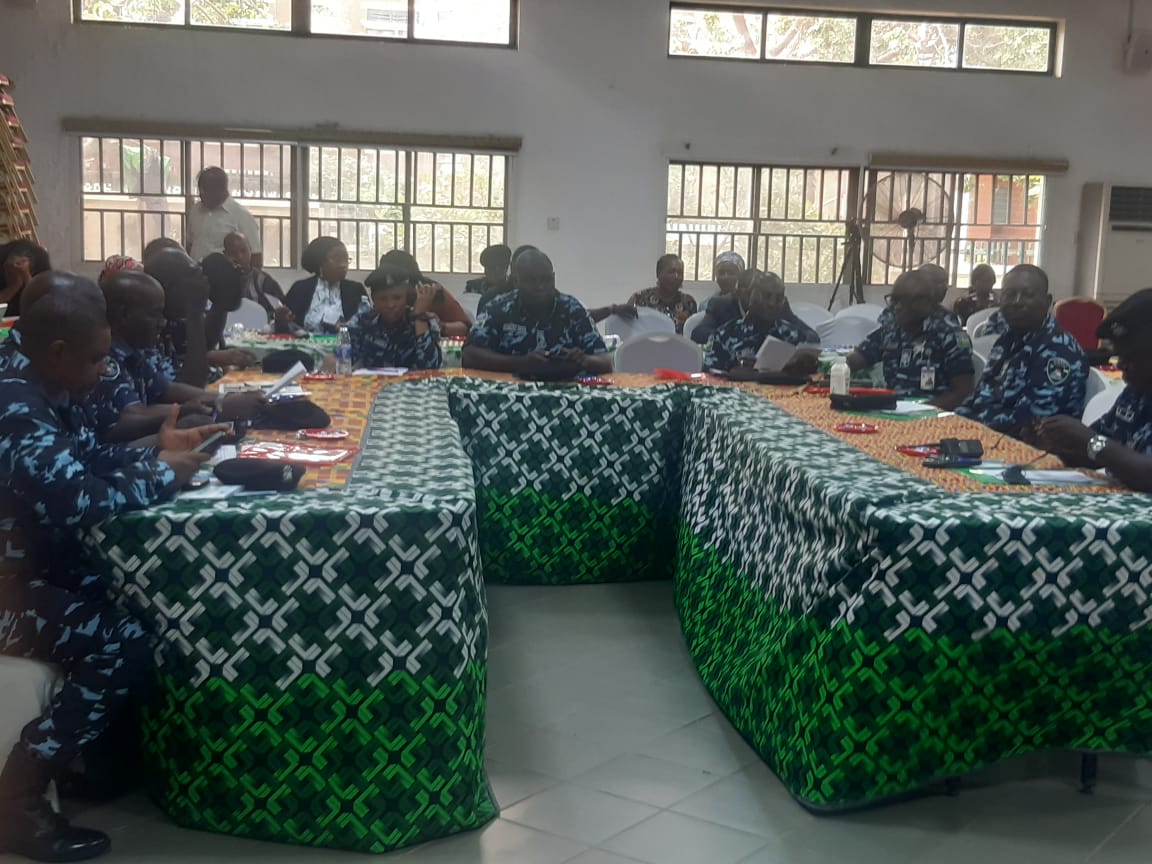
Speaking during a town hall meeting involving senior police officers, regulatory authorities and human rights stakeholders in Abuja, Ojuku said the newly reviewed policing regulations were designed to strengthen accountability, protect officers from legal liability and align policing practices with international human rights standards.
The NHRC boss stressed that the Commission played a direct role in the formulation of the updated regulations because of the critical role they would play in redefining professional conduct within the Nigeria Police Force.
According to him, the regulations are “not merely administrative rules” but operational standards meant to guide officers, especially Divisional Police Officers (DPOs), in carrying out their constitutional responsibilities within the framework of the law.
NHRC Raises Concern Over Abuse of Police Powers
Ojuku warned that the operational conduct of police officers at station level remains a major determinant of public trust in government institutions, noting that abuse of power, unlawful detention and torture allegations have continued to stain the image of law enforcement agencies.
He stated that police stations represent the frontline of justice administration where the relationship between citizens and the state is either strengthened or destroyed.
“The station level is where the social contract is either signed or shredded,” he declared.
The human rights advocate urged DPOs to fully comply with the provisions of the Administration of Criminal Justice Act and the Anti-Torture Act, insisting that adherence to the laws would accelerate the transition from confession-driven policing to intelligence-led policing.
According to him, such a shift would not only protect citizens from abuses but also shield officers from litigation and professional misconduct allegations.
Push for Intelligence-Led Policing
The NHRC Executive Secretary emphasized that modern policing can no longer rely on forced confessions, intimidation or arbitrary practices, arguing that intelligence gathering and lawful investigation procedures remain the globally accepted standards for effective crime control.
He described DPOs as the “primary gatekeepers of justice,” saying their actions directly shape citizens’ perception of the Nigerian justice system.
Security analysts at the meeting observed that the renewed emphasis on intelligence-led policing comes amid growing scrutiny of police conduct nationwide, particularly following repeated allegations of unlawful arrests, extortion and custodial abuse.
PSC, IGP Leadership, NHRC Present United Front
Ojuku also highlighted the significance of the joint presence of the Police Service Commission, the leadership of the Nigeria Police Force and the NHRC at the meeting, describing it as evidence of increasing institutional cooperation on police reform and human rights enforcement.
He rejected perceptions of rivalry between oversight institutions and security agencies, insisting that both sides share a common objective of building a safer and more equitable society.
“Effective policing and the protection of human rights are two sides of the same coin,” he said.
He further argued that public cooperation with law enforcement agencies can only be sustained when citizens believe their dignity and constitutional rights will be respected.
Call for Officers to Expose Operational Challenges
In what appeared to be an unusual appeal for internal transparency, Ojuku urged police officers in attendance to openly discuss the operational and systemic difficulties confronting policing in the FCT.
He said the gathering provided a rare opportunity for grassroots officers to communicate directly with top policy authorities and ensure that reforms introduced at ministerial level produce measurable results at station level.
Observers say the appeal underscores persistent concerns about inadequate funding, poor welfare conditions, training deficits and logistical constraints facing officers across the country.
Rule of Law Central to National Stability — NHRC
Closing the session, Ojuku maintained that adherence to the rule of law remains essential to democratic stability and national cohesion.
“By aligning our methods with the rule of law, we do not just police a population; we serve a nation,” he stated while formally declaring the town hall meeting open.
The event forms part of broader efforts by rights institutions and security agencies to deepen police accountability and restore public confidence in Nigeria’s criminal justice system amid rising demands for reform.
The latest intervention by the NHRC signals mounting institutional pressure for a transformation of policing culture in Nigeria, particularly at the operational command level where allegations of rights violations frequently emerge. Whether the renewed commitment by the police hierarchy and oversight agencies translates into measurable reform on the streets may ultimately determine the credibility of Nigeria’s justice system in the eyes of citizens.






Leave a Reply