
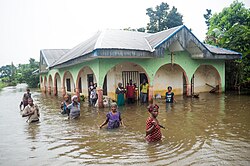
Recurring Disaster, Rising Toll
By Ebere Oialor
As Nigeria prepaars to enter another rainy season, state governments are once again under intense scrutiny following a wave of flood incidents that have displaced thousands and destroyed livelihoods across several regions. From riverine communities in Bayelsa State to agrarian settlements in Benue State and urban corridors in Lagos State, the pattern is familiar—overflowing rivers, submerged homes, and overwhelmed drainage systems.
Data from the National Emergency Management Agency indicates that seasonal flooding continues to affect millions annually, with climate variability and unregulated urban expansion compounding the crisis. In many affected areas, residents report receiving little or no warning before floodwaters surge into homes, forcing hurried evacuations and leaving properties at the mercy of rising tides.
Response Gaps Expose Structural Weaknesses
Despite recurring disasters, state-level responses have been widely criticised as reactive rather than preventive. Emergency interventions—often limited to relief material distribution—tend to come after significant damage has already occurred. Analysts argue that this pattern underscores deeper governance challenges, including poor urban planning, weak enforcement of environmental regulations, and chronic underinvestment in drainage and water management infrastructure.
In several states, blocked waterways and illegal structures built along floodplains continue to exacerbate the impact of heavy rainfall. Yet, enforcement actions are often inconsistent or politicised, allowing high-risk developments to persist. Experts in environmental management warn that without sustained pre-emptive measures—such as dredging rivers, clearing drainage channels, and relocating vulnerable communities—flooding will remain a predictable annual emergency.
Coordination between state agencies and federal bodies like the National Emergency Management Agency has also come under question. Delays in response time, duplication of efforts, and inadequate data sharing have, in some cases, slowed rescue operations and relief distribution. Meanwhile, early warning systems, where they exist, are often poorly communicated to local populations, limiting their effectiveness.
Citizens Demand Preparedness, Not Promises
For citizens, the expectation is shifting from post-disaster relief to proactive risk management. Communities in flood-prone areas are increasingly calling for clear, actionable plans that prioritise prevention over emergency response. This includes investment in resilient infrastructure, strict land-use policies, and transparent dissemination of weather and flood forecasts.
There is also growing demand for accountability. Residents want to see budgetary allocations for flood control translated into visible projects and measurable outcomes. Civil society groups have urged state governments to publish detailed flood preparedness strategies ahead of peak rainfall periods, allowing citizens to track implementation and hold officials accountable.
Ultimately, the recurring flood crisis is testing the capacity and political will of state governments to protect lives and property. As climate pressures intensify, incremental fixes may no longer suffice. What citizens expect now is a shift from crisis management to long-term resilience—where governance is measured not by how quickly relief arrives, but by how effectively disasters are prevented.












Leave a Reply