
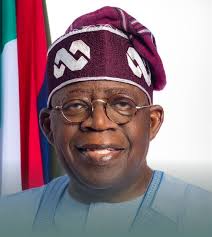
President signals new minimum wage bill to National Assembly as labour unions, economic experts, and struggling Nigerians debate whether proposed figures can match inflation realities
By Moureen Dogo / ABUJA, Nigeria / June 13, 2024
President Bola Ahmed Tinubu has pledged to approve a new national minimum wage that the Nigerian government and employers can “sustain,” amid mounting economic hardship, inflationary pressure, and unresolved negotiations between organised labour and the Federal Government.
The President made the declaration during a dinner in Abuja commemorating Nigeria’s 25 years of uninterrupted democratic governance, where he also signalled that an Executive Bill on the proposed wage increase would soon be transmitted to the National Assembly.
Tinubu’s comments come at a politically sensitive period marked by surging food prices, fuel subsidy removal aftershocks, naira instability, and growing nationwide frustration over declining purchasing power.
Tinubu Signals Imminent Minimum Wage Bill
Addressing political leaders and senior government officials at the Democracy Day event, Tinubu said discussions around the new wage structure were nearing legislative action.
The President specifically referenced Senate President Godswill Akpabio and Deputy Senate President Barau Jibrin, indicating that both lawmakers would soon receive the executive proposal.
“The minimum wage will be what Nigerians can afford, what you can afford, and what I can afford,” Tinubu stated.
His remarks immediately triggered mixed reactions from labour groups and economic observers, many of whom questioned what the administration considers “affordable” in an economy battling record inflation and declining household income.
Labour, Government Still Far Apart
Negotiations between organised labour and government representatives have remained deadlocked despite several rounds of discussions.
The Nigeria Labour Congress (NLC) and Trade Union Congress (TUC) had initially demanded a new minimum wage of ₦494,000 before later reducing their position to ₦250,000.
Government negotiators, however, reportedly increased their offer marginally from ₦60,000 to ₦62,000.
The sharp gap between both positions highlights the deepening tension between labour expectations and fiscal realities confronting federal and state governments.
Economic analysts note that even ₦62,000 falls significantly below what many households require to survive current inflation levels.
Economic Hardship Driving Wage Pressure
The minimum wage debate has become a major political and economic flashpoint since the removal of fuel subsidies and foreign exchange reforms introduced by Tinubu’s administration.
Food inflation, transportation costs, rent, electricity tariffs, and healthcare expenses have surged dramatically over the past year, eroding workers’ purchasing power.
According to economic observers, the current national minimum wage framework no longer reflects prevailing economic realities.
Many workers across both public and private sectors argue that existing wages can no longer sustain basic living expenses.
Tinubu Links Food Crisis To Insecurity
Beyond wage discussions, Tinubu also vowed to tackle rising food prices by addressing insecurity and banditry affecting farming communities across Nigeria.
The President blamed worsening agricultural output partly on attacks by armed groups that have displaced farmers from their lands, particularly in northern regions.
Security experts say insecurity remains one of the major structural threats to Nigeria’s food supply chain and rural economy.
Large-scale displacement of farming communities has significantly affected agricultural productivity, contributing to escalating food inflation nationwide.
Democracy Day Speech Carries Political Undertones
During the Democracy Day commemoration, Tinubu paid tribute to late democracy icon Moshood Kashimawo Olawale Abiola and other pro-democracy activists.
The President also appealed for public patience and support for his administration’s economic reform agenda, insisting that difficult policies were necessary for long-term national recovery.
However, critics argue that many Nigerians are yet to see tangible relief from the reforms despite worsening living conditions.
Sustainability Versus Living Wage Debate
The President’s emphasis on a “sustainable” minimum wage has reopened broader debates about balancing fiscal responsibility with social welfare obligations.
Several state governors have privately expressed concerns about their ability to implement significantly higher wage structures due to dwindling revenues and rising debt burdens.
Labour unions, however, insist that sustainability arguments should not justify wages that leave workers trapped in poverty.
Policy experts warn that failure to reach a broadly acceptable compromise could trigger industrial actions capable of disrupting public services and economic activities.
National Assembly Set To Play Key Role
With reports indicating that the executive bill could soon reach lawmakers, the National Assembly is expected to become the next battleground in the wage debate.
Legislators may face pressure from labour groups, civil society organisations, and constituents demanding a wage structure that reflects prevailing economic hardship.
Analysts also expect intense scrutiny over the fiscal implications of any approved wage increase for federal allocations, state budgets, and private sector compliance.
President Tinubu’s promise of an “affordable” minimum wage has intensified national debate over economic survival, governance priorities, and workers’ welfare in Nigeria’s struggling economy.
As negotiations continue and the proposed legislation heads toward the National Assembly, millions of Nigerians remain focused on one central question — whether the eventual wage structure will genuinely improve living conditions or merely offer symbolic relief amid deepening economic hardship.
For many workers battling soaring inflation and shrinking incomes, the outcome of the negotiations may become one of the defining economic tests of Tinubu’s presidency.







Leave a Reply