
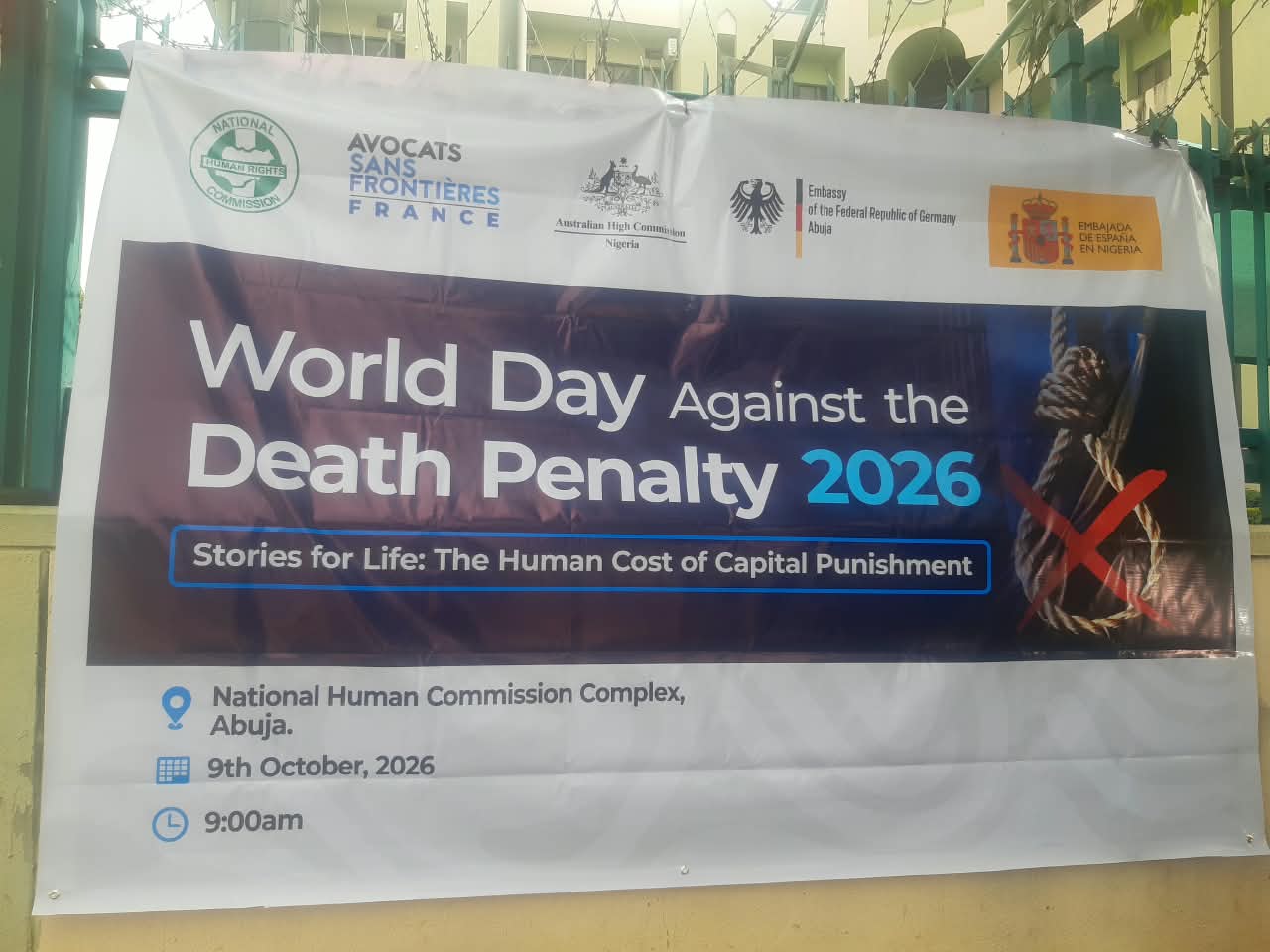
As Nigeria approaches a decade without carrying out a state execution, the National Human Rights Commission and international partners call for a formal moratorium, legislative review, possible commutation of death sentences and stronger safeguards against wrongful convictions.
A1NEWS International
ABUJA, Nigeria — October 9, 2026.
Nigeria is approaching a significant milestone in its administration of capital punishment, with the country expected to complete 10 consecutive years without a state execution by December 2026. The development has renewed calls for a comprehensive review of the death penalty system, including the possibility of a formal moratorium on executions and measures to address the situation of thousands of inmates sentenced to death.
The National Human Rights Commission (NHRC), supported by diplomatic representatives from Australia, Spain and Germany, raised the concerns during an event commemorating the 2026 World Day Against the Death Penalty.
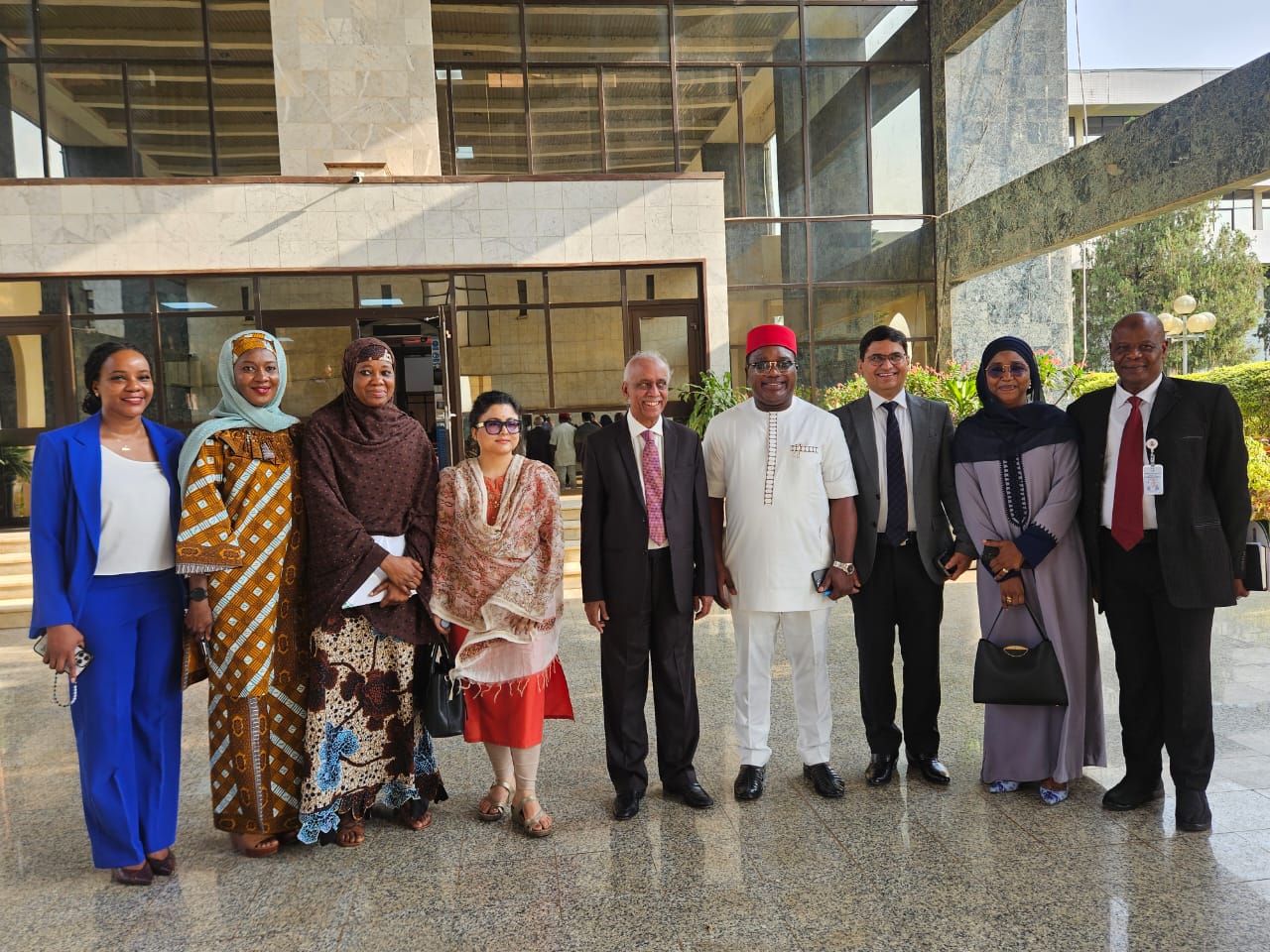
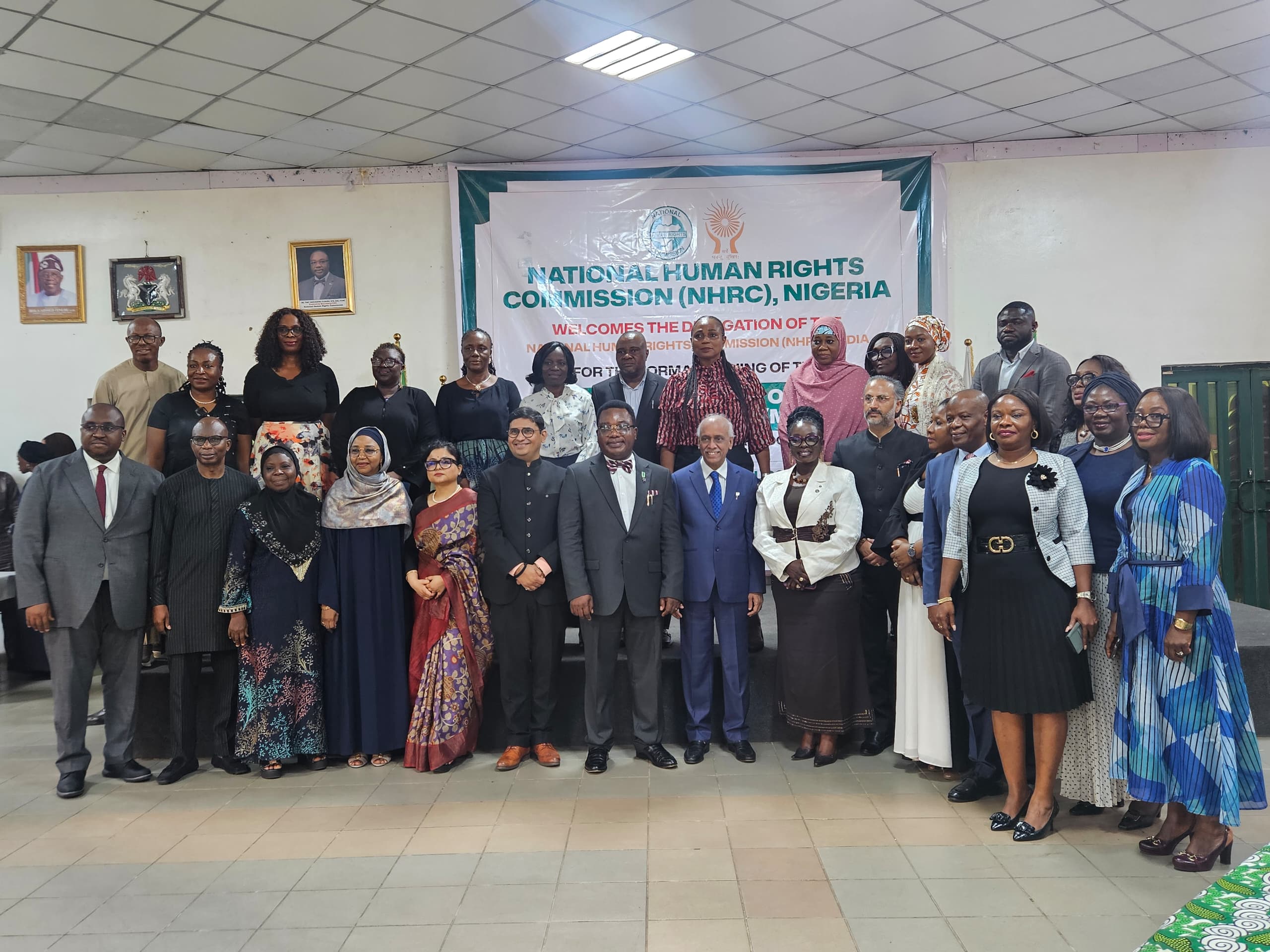
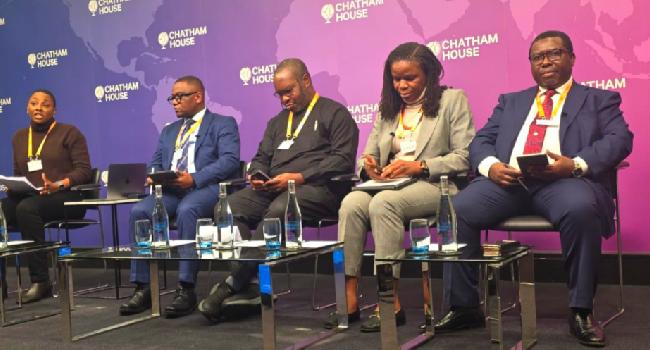
The gathering, organised ahead of the annual observance on October 10, brought together representatives of government institutions, the judiciary, diplomatic missions, legal practitioners, correctional authorities, civil society organisations and human rights advocates.
Under the theme “Stories for Life,” participants examined the legal, ethical and practical implications of capital punishment, with particular emphasis on fair trials, human dignity, judicial accountability and the irreversible consequences of wrongful convictions.
The discussions also focused on the need to reconcile the pursuit of justice for victims of serious crimes with the protection of fundamental rights and the prevention of miscarriages of justice.
NIGERIA’S APPROACHING DECADE WITHOUT EXECUTIONS
Nigeria’s expected completion of 10 years without a state execution in December 2026 has become a focal point in the renewed debate over capital punishment.
Australia’s High Commissioner to Nigeria, Leilani Bin-Judah, described the approaching milestone as an opportunity for the country to consider further reforms to its criminal justice system.
While acknowledging the significance of the prolonged absence of executions, she drew attention to the reported presence of more than 3,500 people under death sentences, whose cases continue to raise questions about the administration of justice and the future of capital punishment.
The Australian envoy argued that the central issue was not simply how Nigeria should mark the milestone, but how the country could use it to strengthen its justice system and establish a clearer policy direction.
Australia maintains an unconditional opposition to the death penalty and supports its abolition worldwide.
Bin-Judah encouraged Nigerian authorities to consider formalising the country’s existing practice of not carrying out executions while reviewing the scope of offences punishable by death.
Such an approach, she indicated, could provide an opportunity for a broader examination of the country’s capital punishment framework without disregarding Nigeria’s sovereignty, legal institutions or domestic decision-making processes.
The reported figure of more than 3,500 death-row inmates should, however, be confirmed against current official correctional service records before publication.
NHRC CALLS FOR COMPREHENSIVE REVIEW OF CAPITAL PUNISHMENT
The National Human Rights Commission used the commemoration to highlight legal and procedural concerns associated with the continued application of the death penalty in Nigeria.
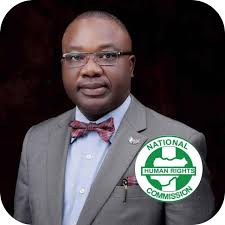
The Commission was represented by its Director of Legal Services and Enforcement, Hajia Rabi Awad, who delivered an address on behalf of its Executive Secretary and Chief Executive Officer, Dr Anthony Okechukwu Ojukwu, SAN, OFR.
The Commission’s position centred on the relationship between the constitutional protection of life, the right to human dignity and the legal framework governing capital punishment.
Although the death penalty remains available for certain offences under Nigerian law, the NHRC stressed the importance of ensuring that criminal proceedings comply with constitutional guarantees, fair-trial standards and due-process requirements.
The Commission identified concerns relating to inadequate access to legal representation, prolonged pre-trial detention and allegations of forced confessions or convictions as issues requiring sustained attention within the justice system.
These concerns assume particular importance in capital cases, where the consequences of an erroneous conviction may be irreversible if an execution is carried out.
The Commission called for the approaching decade without executions to serve as an opportunity to reassess the operation of the death penalty framework and strengthen the safeguards governing criminal investigations, prosecutions, trials and appeals.
It also advocated a formal moratorium on executions and a review of relevant legislation and sentencing provisions.
The proposed reforms would require consideration by the appropriate Nigerian authorities in accordance with the Constitution and applicable laws.
SPAIN URGES COMMUTATION OF DEATH SENTENCES
Spain’s Ambassador to Nigeria, Félix Costales Artieda, reiterated his country’s categorical opposition to capital punishment, describing the right to life as fundamental to the enjoyment and protection of other human rights.
The ambassador raised concerns about the irreversible nature of executions, particularly in cases where subsequent evidence may establish that a conviction was unsafe or that an accused person was wrongly sentenced.
He also questioned claims that the death penalty provides a stronger deterrent to serious crime than alternative criminal sanctions.
According to the position presented by the Spanish envoy, the possibility of judicial error remains a central consideration in assessing whether capital punishment is compatible with a justice system committed to protecting fundamental rights.
Costales Artieda commended Nigeria for approaching a decade without executions but expressed concern about the thousands of inmates who reportedly remain under death sentences.
He urged the Nigerian authorities to consider lawful mechanisms for commuting existing death sentences to alternative penalties, including life imprisonment where appropriate.
The ambassador also called for a review of the range of offences attracting capital punishment and the application of mandatory death sentences.
He maintained that reviewing capital punishment would not necessarily weaken the authority of the Nigerian state or undermine accountability for serious crimes.
Instead, he argued that reforms could strengthen confidence in the country’s legal institutions while demonstrating a commitment to human dignity and the protection of fundamental rights.
The recommendations reflect Spain’s position on capital punishment and constitute proposals for consideration within Nigeria’s own constitutional and legislative framework.
GERMANY EMPHASISES HUMAN DIGNITY AND THE EXPERIENCES OF VICTIMS
Representing the German Embassy, Political Counsellor Lorena Mohr said discussions about capital punishment should extend beyond abstract legal arguments to consider the human experiences of defendants, victims and their families.
She acknowledged that people affected by serious crimes deserve justice, recognition, access to the truth and appropriate support.
However, she argued that the legitimate interests of victims and their families should not automatically be equated with the execution of convicted persons.
Mohr encouraged participants to consider the individual circumstances behind death sentences and the wider consequences of state-sanctioned executions.
She also recognised that countries have different legal traditions, histories, institutions and public attitudes towards capital punishment.
International engagement, she indicated, should therefore respect Nigeria’s institutions and domestic decision-making processes while encouraging constructive dialogue on human rights and criminal justice reform.
Germany opposes the death penalty, and its representative expressed hope that Nigeria’s approaching decade without executions would provide an opportunity to advance discussions on possible reforms.
She also acknowledged the contributions of the NHRC, the Australian High Commission, the Spanish Embassy and other participating organisations to the commemoration.
WRONGFUL CONVICTIONS RAISE QUESTIONS ABOUT JUDICIAL SAFEGUARDS
The risk of wrongful convictions emerged as a recurring concern during the discussions.
Participants highlighted the difficulty of reversing the consequences of a judicial error after an execution has taken place.
The concerns raised included access to competent legal representation, the reliability of evidence, the circumstances under which confessions are obtained, the independence of judicial proceedings and the availability of effective appeals.
These issues are particularly significant in capital cases because a conviction may lead to a punishment that cannot be reversed once carried out.
The NHRC’s emphasis on procedural safeguards also reflects a broader challenge facing the criminal justice system: ensuring that the seriousness of an alleged offence does not diminish the obligation to uphold the rights of the accused.
Fair-trial guarantees require criminal proceedings to comply with applicable legal standards, including the right to legal representation, the presumption of innocence and the opportunity to challenge prosecution evidence.
For death-row inmates, access to effective legal assistance and meaningful review of convictions and sentences can be especially consequential.
The discussions also underscored the importance of judicial accountability and institutional mechanisms capable of identifying and correcting miscarriages of justice.
Participants maintained that the pursuit of accountability for serious crimes and the protection of fundamental rights should not be treated as mutually exclusive objectives.
FORMAL MORATORIUM AND LEGISLATIVE REVIEW ON THE AGENDA
A central recommendation emerging from the commemoration was that Nigeria should consider translating its prolonged period without executions into a more clearly defined policy framework.
The proposals highlighted by the NHRC and international representatives included several possible areas of reform.
1. Formalise a moratorium on executions
The government was urged to consider a formal policy suspending executions while the relevant authorities examine the country’s capital punishment framework.
Such a measure would need to be established through the appropriate legal and institutional processes.
A moratorium would not, by itself, abolish the death penalty or automatically invalidate existing death sentences.
2. Review offences punishable by death
Participants called for a review of the offences attracting capital punishment and the provisions governing mandatory death sentences.
The objective would be to examine whether the current framework requires legislative adjustments and whether greater sentencing discretion should be considered.
Any amendment would have to comply with the applicable constitutional procedures and the legislative authority of the relevant governments.
3. Consider commutation of existing death sentences
The reported number of people on death row presents a further question for policymakers.
The diplomatic representatives urged Nigerian authorities to consider lawful options for commuting death sentences to alternative penalties, including life imprisonment where legally appropriate.
Any such action would have to follow the relevant constitutional, statutory and administrative procedures.
4. Strengthen fair-trial protections
The NHRC’s concerns about legal representation, criminal procedure and alleged forced convictions reinforced calls for stronger safeguards throughout the justice system.
Possible areas for attention include access to competent legal counsel, the handling of confessional statements, the reliability of evidence and effective appellate review.
5. Expand consultation on criminal justice reform
The discussions also highlighted the importance of sustained engagement among government institutions, the judiciary, correctional authorities, legal practitioners, civil society organisations and international partners.
Such engagement could help identify practical reforms while taking account of victims’ rights, public safety, constitutional requirements and the country’s existing legal framework.
The proposals remain recommendations rather than evidence that Nigeria has adopted a formal moratorium or commenced a comprehensive legislative review.
WORLD DAY AGAINST THE DEATH PENALTY: ‘STORIES FOR LIFE’
The 2026 commemoration was held under the theme “Stories for Life,” which placed the experiences of individuals, families and communities affected by death sentences at the centre of the discussion.
An interactive art exhibition formed part of the event, providing an additional platform for reflection on the human consequences of capital punishment.
The gathering brought together stakeholders from the judiciary, government institutions, diplomatic missions, legal and correctional services, civil society, the media and human rights organisations.
The programme provided an opportunity to examine the legal and ethical arguments surrounding the death penalty, as well as the practical implications for the administration of criminal justice.
By focusing on individual experiences, the theme encouraged participants to consider the effects of death sentences on defendants, their relatives, victims and affected communities.
The discussions also raised broader questions about the purpose of punishment, the protection of society and the capacity of justice institutions to deliver fair and reliable outcomes.
The event’s emphasis on human stories complemented the institutional calls for reforms by drawing attention to the individuals whose lives are directly affected by capital punishment decisions.
HUMAN RIGHTS AND CRIMINAL JUSTICE STAKEHOLDERS PARTICIPATE
The commemoration brought together representatives of national institutions, diplomatic missions and organisations working on human rights, legal advocacy and criminal justice.
Participants and institutional representatives identified in the supplied event information included:
National Human Rights Commission (NHRC): Dr Anthony Okechukwu Ojukwu, SAN, OFR, Executive Secretary and Chief Executive Officer; represented at the event by Hajia Rabi Awad, Director of Legal Services and Enforcement.
Australian High Commission: Leilani Bin-Judah, High Commissioner to Nigeria.
Embassy of Spain: Félix Costales Artieda, Ambassador to Nigeria.
Embassy of the Federal Republic of Germany: Lorena Mohr, Political Counsellor, representing the ambassador.
Avocats Sans Frontières France: Angela Uwandu Uzoma-Iwuchukwu, Country Head.
Nigerian Correctional Service: Comptroller-General Sylvester Nwakuche.
Nigerian Bar Association: Oyinkansola Badejo-Okusanya, SAN, President.
Amnesty International Nigeria: Country Director Isa Sanusi, identified in the supplied event information.
The participation of these institutions reflected the broad range of stakeholders involved in discussions about capital punishment, the administration of criminal justice and the protection of fundamental rights.
Their respective roles span human rights monitoring, legal advocacy, correctional administration, professional legal practice and international engagement.
Editorial note: The names, titles and institutional affiliations in this list should be checked against the official event programme before publication, particularly where the supplied transcription contains unclear spellings or incomplete references.
NIGERIA’S LEGAL POSITION: A MORATORIUM IS NOT ABOLITION
Despite the prolonged absence of state executions, Nigeria has not abolished capital punishment.
The distinction is central to understanding the current debate.
A country may retain the death penalty in its laws while refraining from carrying out executions for an extended period. A formal moratorium would establish a more explicit policy against executions, but would not necessarily remove death sentences from the legal system.
Abolition, by contrast, would require the relevant legal changes to eliminate capital punishment for the offences concerned.
Nigeria’s legal framework includes provisions permitting the death penalty for certain offences. The applicable provisions and procedures vary according to the relevant legislation and jurisdiction.
Consequently, any decision to abolish capital punishment, restrict its application, commute existing sentences or introduce a formal moratorium would need to be assessed against the Constitution and the laws governing the relevant authorities.
The debate also involves questions about the division of legislative powers, the role of the courts, executive powers of clemency and the legal status of existing death sentences.
These issues make a comprehensive review more complex than simply announcing an end to executions.
They also underline the need for accurate legal analysis before any proposed reform is presented as an established government policy.
WILL NIGERIA TURN A DECADE WITHOUT EXECUTIONS INTO REFORM?
Nigeria’s approaching decade without a state execution has renewed debate about the future of capital punishment and the safeguards governing the administration of criminal justice.
The NHRC and representatives of Australia, Spain and Germany have called for a formal moratorium, a review of death penalty legislation, consideration of commutation for existing death sentences and stronger protections against wrongful convictions.
Their recommendations place the treatment of death-row inmates alongside broader questions about fair trials, judicial accountability, victims’ rights and the protection of human dignity.
However, the country’s prolonged absence of executions does not amount to legal abolition, and the diplomatic calls do not establish that the Nigerian government has accepted or implemented the proposed reforms.
The next stage will depend on decisions by the appropriate Nigerian authorities, informed by the country’s constitutional arrangements, applicable laws and criminal justice priorities.
As December 2026 approaches, the central policy question is whether Nigeria will maintain its existing practice or use the milestone to undertake a more formal and comprehensive review of capital punishment.
For the NHRC and human rights advocates, the challenge remains to ensure that accountability for serious crimes is pursued through a justice system that protects fundamental rights, upholds fair-trial guarantees and reduces the risk of irreversible judicial errors.






Leave a Reply