
By Ndidi Ogenyi
ABUJA, Nigeria — August 5, 2026
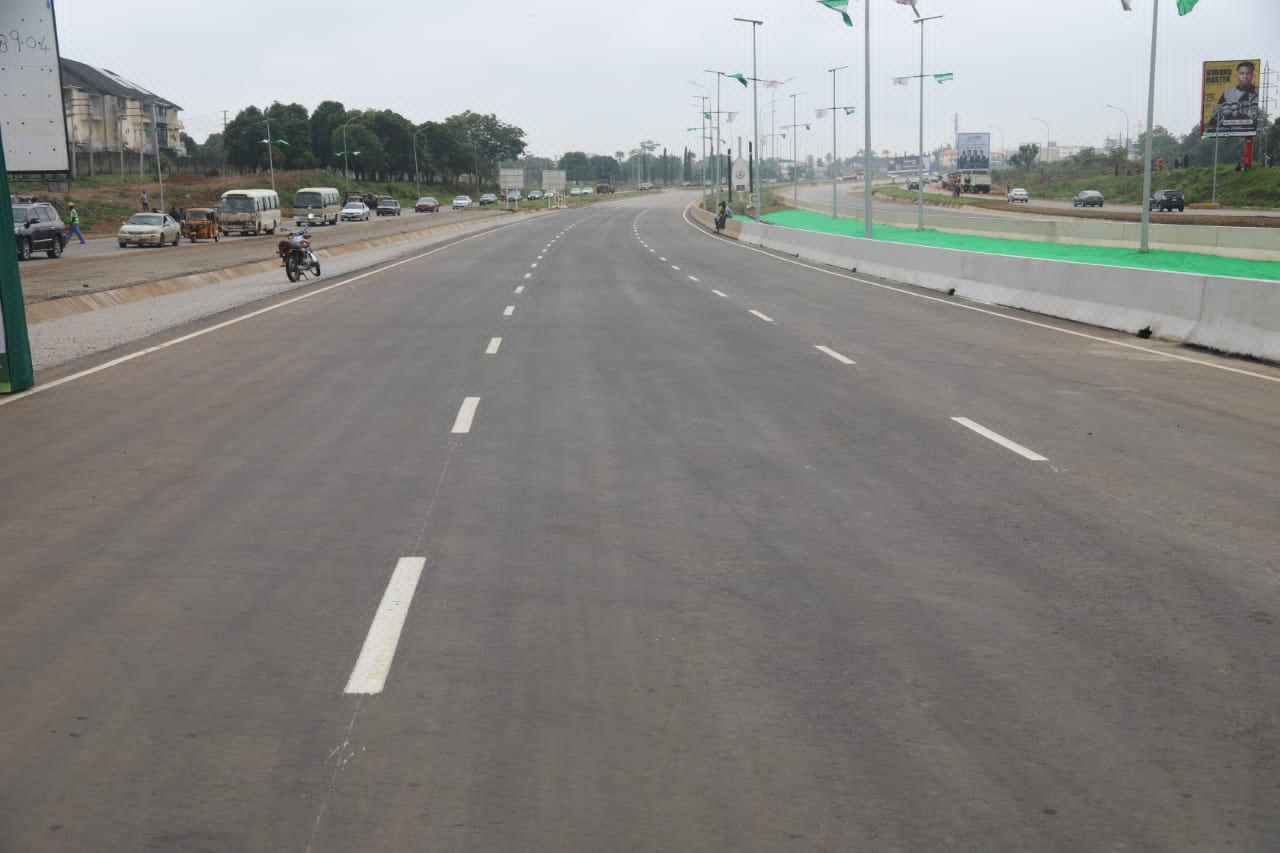
The Federal Government has earmarked ₦2.47 trillion in the proposed 2026 Appropriation Bill for the rehabilitation, reconstruction and expansion of 124 strategic roads across Nigeria in one of the country’s largest annual investments in transport infrastructure.
The projects, spread across the six geopolitical zones, are expected to improve connectivity between commercial centres, agricultural belts, industrial hubs and international border corridors, with government projecting that the investments will lower transportation costs, stimulate economic activities and strengthen national integration.
However, economists and infrastructure experts have warned that the ambitious programme will only achieve its intended impact if budget releases and project execution match the appropriations.
Strategic Roads Prioritised Across Nigeria
Analysis of the 2026 budget proposal shows that the Federal Government has prioritised roads considered critical to national economic growth and regional integration.
Among the flagship projects is the Abuja–Lokoja Highway, Nigeria’s busiest north-south transport corridor linking the Federal Capital Territory with several southern states.
The government has allocated ₦12.6 billion for the rehabilitation and reconstruction of the highway, which serves as the principal gateway for the movement of passengers, food supplies and manufactured goods.
Another major beneficiary is the Enugu–Port Harcourt Expressway, where ₦19.6 billion has been earmarked for Sections III and IV of the project.
The highway remains one of the South-East and South-South’s most important economic corridors, connecting industrial centres, seaports and commercial cities.
Northern Trade Routes Receive Major Funding
Northern Nigeria also features prominently in the infrastructure programme.
The Federal Government has allocated:
- ₦23.6 billion for the dualisation of the Kano–Katsina Road, a major commercial route linking Nigeria with the Niger Republic.
- ₦13.3 billion for the dualisation of the Borno–Kano Highway, expected to facilitate agricultural trade across Borno, Yobe, Bauchi and Jigawa States.
- ₦14 billion for the Kano Bypass.
- ₦7 billion for the Kano–Dayi Road.
- ₦6.3 billion for the FCET New Site–Bagwai–Gwarzo Road.
- ₦4.2 billion for the rehabilitation of the Kunya–Kanya–Barbura–Mutum Road in Jigawa State.
Analysts say these projects could significantly improve market access for farmers and strengthen regional commerce.
South-East, South-South Roads Get Significant Boost
Several strategic highways across southern Nigeria also received substantial allocations.
Among them are:
- ₦12.6 billion for the rehabilitation of the Onitsha–Owerri Road.
- ₦7.7 billion for the Aba–Owerri–Ikot Ekpene Road, linking commercial and industrial centres in Abia, Imo and Akwa Ibom States.
- ₦17.8 billion for the dualisation of Benin–Akure–Ilesha Road.
- ₦3.5 billion for the dualisation of the Bende–Ohafia Road, including construction of four bridges.
- ₦1.4 billion for access roads connecting the Second Niger Bridge to Onitsha and Asaba.
The projects are expected to improve interstate commerce and reduce travel time across the region.
Lagos, Ogun and Border Communities Benefit
The Federal Government also plans significant investments in roads supporting trade around Lagos and neighbouring states.
Key allocations include:
- ₦25.2 billion for the four sections of the Ota–Idiroko Road, a strategic corridor linking Nigeria to the Republic of Benin.
- ₦4.2 billion for the rehabilitation of the Gbagi–Apa–Owode Road in Badagry.
- ₦1.4 billion for the rehabilitation of the Ikorodu–Shagamu Road.
- ₦1.4 billion for repairs on the Iganmu Bridge, an important route connecting Lagos ports to the rest of the city.
Experts believe these investments could ease logistics bottlenecks around Nigeria’s busiest commercial centre.
Rural Roads and Agricultural Corridors Receive Attention
Beyond major highways, the budget includes several rural infrastructure projects aimed at boosting agricultural productivity.
Among them are:
- ₦1.75 billion for feeder roads serving farming communities in Kwara State.
- ₦4.2 billion for the Ibi Bridge in Taraba State.
- ₦7 billion for erosion and washout rehabilitation across Rivers, Delta and Akwa Ibom States.
- ₦7 billion for the Abeokuta–Ibooro Road.
- ₦3.5 billion for the upgrade of Ekiti Cargo Airport.
Government says these projects are intended to reduce post-harvest losses, improve rural connectivity and strengthen regional trade.
Infrastructure Gap Still Remains Wide
Despite the substantial budgetary allocation, experts say Nigeria continues to face a significant infrastructure deficit.
Current estimates place the country’s infrastructure stock at only 30–35 per cent of Gross Domestic Product (GDP)—far below the 70 per cent benchmark recommended by the World Bank for emerging middle-income economies.
Former Minister of Finance and Coordinating Minister of the Economy, Wale Edun, previously estimated Nigeria’s annual infrastructure financing gap at approximately $14 billion.
Meanwhile, economic research groups project that the deficit could rise to between $20 billion and $25 billion annually by 2035 if investment levels fail to keep pace with population growth and urbanisation.
Experts Warn Budget Implementation Is Key
While welcoming the proposed allocations, economists caution that appropriation alone does not guarantee infrastructure delivery.
Economic analyst Chukwunonso Iheoma noted that Nigeria has historically struggled with low budget implementation rates.
According to him, delays in releases, procurement bottlenecks and funding constraints often leave major projects unfinished.
He argued that the success of the 2026 road programme will depend on timely cash backing rather than the size of the budget itself.
Similarly, development experts say consistent project execution is essential if Nigeria hopes to reduce transport costs, improve competitiveness and attract greater private investment.
Road Infrastructure Seen as Economic Catalyst
Infrastructure specialists believe improved road networks could unlock significant economic opportunities across multiple sectors.
Efficient transport corridors are expected to:
- Reduce logistics and transportation costs.
- Improve access to local and international markets.
- Increase agricultural productivity.
- Enhance cross-border trade.
- Stimulate manufacturing and industrial development.
- Create jobs during construction and maintenance.
- Improve regional integration.
Business groups also argue that better roads could reduce travel time, minimise vehicle operating costs and improve supply chain efficiency.
The Federal Government’s decision to allocate ₦2.47 trillion for 124 strategic road projects underscores the importance of transport infrastructure in Nigeria’s economic recovery and long-term development strategy.
If fully implemented, the projects could significantly improve connectivity, strengthen interstate commerce and support agricultural and industrial productivity across the country.
However, analysts insist that the true measure of success will not be the size of the budget but the government’s ability to release funds on schedule, complete projects efficiently and ensure value for public expenditure.
As Nigeria continues to grapple with a widening infrastructure deficit, the implementation of the 2026 road programme is expected to serve as a key indicator of the country’s commitment to sustainable economic growth and national development.










Leave a Reply