
Stakeholders divided as proposed overhaul of human rights law faces scrutiny in Abuja
By A1 News International
Abuja, Nigeria — February 27, 2026
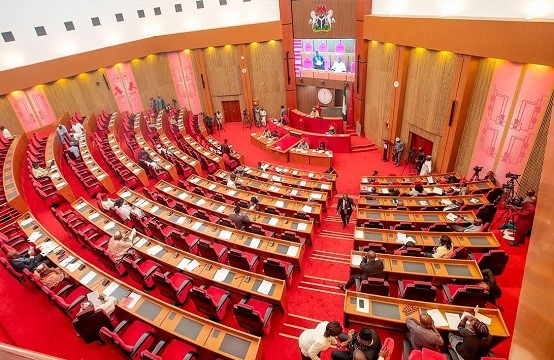
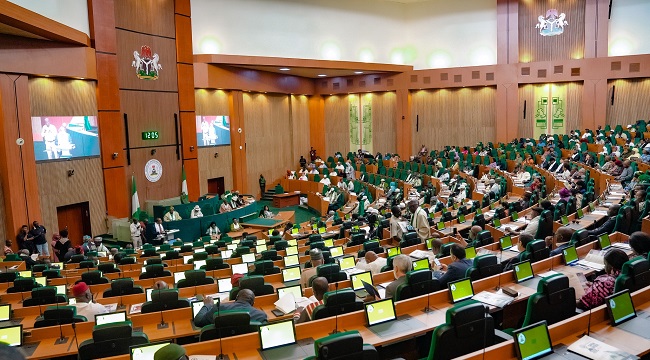
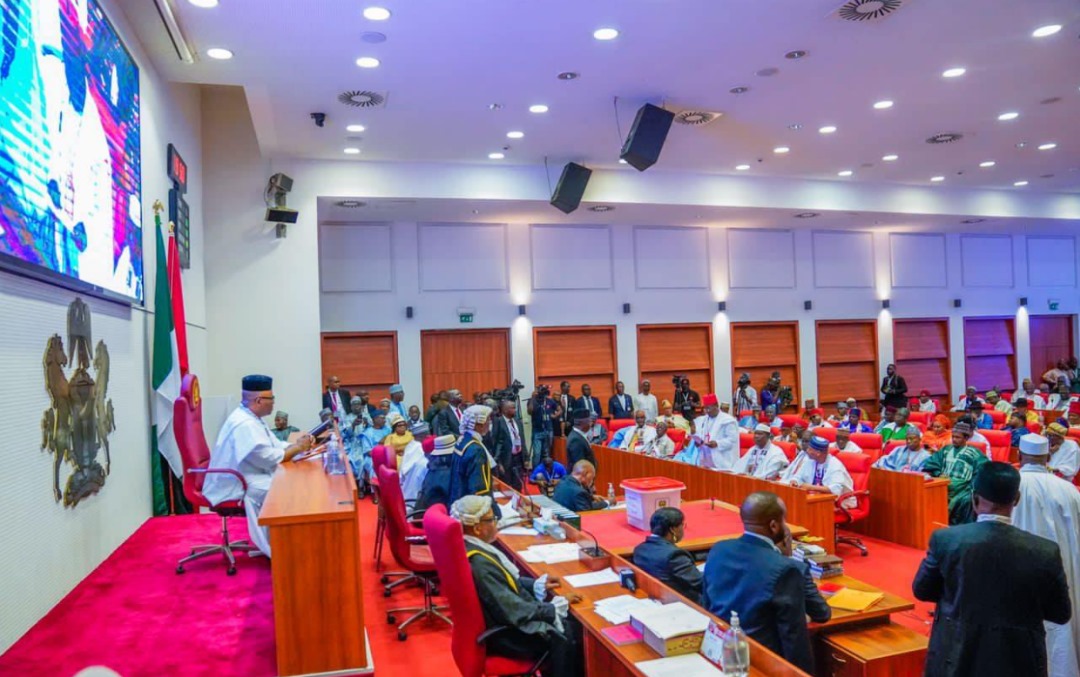
A proposed overhaul of Nigeria’s human rights legal framework has triggered sharp debate at the House of Representatives, as stakeholders clashed over whether reforming the National Human Rights Commission (NHRC) Act will strengthen accountability or duplicate existing laws. The public hearing in Abuja focused on expanding the Commission’s independence, funding autonomy, and protection for civic actors.
What Happened
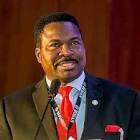
At the hearing, the Executive Secretary of the National Human Rights Commission, Tony Ojukwu, led arguments in support of the National Human Rights Commission Act (Repeal and Re-enactment) Bill, 2025.
Ojukwu told lawmakers that the proposed amendments are structural rather than cosmetic, aimed at repositioning the Commission to address evolving human rights challenges. He stressed the need for a legally backed Human Rights Fund to enable rapid intervention during crises.
The hearing also considered the Human Rights Defenders Protection Bill, 2024, which seeks to safeguard activists, whistleblowers, and civil society actors from intimidation.
Push for Institutional Strengthening
Central to the reform bill is the integration of a National Preventive Mechanism into the NHRC framework to enhance oversight of detention facilities nationwide.
The proposal also gives statutory backing to Nigeria’s National Action Plan on Business and Human Rights, targeting corporate accountability amid rising concerns over human rights violations linked to private sector activities.
A key provision seeks to formalise funding sources for a National Human Rights Fund, a move designed to reduce reliance on bureaucratic approvals and strengthen operational independence.
In a controversial clause, the bill proposes that future Executive Secretaries must emerge from within the Commission as qualified Directors, a shift intended to preserve institutional continuity.
Support from Lawmakers, International Partners
Speaker of the House, Tajudeen Abbas, represented by Useni Jalo, reaffirmed the National Assembly’s commitment to strengthening democratic institutions through legislative reforms.
Backing also came from the United Nations, with Resident and Humanitarian Coordinator Mohammed Malik Fall, represented by Ajuwa Kufour, noting that the reforms would align Nigeria with global standards, including the Paris Principles.
Chairman of the House Committee on Human Rights, Abiola Peter Makinde, pledged legislative backing for measures aimed at protecting civic space.
Civil society groups also voiced strong support. Clement Nwankwo of the Legal Policy and Advocacy Centre described the Human Rights Defenders Protection Bill as essential for safeguarding individuals confronting systemic injustice.
Justice Ministry Raises Concerns
However, the Federal Ministry of Justice cautioned against what it termed legislative duplication.
Representing the Attorney-General, Lateef Fagbemi, Chief State Counsel Imarha Oghenenyerowo Reuben argued that Nigeria’s challenge lies less in inadequate laws and more in weak enforcement.
He urged lawmakers to prioritise harmonisation and effective implementation of existing statutes rather than pursuing a full repeal of the NHRC Act.
Why It Matters
The debate highlights a critical policy dilemma: whether Nigeria’s human rights gaps stem from institutional weakness or enforcement failure. While stronger legal frameworks may enhance independence and funding, their impact ultimately depends on implementation capacity and political will.
The outcome of the legislative process will shape how effectively Nigeria protects civil liberties, regulates state and non-state actors, and responds to emerging rights challenges.
The development raises fresh concerns about accountability and oversight in Nigeria’s public institutions.

Leave a Reply