
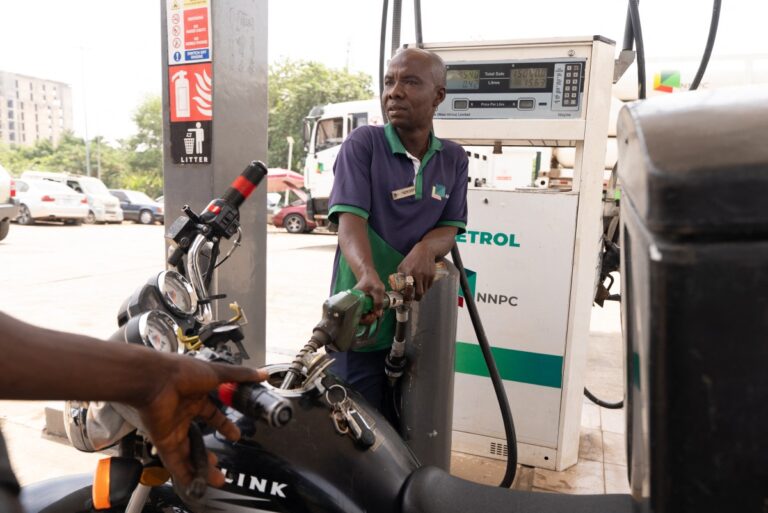
Rising energy costs deepen pressure on rural producers, driving up food prices and production expenses
By Baron Stanley Eloagu
Abuja, Nigeria — March 25, 2026
INTRODUCTION
As concerns over prospective fuel price adjustments ripple through Nigeria, small-scale agricultural businesses — a backbone of rural livelihoods and national food security — are preparing for potentially severe knock-on effects. Farmers, transporters and agro-input suppliers say rising petrol and diesel costs threaten input affordability, market access and profit margins, potentially reducing production and pushing food prices higher at a time when households are already vulnerable.
DIRECT COSTS AND INPUTS
Fuel is a direct expense for many small-scale farms. Diesel powers water pumps for irrigation, stationary engines for processing (milling, threshing), and small tractors or motorized tillers. An uptick in pump prices immediately increases operating costs:
- Irrigation and mechanized operations become more expensive, reducing hours of operation or forcing reliance on labor-intensive methods.
- Post-harvest processing and on-farm milling costs rise, reducing net returns for smallholders who partially process produce before sale.
- Higher transport fuel prices increase the cost of bringing seeds, fertilizers and agro-chemicals to farms, and of conveying produce to markets.
INPUT PRICES AND CREDIT STRESS
Many smallholders rely on purchased seeds, fertilizer and agro-chemical inputs. When fuel-related logistics costs rise, input merchants typically raise prices to protect margins. For small farmers who depend on seasonal credit or informal loans, higher input costs can increase borrowing needs, raise default risks, and limit the ability to invest in timely planting or proper input dosages — all of which can reduce yields.
MARKET ACCESS AND SPOILAGE
Increased transport costs shrink market access for producers in remote areas. Traders may reduce journeys to distant villages if margins fall, leaving farmers with lower local prices or fewer buyers. Perishable goods face heightened spoilage risk when transport is delayed or reduced, especially in regions lacking reliable cold chains—deepening losses for small-scale producers of vegetables, dairy and fish.
LABOR AND ADOPTION OF PRACTICES
Higher fuel prices often lead to substitution toward manual labor or lower-cost practices. While this can temporarily boost local labor demand, it can also slow farm operations, delay harvests, and lower productivity. Smallholders operating at thin margins may forgo labor-saving investments or defer adopting more efficient technologies that require fuel, hindering longer-term productivity gains.
PRICE TRANSMISSION AND FOOD INFLATION
As transport and input costs rise, price transmission can push consumer food prices higher, exacerbating food insecurity and reducing real incomes. For staple crops where smallholders are both producers and consumers, the effect is mixed: producer incomes may fall while consumer costs rise, worsening overall welfare for net-buying households.
VULNERABILITIES BY REGION AND COMMODITY
Impacts will vary:
- Rainfed staple farmers in core growing belts may be less exposed to irrigation fuel costs but face higher transport and input expenses.
- Horticulture and perishable-produce farmers, reliant on quick market access, are highly vulnerable to reduced transport frequency and higher costs.
- Livestock producers face higher feed and transport costs, affecting herd maintenance and market timing.
ADAPTATION STRATEGIES BEING ADOPTED
Small-scale farmers and local actors report several coping responses:
- Group transport arrangements and cooperative pooling of resources to share costs.
- Greater reliance on manual labor and seasonal labor schedules aligned to reduced mechanized hours.
- Delaying nonessential inputs or using smaller input quantities, with potential negative yield consequences.
- Increased use of local feed or alternative inputs when commercially supplied options become unaffordable.
POLICY IMPLICATIONS
Small-scale agriculture’s sensitivity to fuel prices means that any national decision on petroleum pricing should consider targeted support for rural producers. Potential policy responses include subsidized diesel for irrigation and processing, input support programs timed to planting seasons, voucher systems for smallholders, and investments in rural infrastructure and local processing to reduce transport dependencies.
QUOTES
“We run our irrigation pumps for five hours a day during the dry season. If diesel costs jump, we won’t afford that,” said a smallholder tomato farmer in Kano. “That means lower yields and income.”
A dealer in fertilizer in Oyo State noted: “Trucking costs have risen. I have to increase prices or sell smaller bags. Farmers complain they can’t buy what they need.”
CONCLUSION
Fuel price uncertainty threatens to magnify existing pressures on small-scale agricultural businesses, with potential consequences for productivity, rural incomes and national food prices. Targeted mitigation, reliable communication, and investments in fuel-efficient technologies and rural logistics are needed to protect livelihoods and food security if pump prices rise.













Leave a Reply