
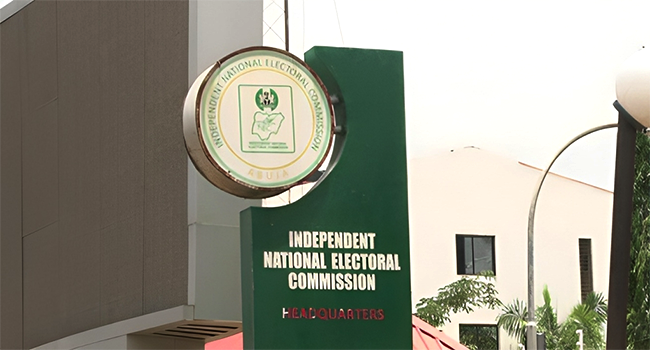
APC begins digital nomination process, PDP and Labour Party express confidence, while Ganduje, Hanga, Obi and Adeleke weigh in on Nigeria’s electoral landscape ahead of the 2027 general elections.
By John Ishaku
ABUJA, Nigeria — Political parties across Nigeria have entered a crucial phase in preparations for the 2027 general elections, with the ruling All Progressives Congress (APC), the Peoples Democratic Party (PDP) and the Labour Party (LP) expressing confidence that they will beat the Independent National Electoral Commission’s (INEC) deadline for submitting the names of governorship and State House of Assembly candidates.
Beyond the administrative exercise, the candidate upload process has become another indicator that the race for power in 2027 is gathering momentum, as leading politicians sharpen their narratives on electoral preparedness, party strength, opposition prospects and the credibility of Nigeria’s democratic institutions.
With the INEC Candidate Nomination Portal (ICNP) open from July 18 to August 8, political parties are under legal obligation to electronically submit the names and credentials of their candidates for governorship and state legislative elections.
Digital Race Against Time
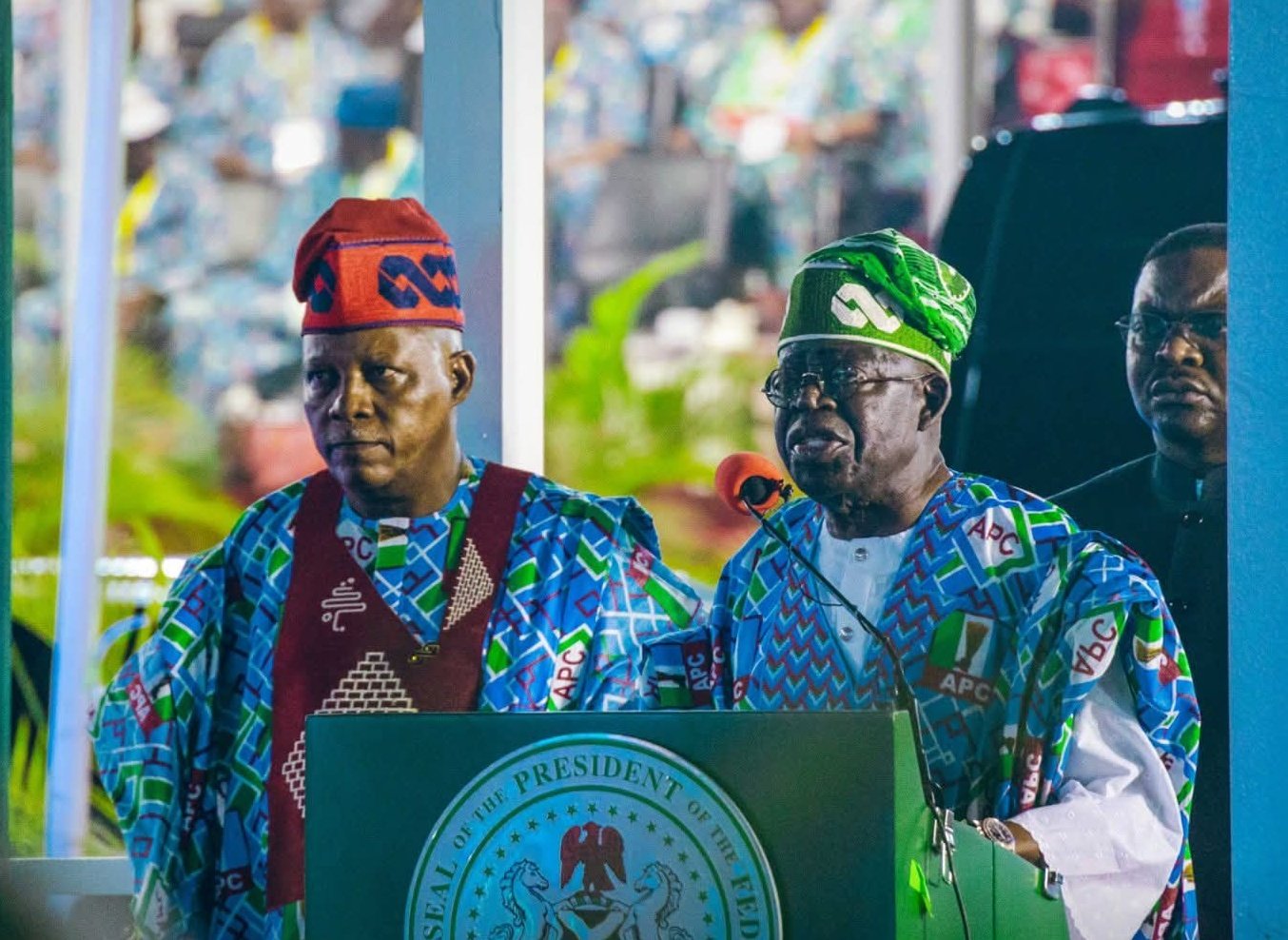
Investigations indicate that the APC has already commenced uploading candidates’ details through its Information and Communications Technology (ICT) department at the party’s national headquarters in Abuja.
Party officials disclosed that priority is being given to incumbent governors seeking second terms, alongside newly nominated governorship candidates across several states.
According to party sources, a dedicated verification committee has been established to scrutinise nomination documents before they are transmitted to INEC.
The committee is expected to ensure that documentation complies with electoral requirements, reducing the possibility of disqualification arising from technical errors or incomplete submissions.
An APC official familiar with the process said the party was determined to complete the exercise well before the statutory deadline.
“Our objective is to eliminate avoidable mistakes and ensure every nominated candidate is properly uploaded in accordance with INEC’s guidelines,” the source said.
The APC is expected to upload 28 governorship candidates and approximately 993 State House of Assembly candidates nationwide.
PDP, Labour Party Express Confidence
Officials of the Peoples Democratic Party (PDP) also dismissed concerns about the timeline.
The party confirmed that it had already received the necessary electronic access credentials from INEC and had commenced uploading candidates’ information.
PDP National Publicity Secretary, Jungudo Haruna Mohammed, said the party had deployed sufficient personnel to complete the exercise without difficulty.
Similarly, officials of the Labour Party said they had received their access codes and were prepared to comply fully with INEC’s nomination procedures.
Party officials maintained that possessing the official portal credentials was the critical requirement and expressed confidence that the submission process would be completed within the prescribed period.
Why the Candidate Upload Matters
Election analysts note that the electronic nomination portal represents one of INEC’s most important reforms aimed at improving transparency, reducing paperwork and minimising disputes over candidate submissions.
Once uploaded, candidate information becomes part of the commission’s official nomination records and forms the basis for subsequent screening and publication.
Legal experts say failure to comply with the deadline or submission requirements could expose political parties to litigation and possible exclusion of affected candidates.
Political Campaigns Shift Into Higher Gear
As parties conclude candidate nominations, political rhetoric has intensified.
Former APC National Chairman Umar Abdullahi Ganduje argued that President Bola Tinubu remains politically well-positioned ahead of the 2027 presidential election.
Speaking at a public engagement in Kano, Ganduje questioned whether leading opposition figures possessed sufficient political structures across Northern Nigeria to defeat the incumbent president.
According to him, electoral success requires deep grassroots mobilisation beyond regional popularity.
Ganduje also advocated stricter requirements for political party registration, arguing that only parties with functional national structures and clearly defined ideological identities should participate in elections.
Political observers note that similar proposals have generated debate over whether tighter registration rules would strengthen Nigeria’s democracy or reduce political pluralism.
Hanga Questions Opposition’s Electoral Strength
Former Kano Central Senator Rufa’i Hanga also expressed doubts about the electoral prospects of the Nigerian Democratic Congress (NDC).
During a radio interview, Hanga argued that regional political influence alone would not be sufficient to secure national victory.
He suggested that coalition arithmetic remains fluid and that voting patterns across Northern Nigeria would play a decisive role in determining the outcome of the presidential election.
Hanga further commented on speculation surrounding his political future, dismissing suggestions that pursuing a different political path should automatically be interpreted as political betrayal.
His remarks come amid continuing realignments among opposition parties seeking to build viable electoral coalitions before 2027.
Obi Calls for Public Confidence in Electoral Process
Meanwhile, NDC presidential candidate Peter Obi urged Nigerians not to prejudge the leadership of INEC before the conduct of the elections.
Speaking during an interview in Germany, Obi described the electoral commission as an umpire whose performance should be assessed by its conduct rather than assumptions.
He said he had not interacted with the current INEC Chairman since the appointment and therefore could not speculate about how the commission would perform.
Obi also encouraged young Nigerians to participate actively in the electoral process, arguing that democratic participation remains essential to national development.
According to him, the quality of governance ultimately depends on citizens’ commitment to defending electoral integrity.
Deji Adeleke Raises Concerns Over Polling Unit Integrity
Businessman and Chancellor of Adeleke University, Dr. Deji Adeleke, argued that responsibility for credible elections extends beyond the leadership of INEC.
Speaking during the university’s convocation ceremony in Osun State, Adeleke alleged that electoral malpractice frequently occurs at polling-unit level through the actions of some election officials and security personnel.
He contended that no INEC chairman could personally supervise every polling unit nationwide and urged all stakeholders involved in election management to uphold professional standards.
Adeleke also called on judicial officers and security agencies to strengthen public confidence by ensuring accountability throughout the electoral process.
Experts: Administrative Readiness Is Only One Part of Credible Elections
Election governance experts note that while digital candidate nomination has significantly modernised Nigeria’s electoral administration, broader concerns remain.
These include:
- Electoral security.
- Transparency in vote collation.
- Independence of electoral institutions.
- Internal democracy within political parties.
- Timely resolution of pre-election disputes.
- Public trust in election outcomes.
Analysts argue that technological improvements alone cannot guarantee credible elections unless accompanied by institutional accountability and political commitment to democratic norms.
Growing Political Momentum Toward 2027
Although official nationwide campaigns are yet to begin, political activities across party lines suggest that preparations for the 2027 elections are accelerating.
Candidate nominations, coalition discussions, internal party negotiations and public statements by political leaders are increasingly shaping public expectations ahead of what many observers describe as one of Nigeria’s most consequential electoral contests.
Attention is expected to shift in the coming months from candidate submissions to manifesto presentations, issue-based campaigns and the legal scrutiny of party nominations.
With less than a month remaining before INEC closes its candidate nomination portal, Nigeria’s major political parties appear determined to avoid administrative setbacks that could affect their participation in the 2027 elections.
While the APC, PDP and Labour Party project confidence in meeting the deadline, broader political debates surrounding party structures, opposition alliances, electoral credibility and democratic reforms continue to dominate national discourse.
As preparations intensify, the coming weeks are expected to test not only the organisational capacity of political parties but also the resilience of Nigeria’s electoral institutions as the country moves steadily toward another pivotal democratic transition.








Leave a Reply