
FCT Minister reviews key infrastructure, defends executive role in judiciary development
By A1 News International | Abuja, Nigeria
The Minister of the Federal Capital Territory (FCT), Nyesom Wike, has inspected major judicial infrastructure projects and the ongoing remodeling of the Abuja City Gate ahead of President Bola Tinubu’s third anniversary in office.
Wike expressed satisfaction with the pace and quality of work, while dismissing allegations that the executive’s involvement in judiciary projects could compromise judicial independence.
Judiciary Infrastructure Nears Completion
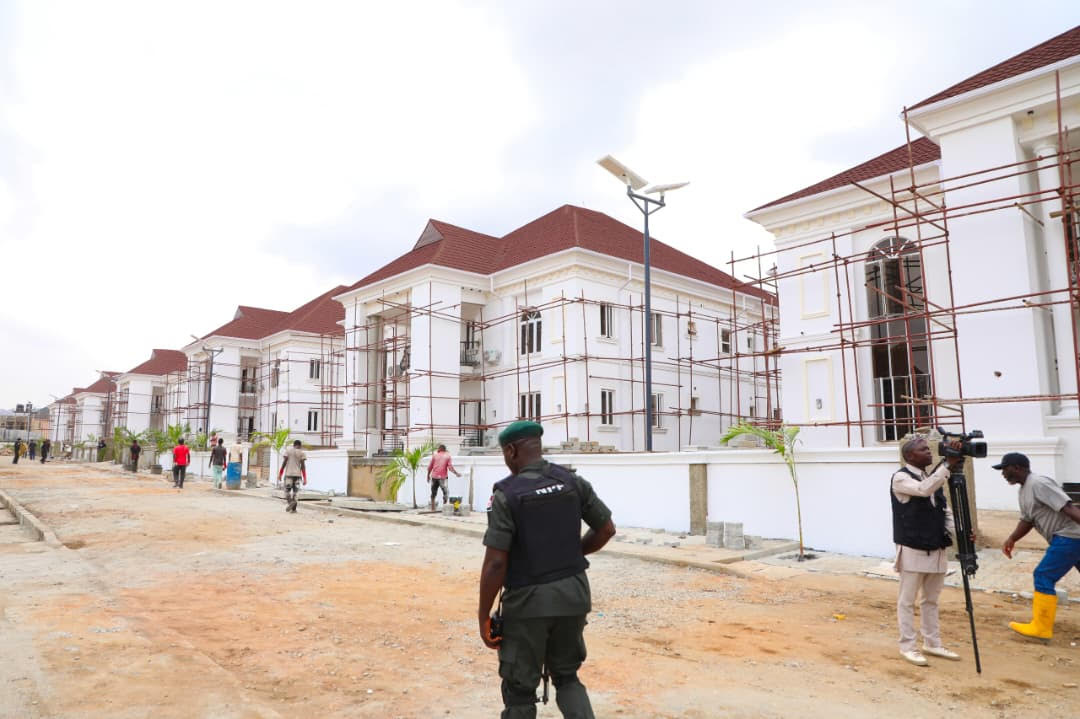
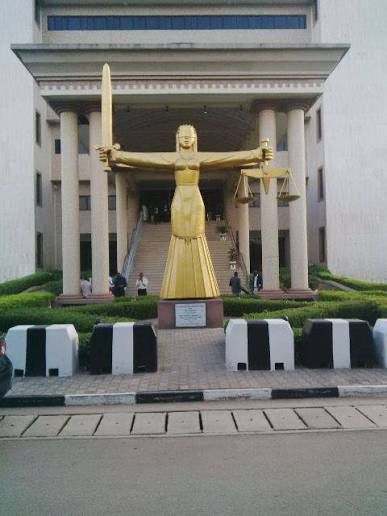
The inspection tour covered critical projects, including the new Court of Appeal complex in Dakibiyu, Judges’ Quarters in Katampe, and residences for heads of courts in Asokoro.
Wike disclosed that the Court of Appeal complex has reached its finishing stage and is expected to be commissioned as part of activities marking the President’s third year in office.

He also confirmed that the Judges’ Quarters—comprising 40 duplexes for the Federal High Court, FCT High Court, and Court of Appeal—will be ready for handover by the end of May.
The Minister further revealed that additional land has been secured in Katampe to accommodate future residential quarters for the National Industrial Court, citing security and planning considerations.
City Gate Remodeling Targets Tourism Boost
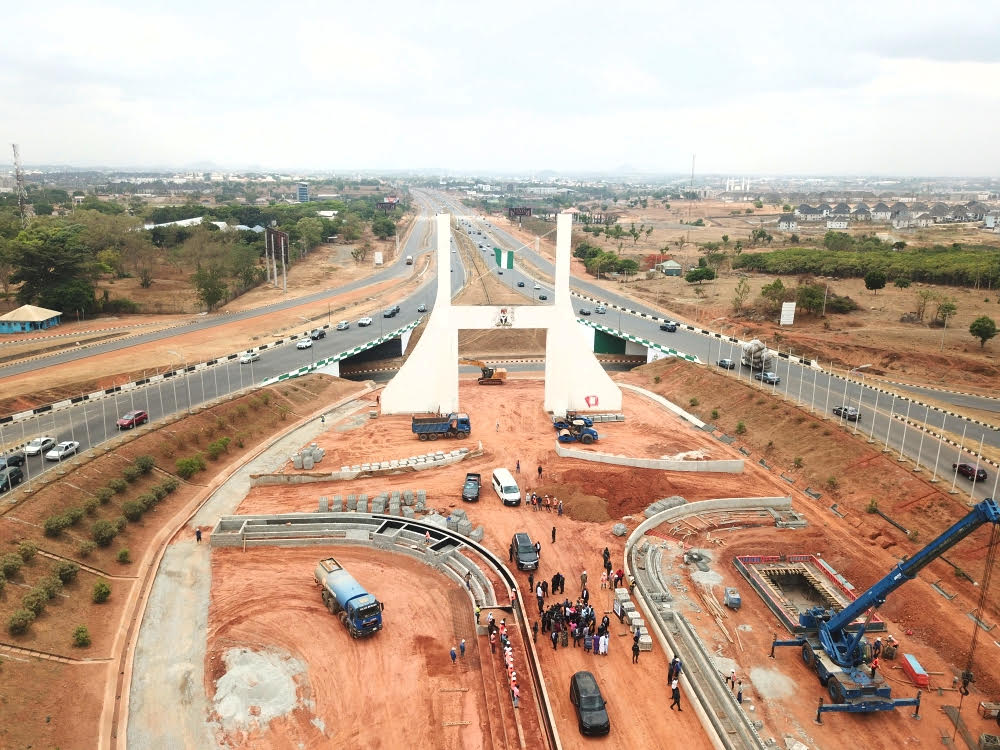
On the Abuja City Gate project, Wike said the redesign was initiated by the First Lady, Senator Oluremi Tinubu, and will feature a symbolic water fountain representing Nigeria’s 36 states and the FCT.
According to him, the project is aimed at enhancing the capital’s visual appeal and positioning it as a tourism landmark.
He added that the remodeled structure is expected to be inaugurated during the anniversary celebrations.
Wike Rejects Allegations of Judicial Influence
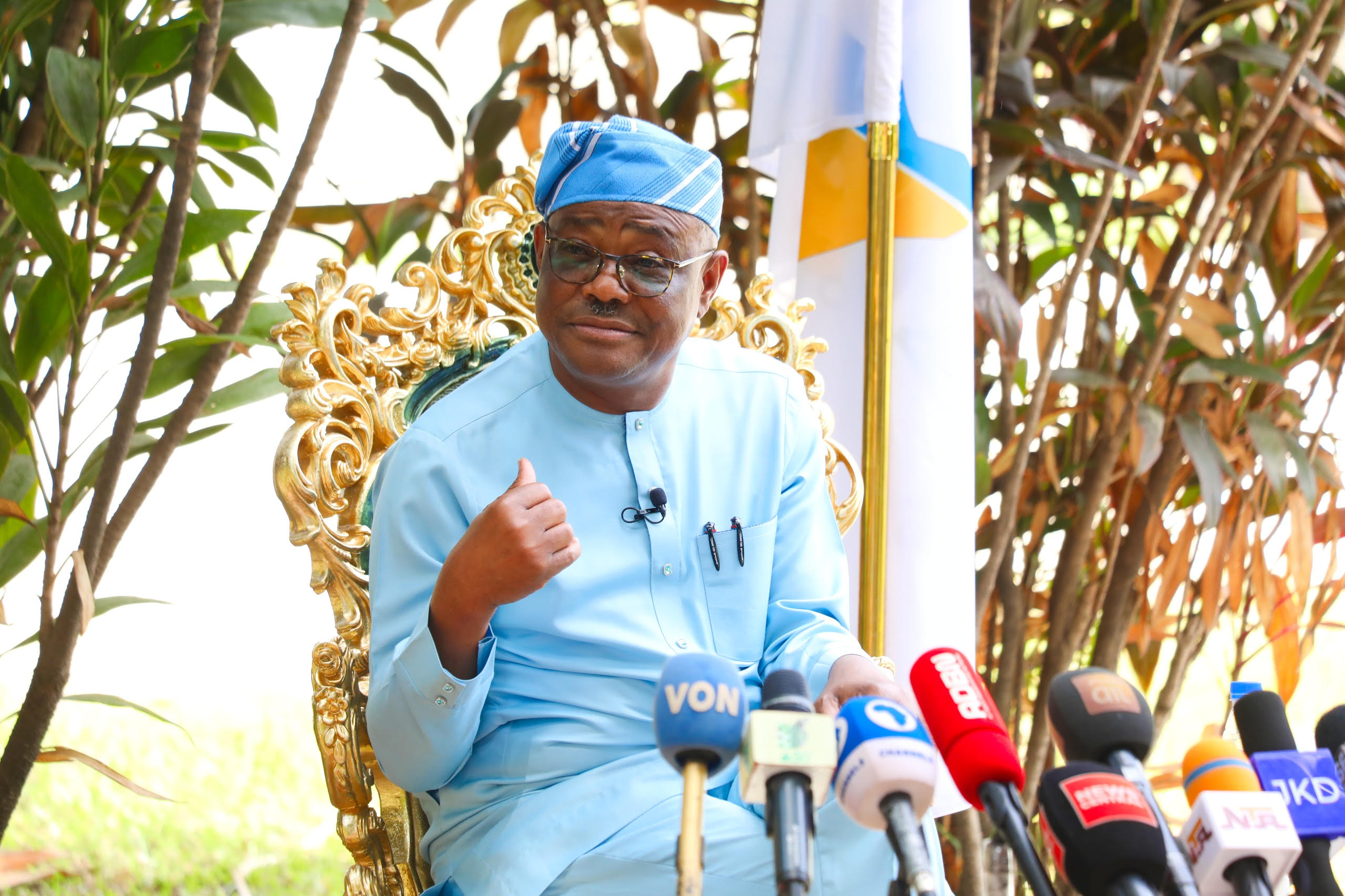
Responding to criticism that the provision of housing for judicial officers could undermine the independence of the judiciary, Wike described the claims as unfounded.
He maintained that the Federal Capital Development Authority (FCDA) has historically been responsible for building infrastructure for all arms of government, including the National Assembly and the Independent National Electoral Commission (INEC).
The Minister argued that the current projects are consistent with established practice and should not be misconstrued as attempts to influence the judiciary.
The development highlights ongoing federal investments in judicial infrastructure while reigniting debate over the boundaries between executive support and judicial independence. How such projects are perceived could shape public trust in institutional autonomy.










Leave a Reply