
Human Rights Commission warns that failure to prosecute electoral offenders is encouraging impunity, weakening public confidence and threatening Nigeria’s democratic stability as the United Nations steps up engagement ahead of the 2027 general elections.
BY A1NEWS INTERNATIONAL
ABUJA, NIGERIA | NOVEMBER 2, 2026
The National Human Rights Commission (NHRC) has expressed concern over what it described as the reluctance of the Nigerian government to prosecute electoral offenders, warning that continued impunity could undermine the credibility of the 2027 general elections and further expose the country’s democratic process to violence and instability.
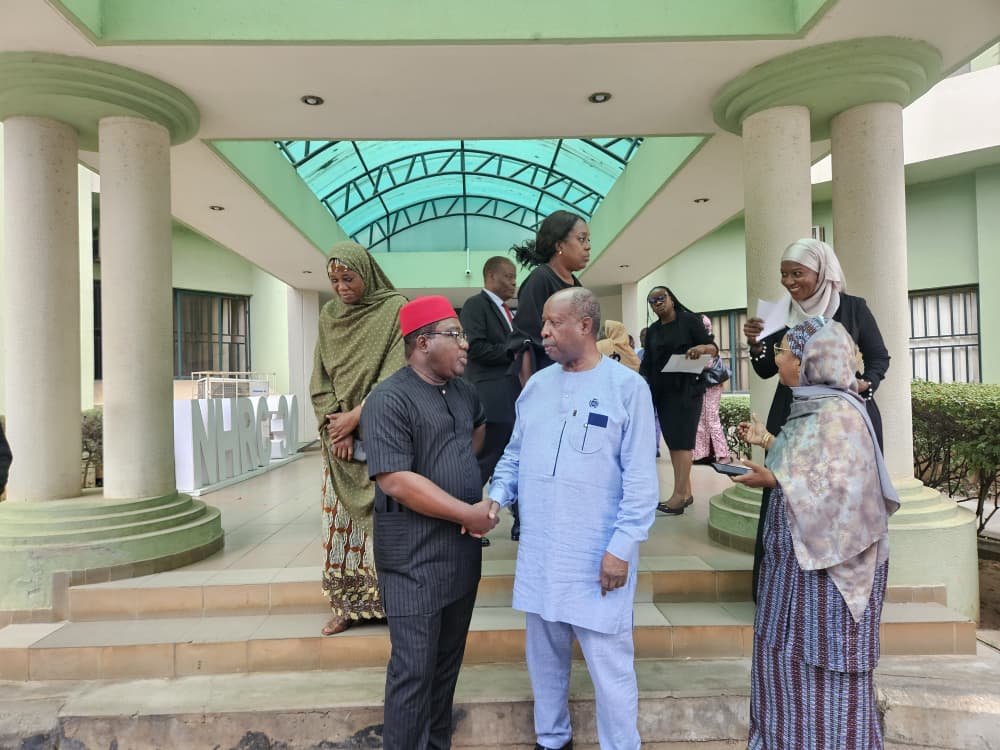
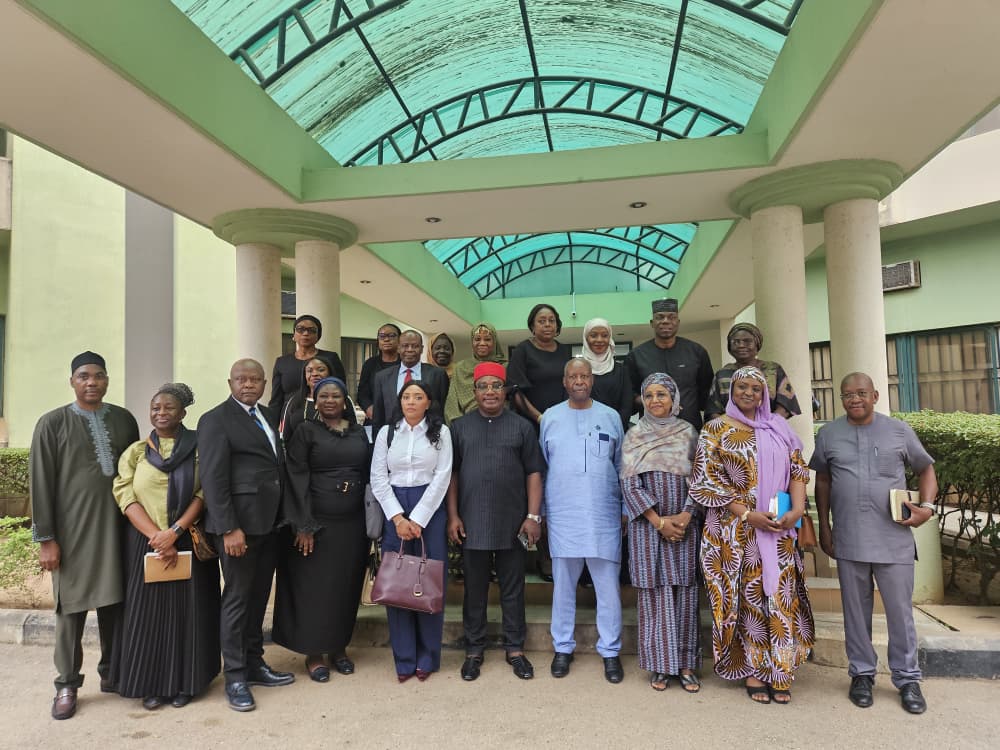
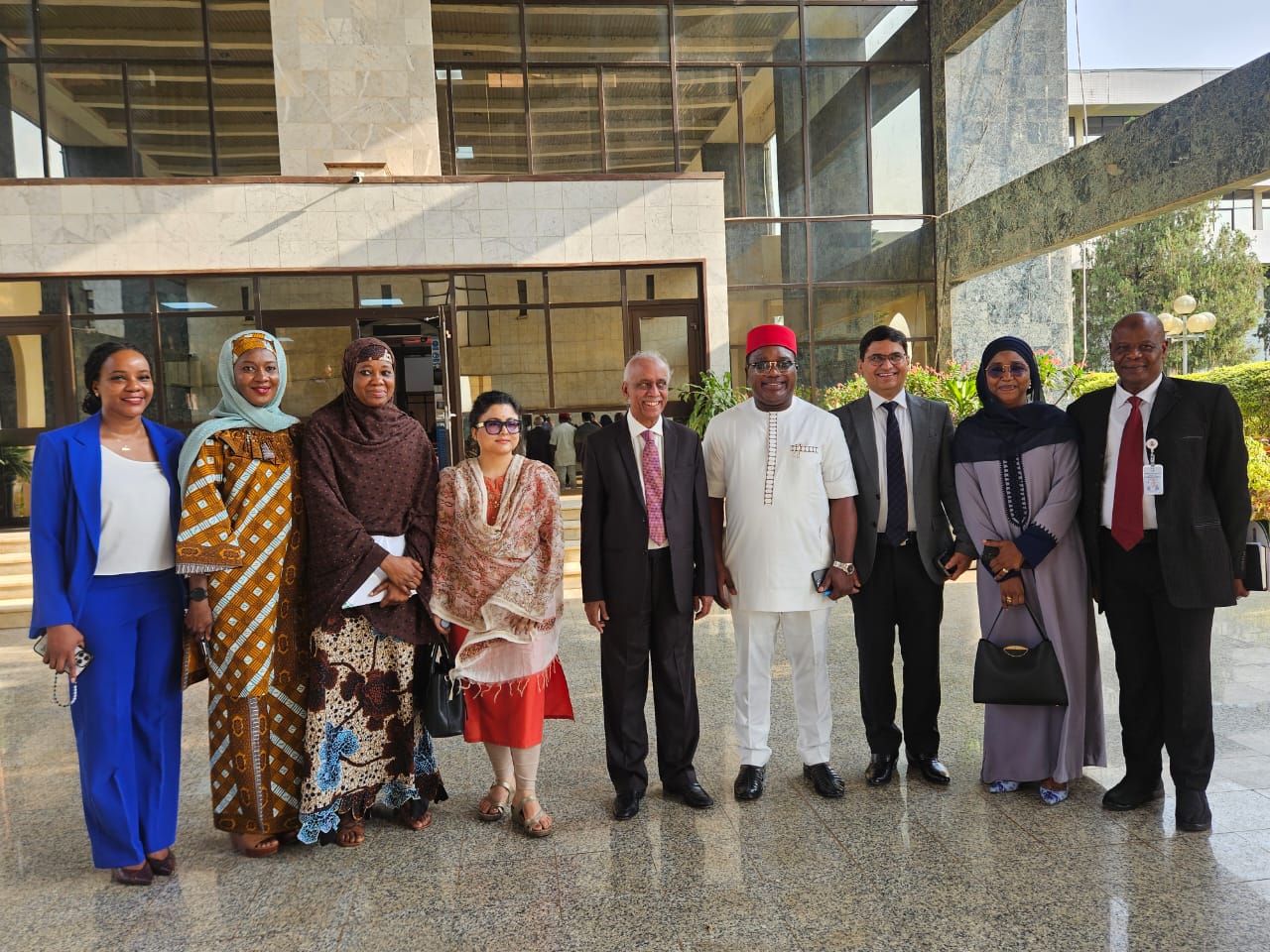
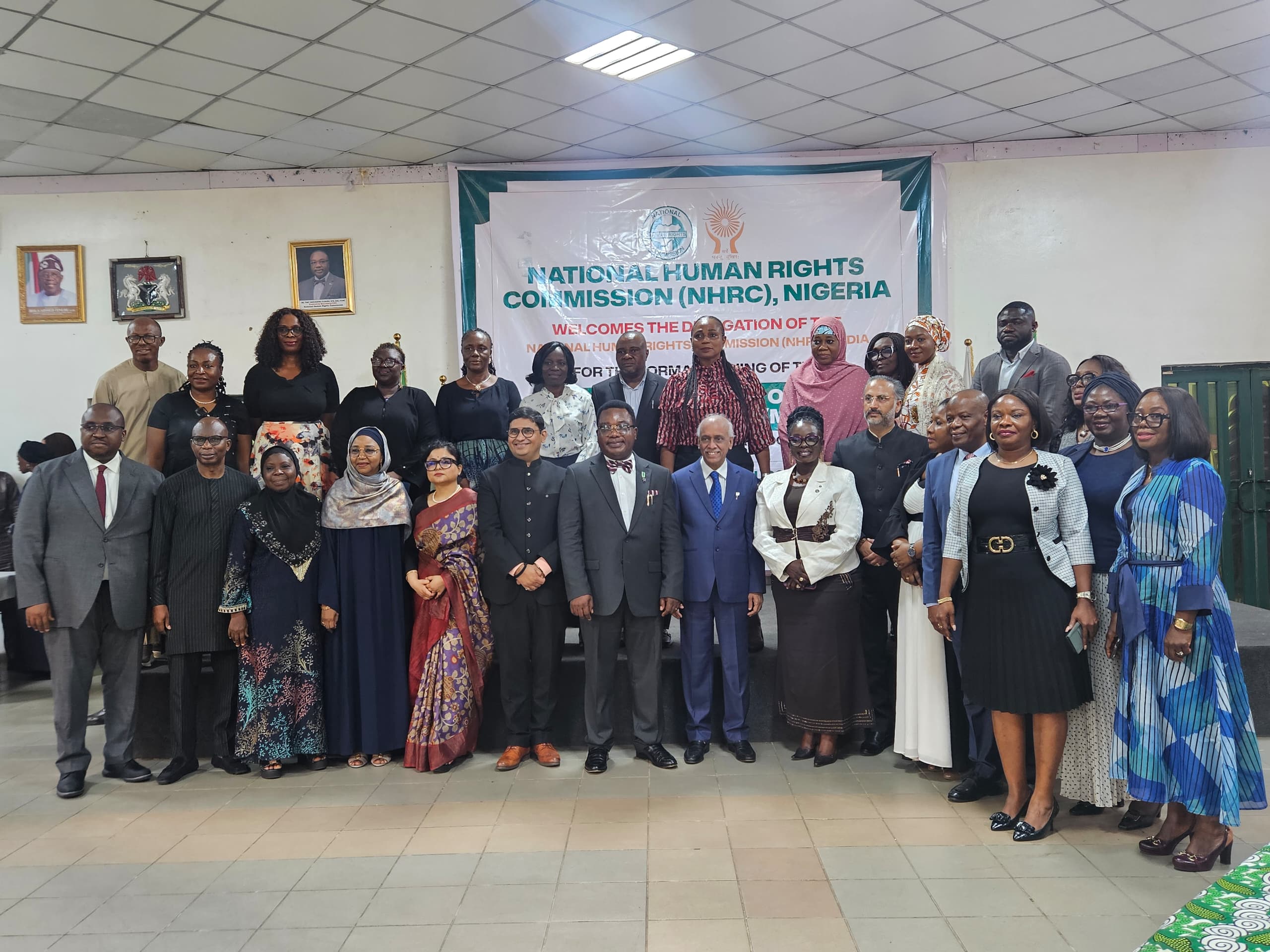
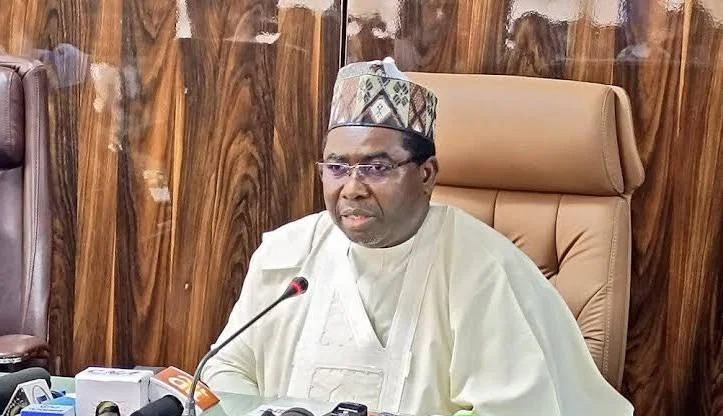
The Executive Secretary of the Commission, Dr Tony Ojukwu, SAN, raised the concern on Monday while receiving a delegation from the United Nations Office for West Africa and the Sahel (UNOWAS), led by the Special Representative of the United Nations Secretary-General for West Africa and the Sahel and Head of UNOWAS, Mr Leonardo Santos Simão.
The meeting focused on Nigeria’s evolving political and security situation, preparations for the 2027 general elections, emerging electoral challenges and opportunities, as well as strategies for promoting peaceful, credible and inclusive elections.
Ojukwu warned that the failure to establish an effective framework for prosecuting electoral offences remains a major gap in Nigeria’s electoral reform process, despite the implementation of several recommendations contained in the Justice Mohammed Uwais Electoral Reform Committee report.
Failure to Prosecute Election Offenders Threatens Democratic Stability — NHRC
Ojukwu lamented that although Nigeria had made progress in implementing several electoral reform recommendations, the establishment of a specialised framework for dealing with election-related offences remained outstanding.
According to him, the failure to address this critical component of electoral reform has continued to create an environment in which individuals involved in electoral malpractice operate without sufficient fear of legal consequences.
He recalled that the recommendations of the Justice Uwais Electoral Reform Committee provided important measures for strengthening Nigeria’s electoral system, many of which had subsequently been implemented.
However, he identified the prosecution of electoral offenders as one of the major outstanding issues requiring urgent government attention.
“Now, there was an electoral reform report, which recommended so many things, which have also been implemented except one.
“That is the establishment of an election offences framework, which is supposed to deal appropriately with any election-related offence.
“Now, why is the government of Nigeria reluctant to establish this? It has complied with all the suggestions on electoral reforms,” he said.
The NHRC boss suggested that political considerations could be contributing to the government’s reluctance to ensure accountability for electoral offences.
He explained that the Commission had observed that many individuals involved in electoral violations allegedly acted on behalf of influential political actors.
According to him, the failure to hold political sponsors accountable for the actions of their agents has continued to encourage electoral impunity.
“We discovered that these people who are committing these election offences are acting on behalf of key politicians.
“So that’s a clear reluctance to be held accountable for the acts of their agents. And this continues to make the environment very fragile.
“As long as people can commit these election-related offences and go scot-free, then anybody can try anything they like because he knows nothing will happen,” Ojukwu stated.
He warned that unless electoral offenders are subjected to appropriate legal consequences, Nigeria could continue to experience violations capable of threatening the peaceful conduct of elections.
NHRC Develops Advisories to Guide Political Actors and Election Observers
Beyond raising concerns about electoral accountability, Ojukwu disclosed that the Commission was developing strategic advisories aimed at guiding political actors and other stakeholders towards responsible conduct before, during and after the 2027 general elections.
He said one of the proposed advisories would focus on the responsibilities of political actors in creating an environment where citizens, political opponents and other stakeholders feel secure and protected.
The initiative, according to him, is intended to promote respect for human rights, discourage political intimidation and strengthen confidence in the electoral process.
Ojukwu also revealed that the Commission was working on another advisory addressing the protection of civic space and the relationship between government, social media influencers and other actors in the public sphere.
The proposed guidelines are expected to provide direction on responsible political engagement, freedom of expression and the protection of citizens’ rights within Nigeria’s increasingly influential digital environment.
He explained that the advisories would also serve as reference materials for election observers, monitors and other stakeholders by identifying potential electoral flashpoints and areas requiring heightened attention.
According to him, early identification of vulnerable areas would enable relevant institutions and stakeholders to take preventive measures before tensions escalate into violence.
The NHRC executive secretary emphasised that the Commission considered such interventions necessary for strengthening preventive human rights protection and ensuring that potential threats to peaceful elections were addressed promptly.
UNOWAS Seeks Stronger Collaboration for Peaceful 2027 Elections
Earlier, the Head of the UNOWAS delegation, Leonardo Santos Simão, congratulated the NHRC on its contributions towards promoting human rights protection and peaceful elections in Nigeria.
He explained that the delegation’s visit was part of broader United Nations engagements with Nigerian institutions and stakeholders to assess the country’s level of preparedness for the forthcoming electoral process.
Simão noted that elections often represent challenging periods for countries, particularly where political competition, security concerns and social tensions intersect.
He said one of his responsibilities as the UN Secretary-General’s Special Representative for West Africa and the Sahel was to support efforts aimed at maintaining peace and stability, especially during politically sensitive periods.
According to him, electoral competition must be conducted within the boundaries of the law, with adequate protection for human life and deliberate efforts to prevent violence.
“Elections are always a challenging moment in all countries.
“And therefore, one of my responsibilities is to assist and help to maintain peace and stability, particularly when some challenging moments arise.
“And it is important to make sure that this competition occurs within the limits of the law, within the limits of the preservation of human life, and particularly the prevention of violence,” he said.
The UN representative observed that West Africa and the Sahel continued to face significant security challenges arising from terrorism, violent extremism and other threats to regional stability.
Against this backdrop, he stressed the importance of cooperation among governments, national institutions, civil society organisations and international partners to ensure that elections remain peaceful and reflect the genuine choices of citizens.
Simão maintained that democratic elections should provide citizens with the opportunity to freely choose their leaders at different levels of government without exposing them to intimidation, violence or other forms of insecurity.
UN Reaffirms Support for Nigeria’s Democratic Institutions
The UNOWAS chief explained that the delegation was engaging with different Nigerian institutions to understand their level of preparedness, identify emerging concerns and assess measures being introduced to guarantee peaceful elections.
He said the United Nations was particularly interested in understanding the challenges confronting relevant institutions and determining areas where international support and collaboration could strengthen the electoral process.
According to him, Nigeria occupies an important position within the United Nations system, making its democratic stability significant not only to the country but also to the wider West African region.
He emphasised that the UN remained committed to supporting initiatives that would promote peaceful political competition, protect citizens’ rights and prevent electoral violence.
“In a nutshell, that is the reason for our visit. It is to work with different institutions, different stakeholders, and to learn from them how their institutions are being prepared for this upcoming period.
“What are the concerns and which measures are being put in place to make sure that the elections will happen in a smooth way?
“And our role as the United Nations, and Nigeria is an important member of the United Nations, is to assist when necessary to reach the objective that the elections take place in a serene, peaceful atmosphere,” he said.
Simão further acknowledged the strategic importance of the NHRC in promoting peace and ensuring that the fundamental rights of Nigerians are protected throughout the electoral process.
CONCLUSION: ACCOUNTABILITY KEY TO CREDIBLE 2027 POLLS
The concerns raised by the NHRC underscore the importance of addressing longstanding weaknesses in Nigeria’s electoral justice system as preparations intensify for the 2027 general elections.
While electoral reforms, institutional collaboration and security preparations remain essential, the Commission’s position suggests that sustainable democratic progress will be difficult to achieve without a credible mechanism for investigating and prosecuting electoral offences.
The warning also highlights the need for political leaders to take responsibility for the conduct of their supporters and agents, particularly where their actions threaten citizens’ safety and the integrity of the electoral process.
As the United Nations deepens consultations with Nigerian institutions, the effectiveness of these engagements may depend largely on the willingness of government and political stakeholders to translate commitments into concrete actions.
Ultimately, ensuring that electoral offenders are held accountable, protecting civic space and guaranteeing the safety of voters and political participants will be critical to building public confidence and securing peaceful, credible and inclusive elections in 2027.


Leave a Reply